Vase and Bullet:
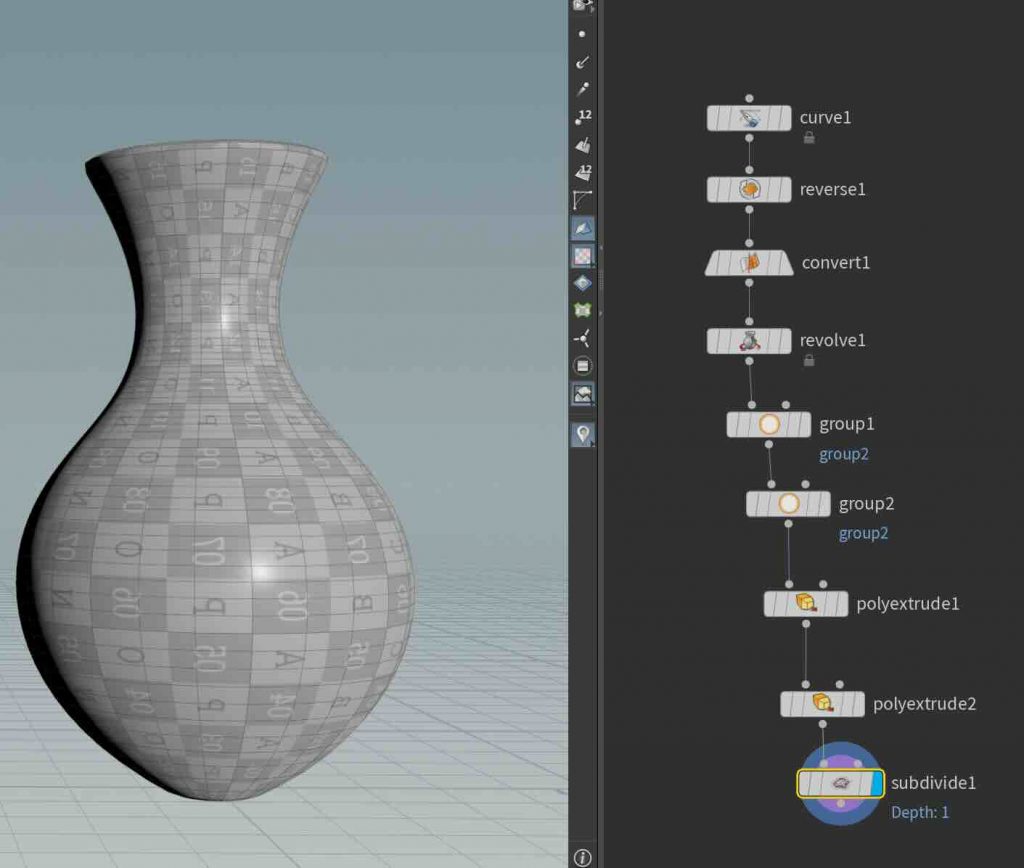
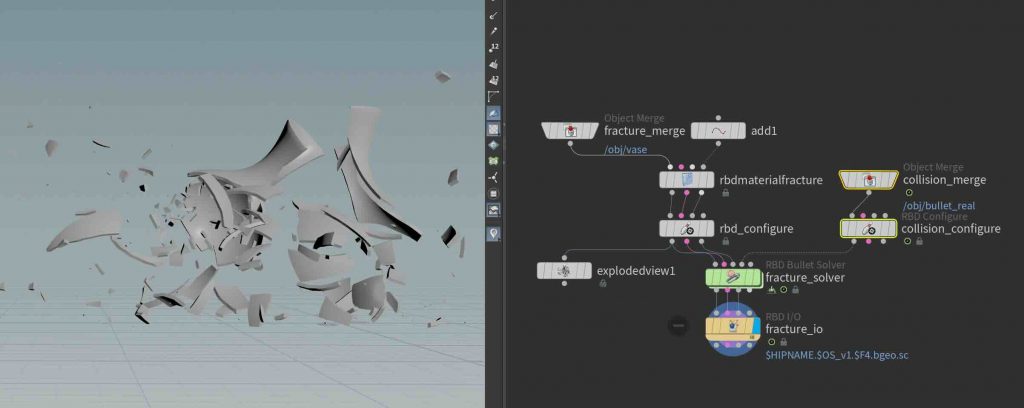
In our first class using Houdini, we were introduced to both basic modeling and simple simulation. We started by creating a vase, learning how to shape it and adjust its form step by step using a procedural workflow.
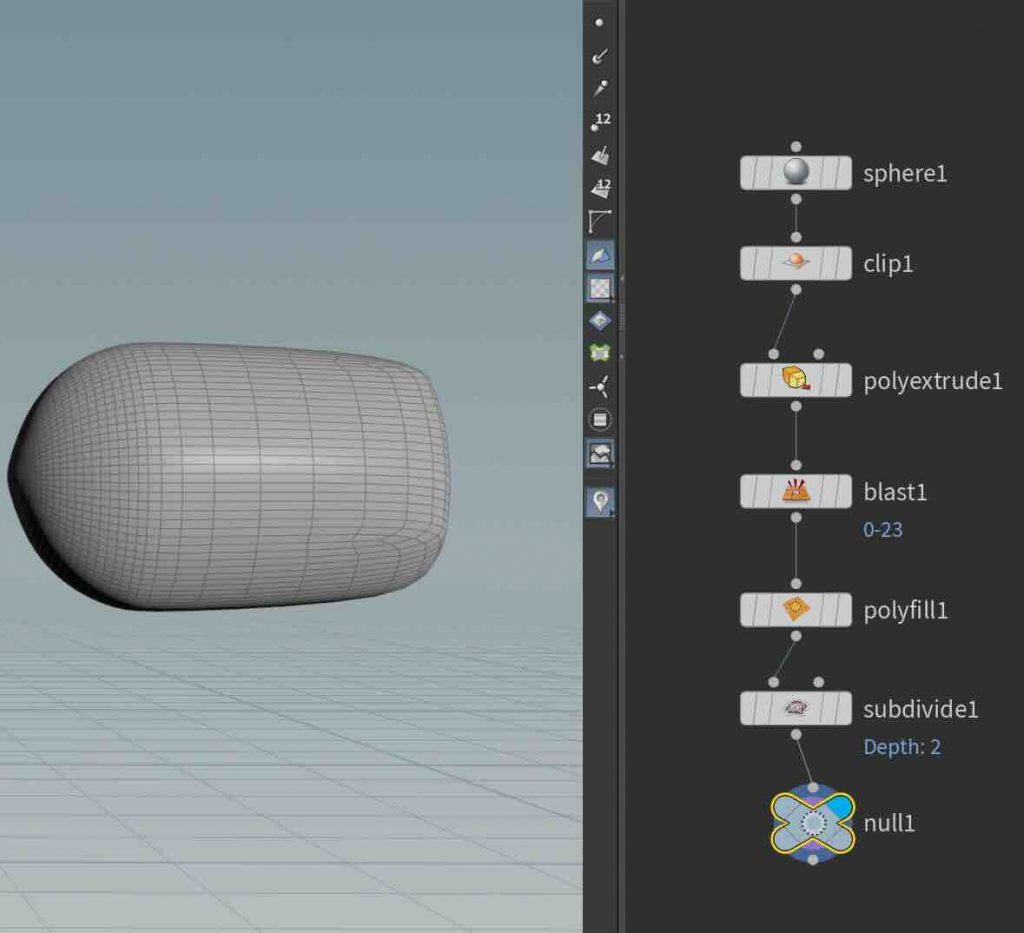
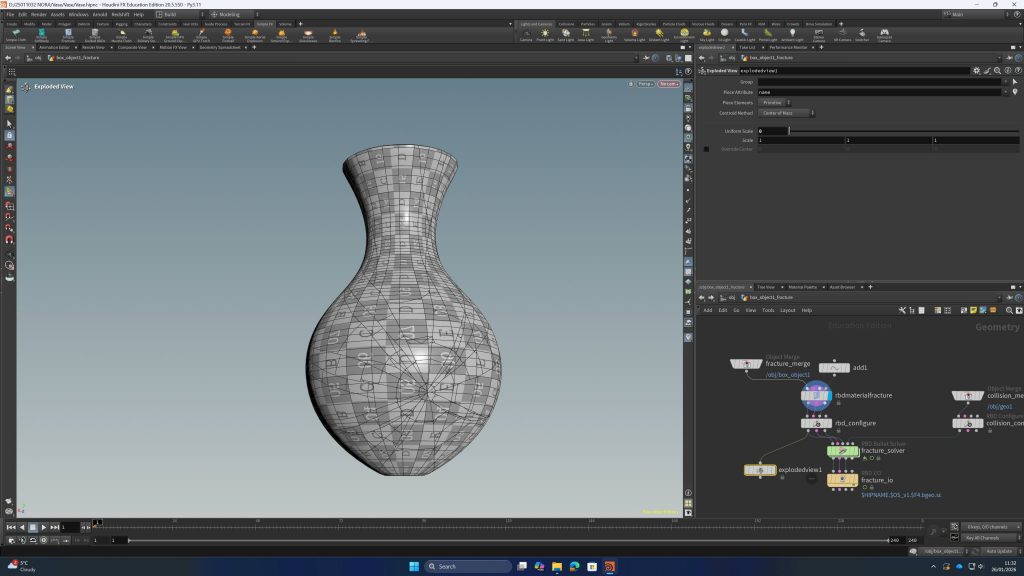
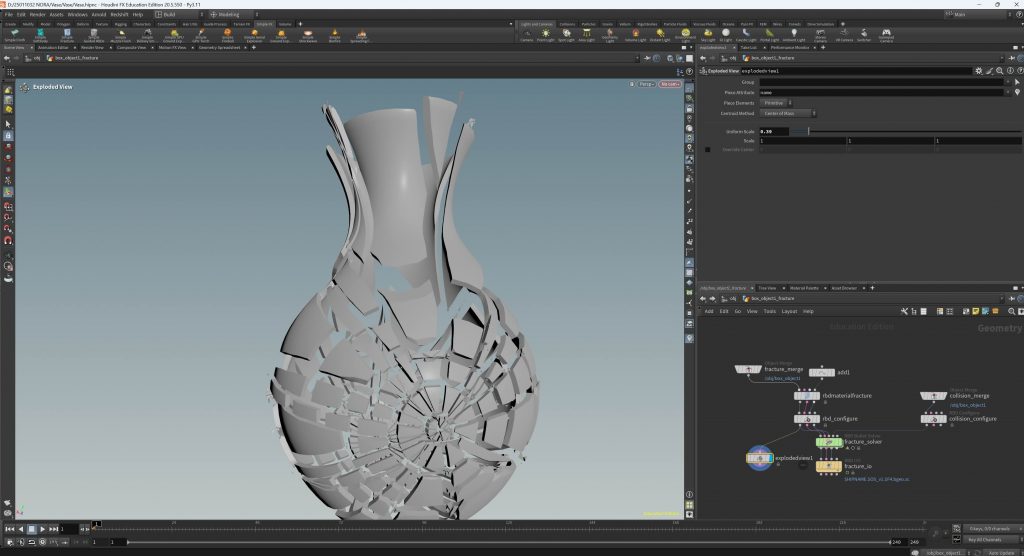
After that, we turned the vase into part of a small scene where a bullet collides with it. On impact, the vase breaks apart and explodes into pieces, giving us a first look at how destruction effects work. It was interesting to see how something we modeled ourselves could quickly become part of a dynamic, animated moment.
This first exercise gave a glimpse into how Houdini combines modeling and simulation, making it possible to create both objects and the effects that act on them.
Wall and Ball:
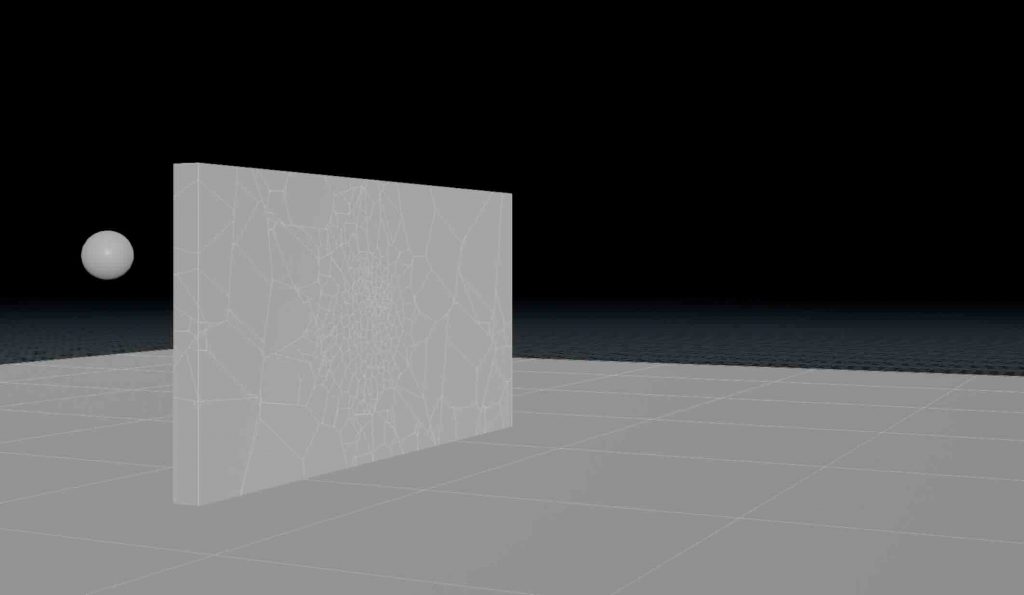
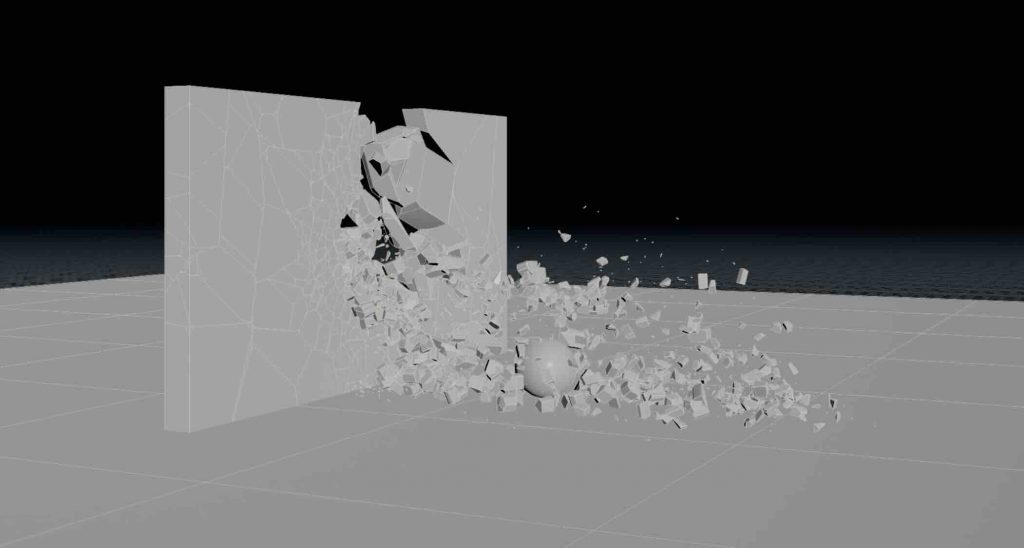
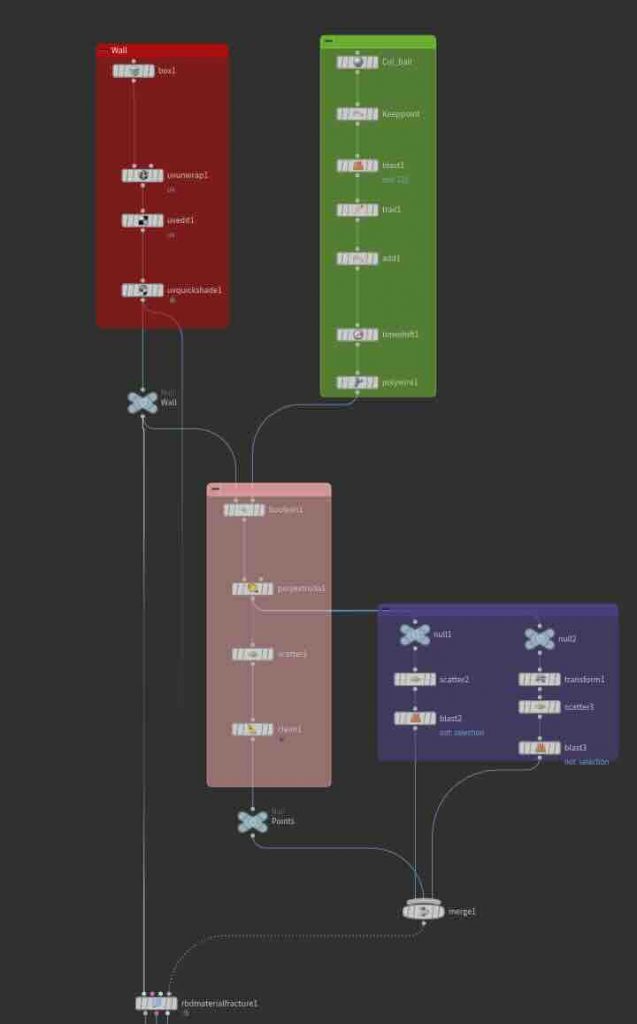
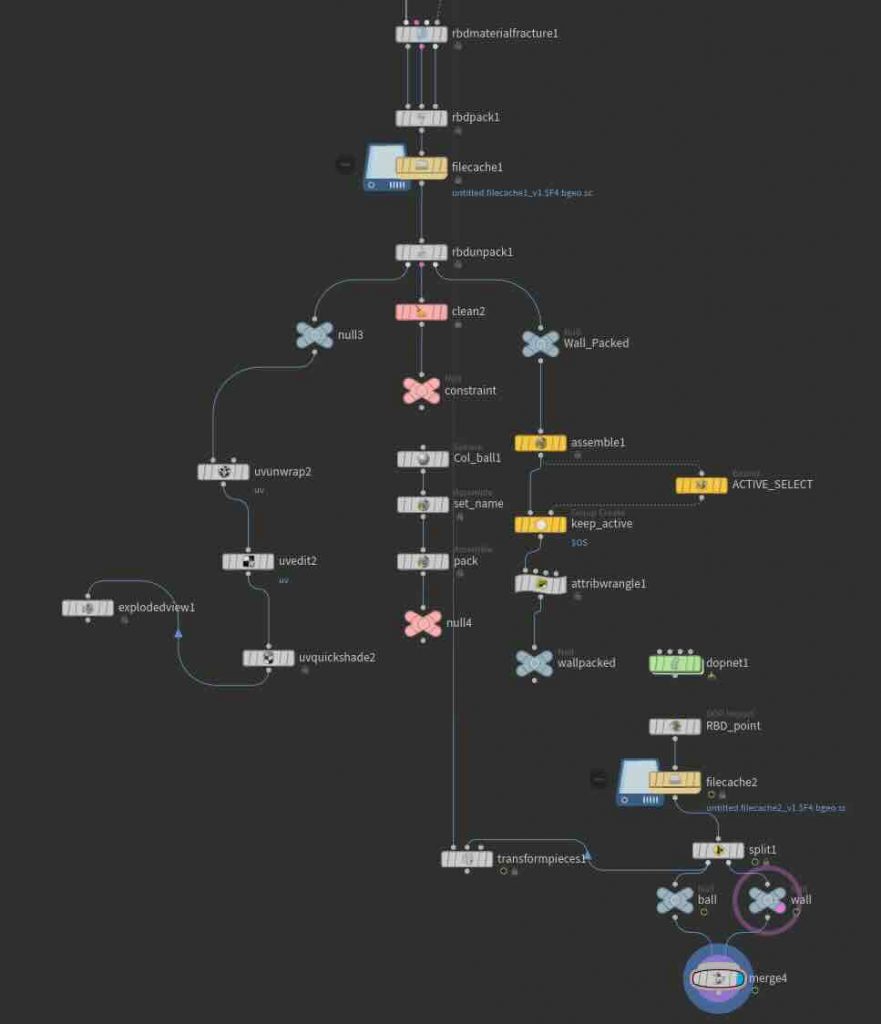
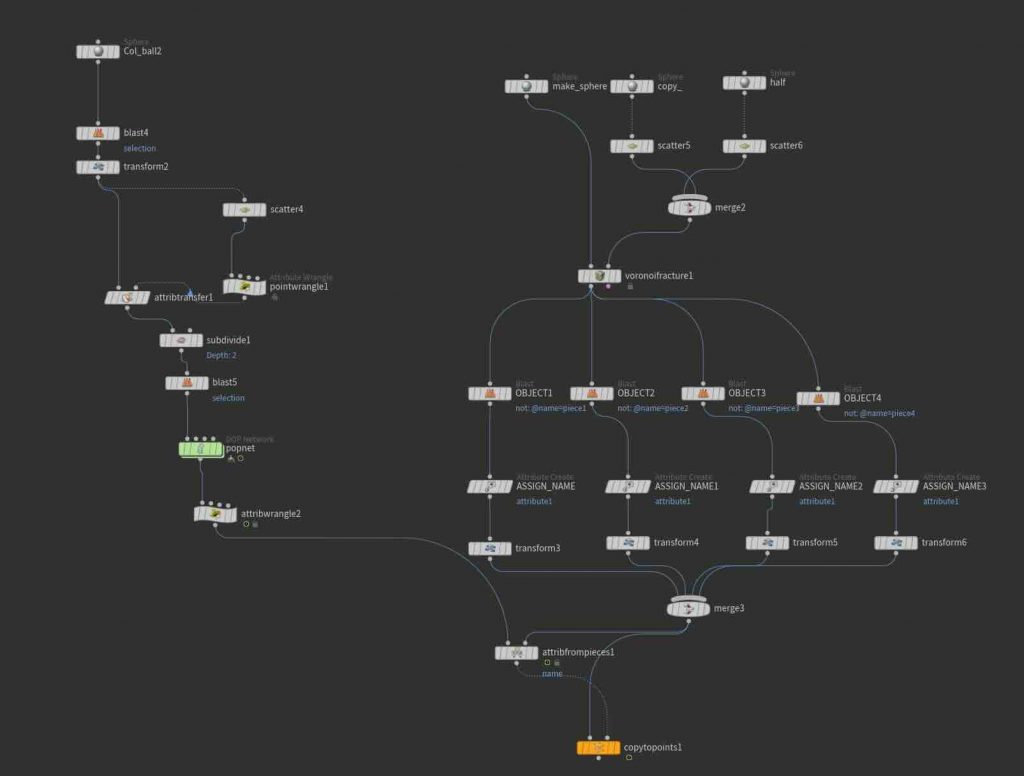
In our second class using Houdini, we worked on a destruction simulation where a ball crashes into a wall and breaks it apart. We created the wall, set up the collision, and simulated the impact so the wall would shatter into pieces when the ball hit it.
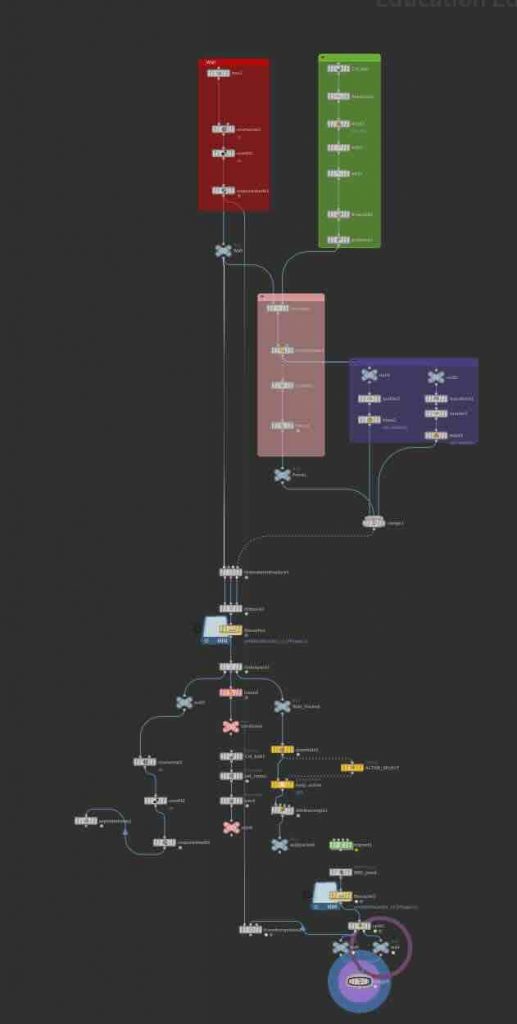
The process was challenging because Houdini has a very technical and complex workflow, especially for someone using it for the first time. A lot of the work involved understanding different nodes, simulation settings, and how physics-based effects interact inside the software. Even though it was difficult to follow at times, the final result showed how detailed and realistic destruction effects can be created through simulation.
Grass and Cube:
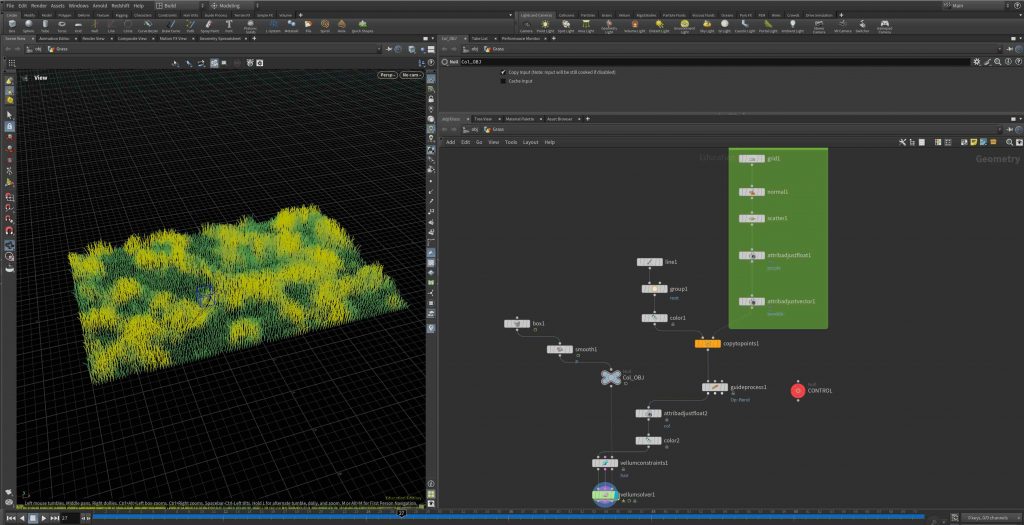
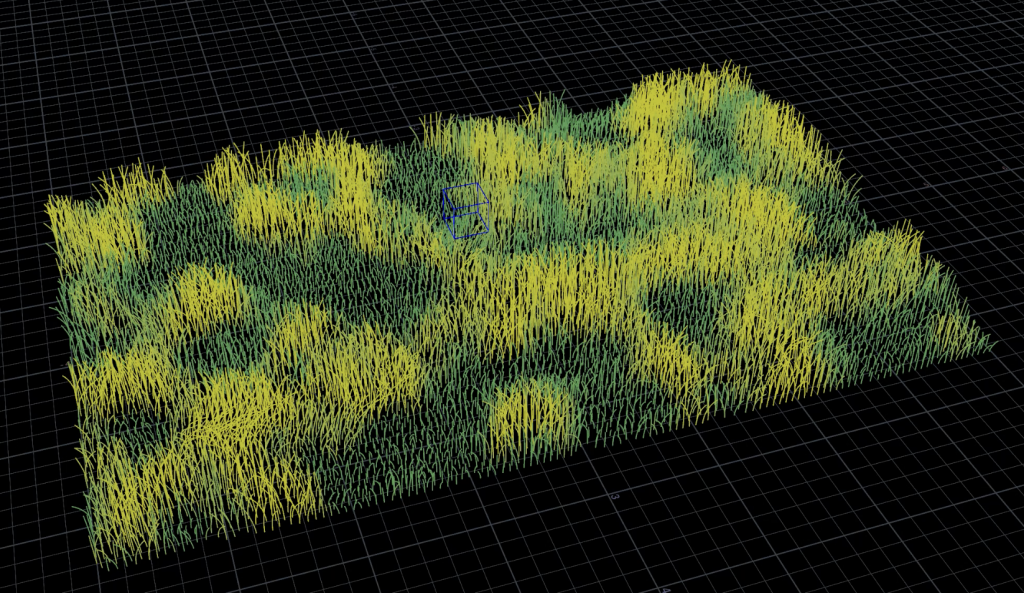
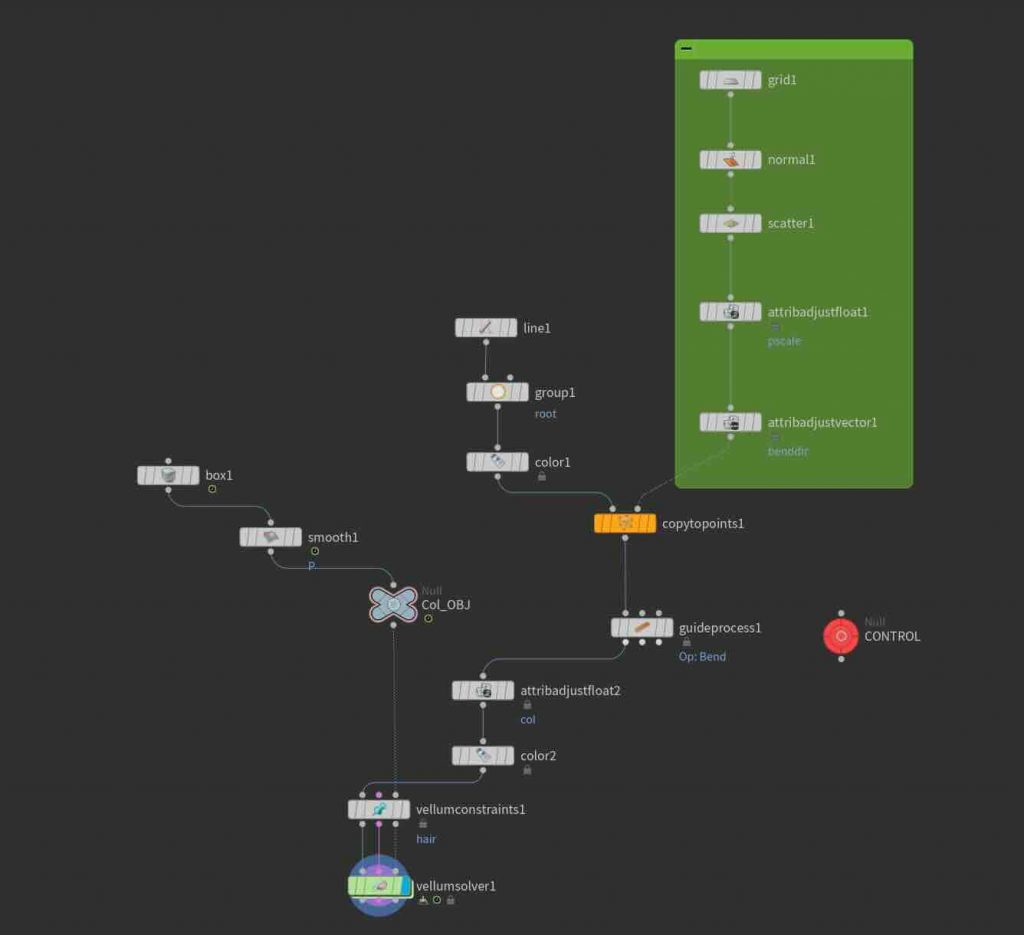
In our second class using Houdini, we worked on a destruction simulation where a ball crashes into a wall and breaks it apart. We created the wall, set up the collision, and simulated the impact so the wall would shatter into pieces when the ball hit it.
The process was challenging because Houdini has a very technical and complex workflow, especially for someone using it for the first time. A lot of the work involved understanding different nodes, simulation settings, and how physics-based effects interact inside the software. Even though it was difficult to follow at times, the final result showed how detailed and realistic destruction effects can be created through simulation.
Leave a Reply