Inspiration:
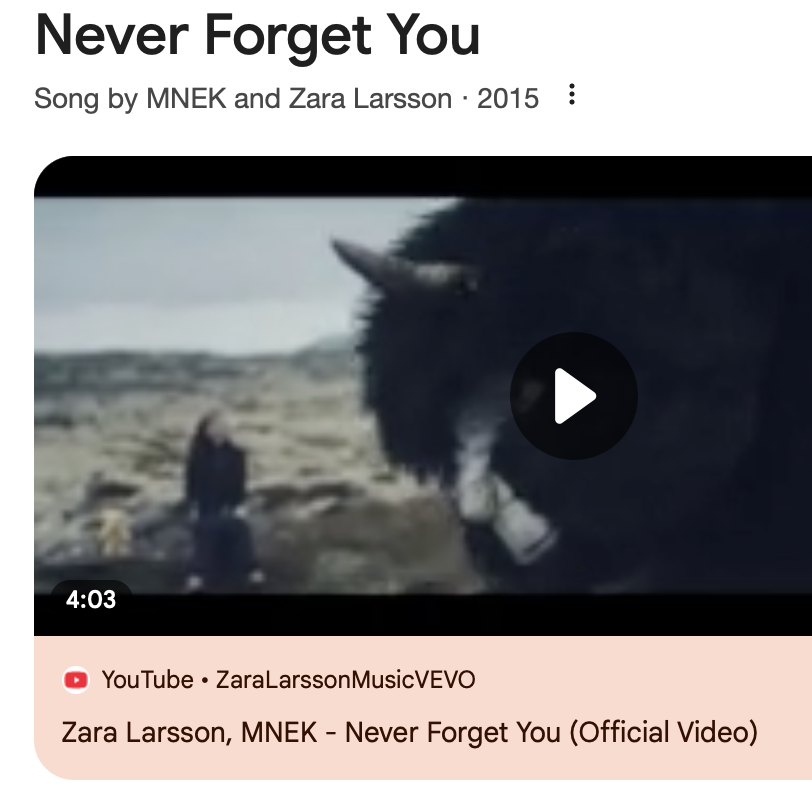
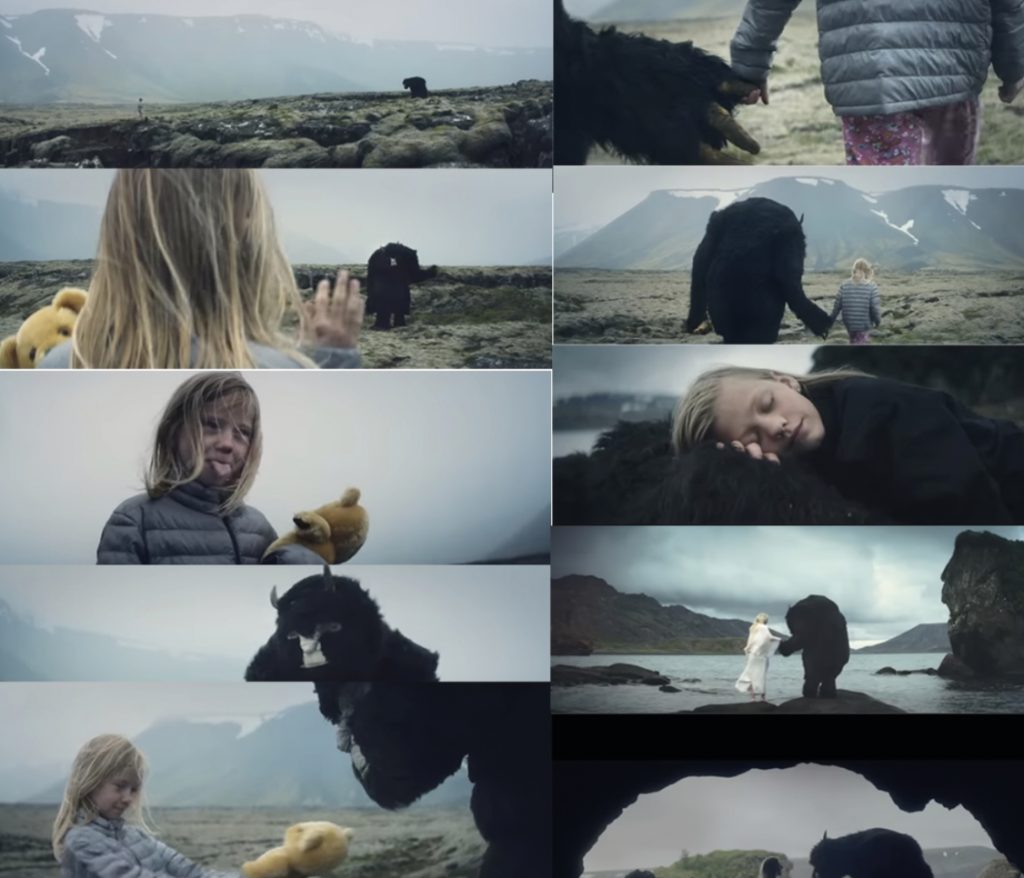
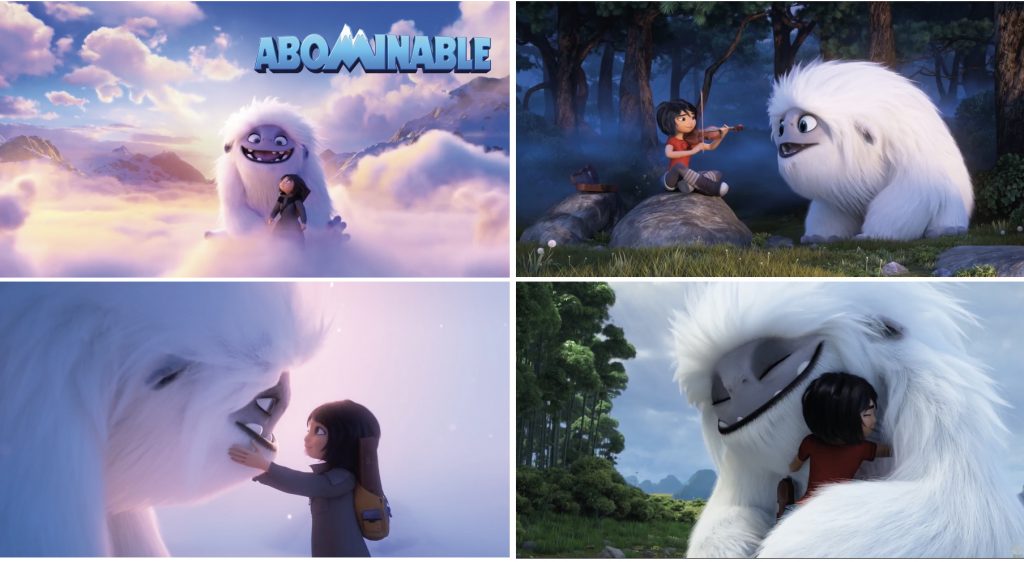
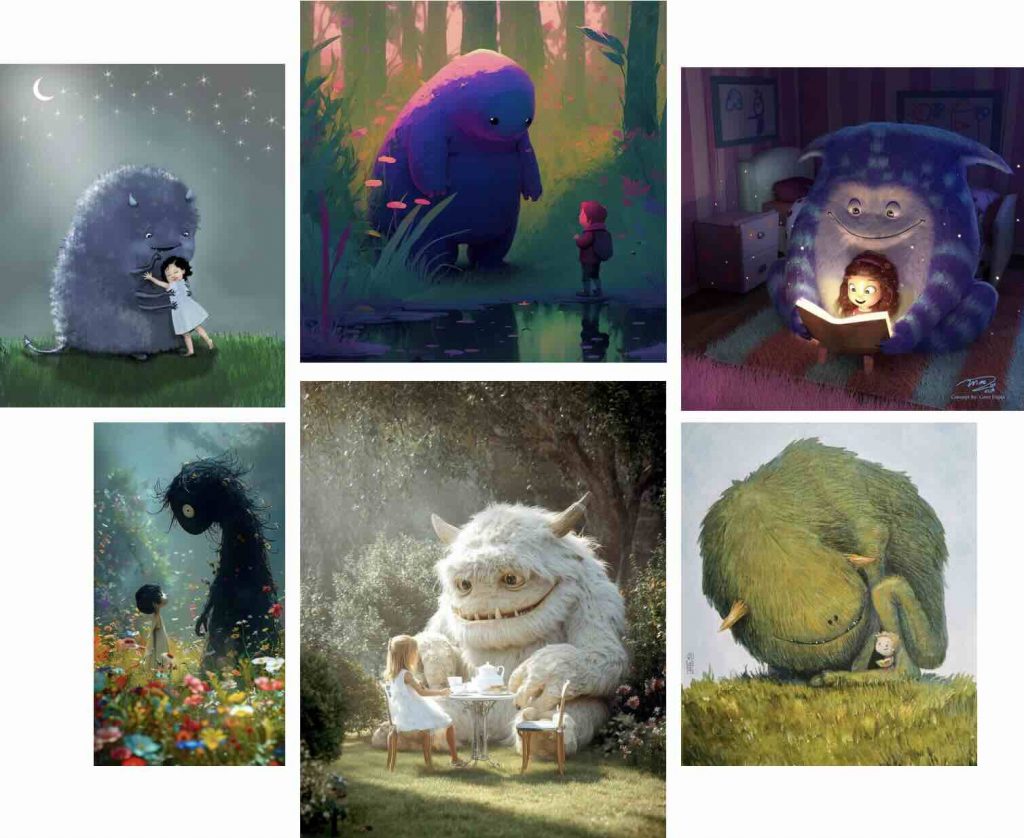
For my exploratory individual project, I began by researching visual references and narrative ideas that focused on the relationship between humans and creatures. I was particularly inspired by a music video by Zara Larsson that explored the connection between a girl and a monster as they gradually became friends. I was also heavily influenced by the animated film Abominable, which tells the story of a friendship between a young girl and a yeti. The emotional connection between the characters and the visual style of the film strongly inspired the direction of my project.
Visual Research:
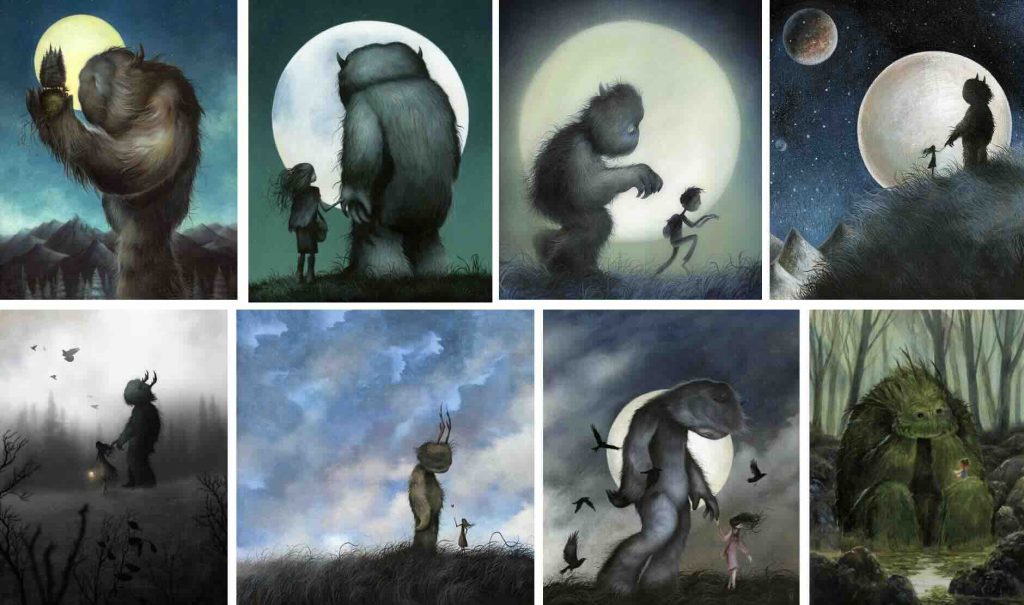
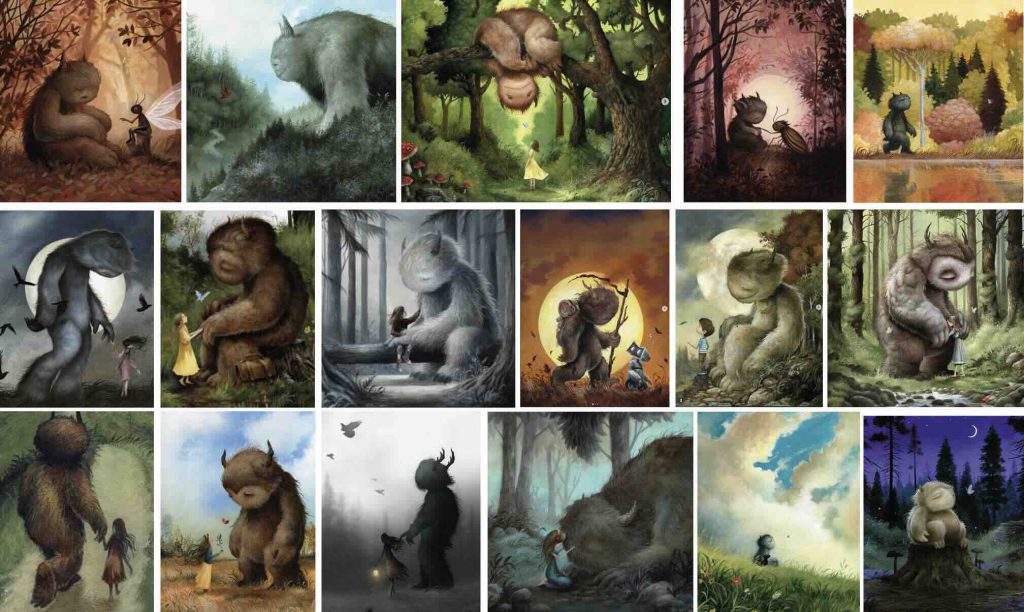
To develop my ideas further, I researched references on platforms such as Pinterest and Instagram, focusing on creature designs, fantasy environments, and the relationship between monsters and their human companions. During this research process, I discovered an Instagram artist whose work particularly inspired me visually and helped influence the atmosphere and aesthetic direction of the project.
Concept Art:
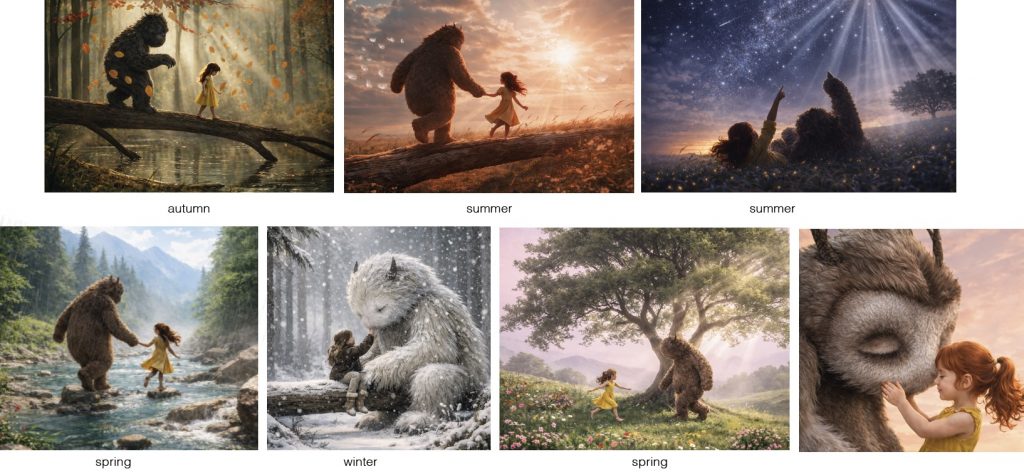
After researching monster imagery and creature–human relationships, I began generating AI images to help develop the visual direction of the project. Instead of creating traditional sketches, I used AI-generated imagery to build a storyboard showing interactions between a young girl and a monster. This process helped me visualise the environments, colour palettes, lighting, and overall mood much more clearly. Using AI-generated concepts allowed me to quickly experiment with atmosphere and composition before deciding on a final storyboard direction.
Final Storyboard:
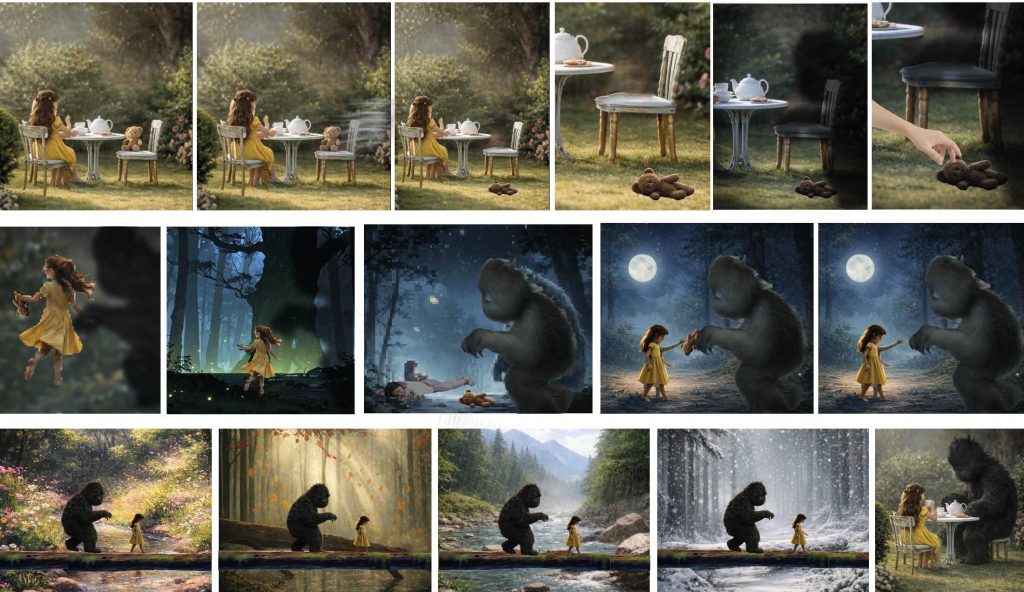
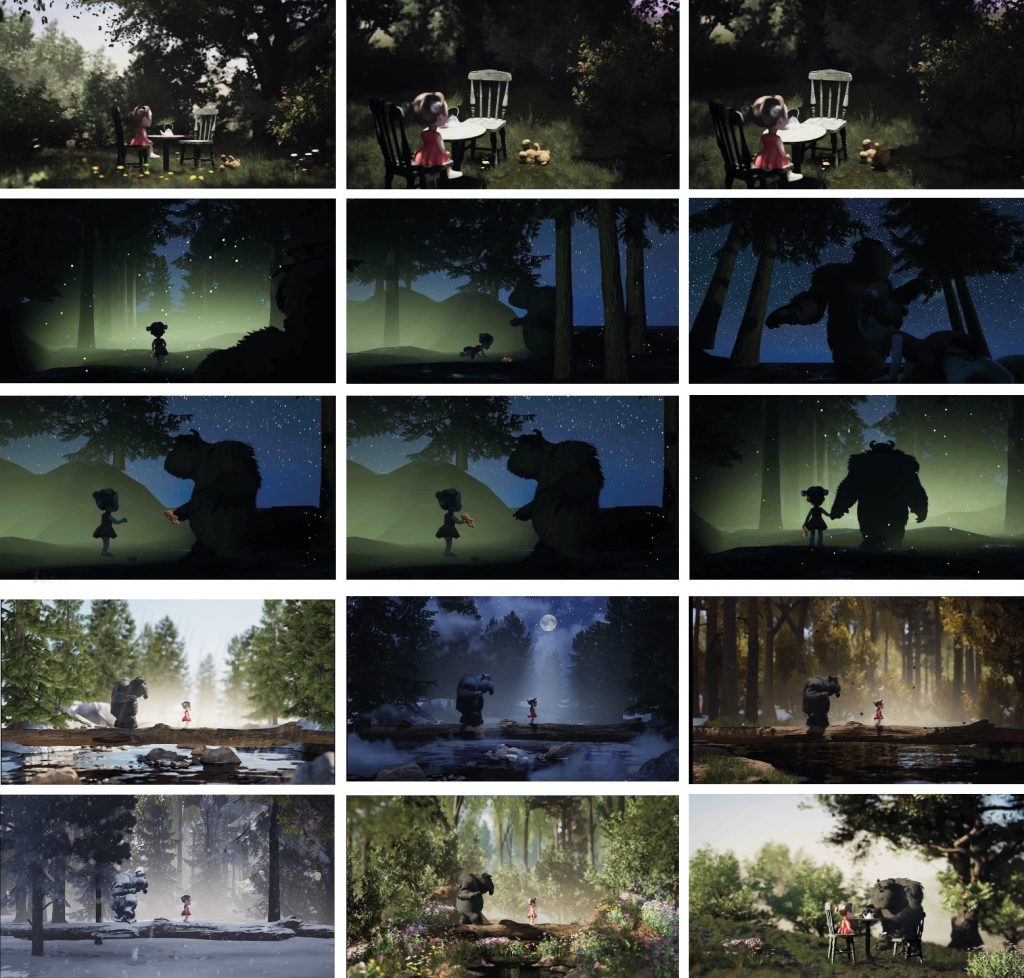
The final storyboard: a young girl is having tea in her garden with her teddy bear when the teddy bear falls to the ground. A large shadow appears, and the girl quickly reaches out to rescue the teddy bear before running away in fear. She runs into the woods, becoming increasingly panicked until she trips and falls. Believing the monster is going to hurt her, she instead discovers that the creature gently picks up her teddy bear and returns it to her. The storyboard then transitions into a sequence showing their friendship developing over time as the seasons change around them, highlighting the passage of time and the growing bond between the girl and the monster. The story ends by returning to the opening scene of the girl having tea in the garden, but this time the monster is sitting beside her, replacing the teddy bear and showing how their friendship has fully developed.
Environment Design:
Once the storyboard was established, I moved into environment development in Unreal Engine. I created five different environments using Megascans assets and additional 3D models to explore possible locations and moods for the story.
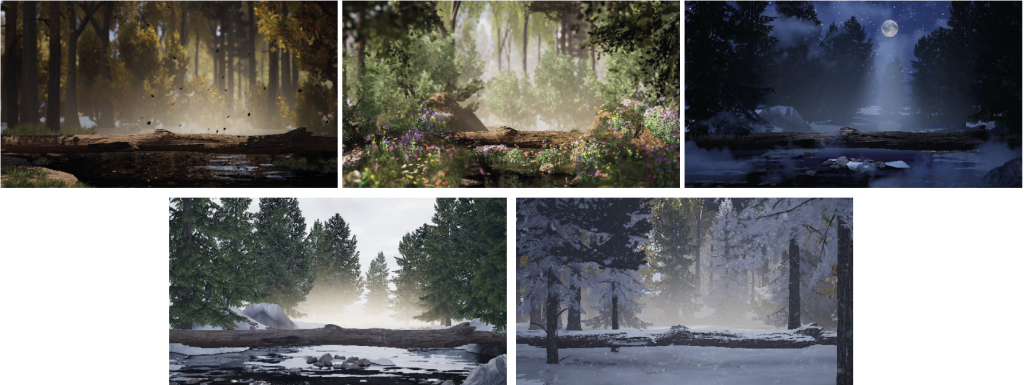
Testing Scale and Composition:
To test scale and composition within these environments, I temporarily placed a creature model asset (Sulley from monster’s Inc) alongside a young girl character. This helped me understand how the characters would occupy the space and interact visually within the scenes. However, the final intention is to design and model my own original monster character rather than using an existing asset.

Lion King Inspiration:
A major inspiration for the storytelling and transitions came from The Lion King, particularly the sequence showing Simba growing up while walking across the landscape. I was inspired by the emotional progression and smooth visual transitions used in that scene, and I wanted to create a similar feeling of growth and passage of time within my own project.

Testing Transitions:
To test how these transitions would work, I created a rough animatic sequence and added sound design to explore the pacing, atmosphere, and emotional flow between scenes. This helped me understand how the visuals and audio could work together to strengthen the storytelling.
3D Storyboard:
I then began building rough 3D versions of the opening scene and forest environment. These early models were not intended to be final designs, but instead acted as visual prototypes to help shape the story structure, camera angles, and environmental layout before moving into more detailed environment building.
Green Screen Shoot:
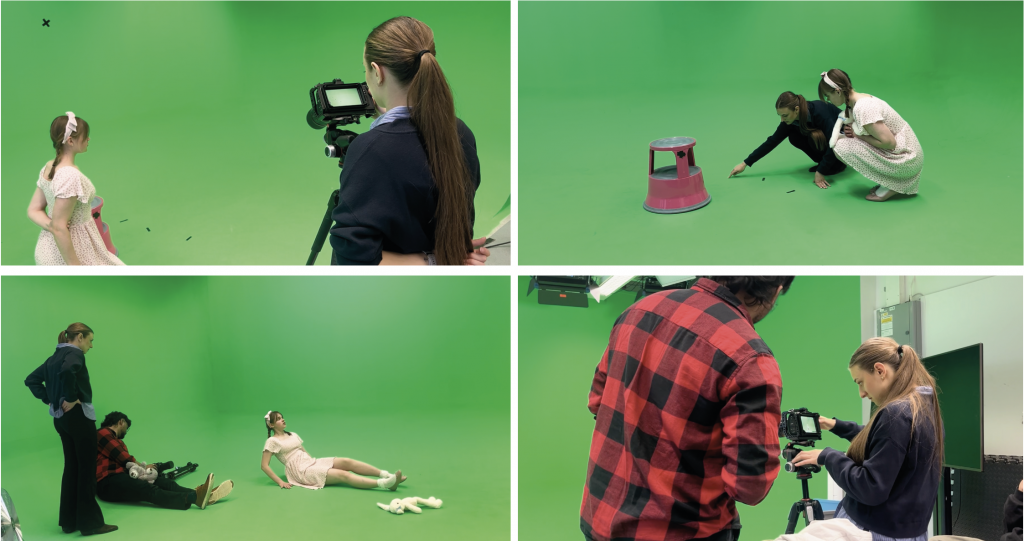
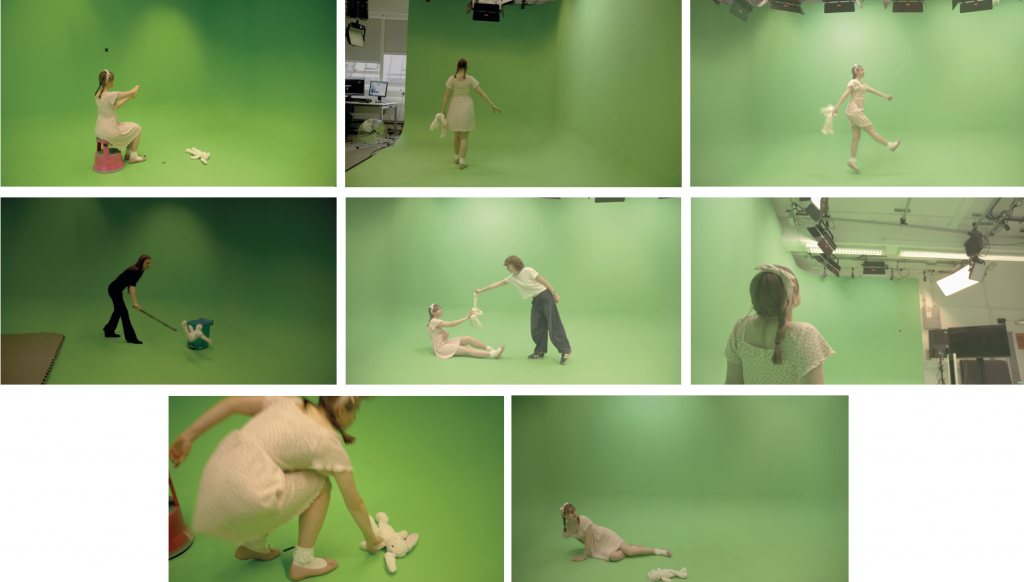
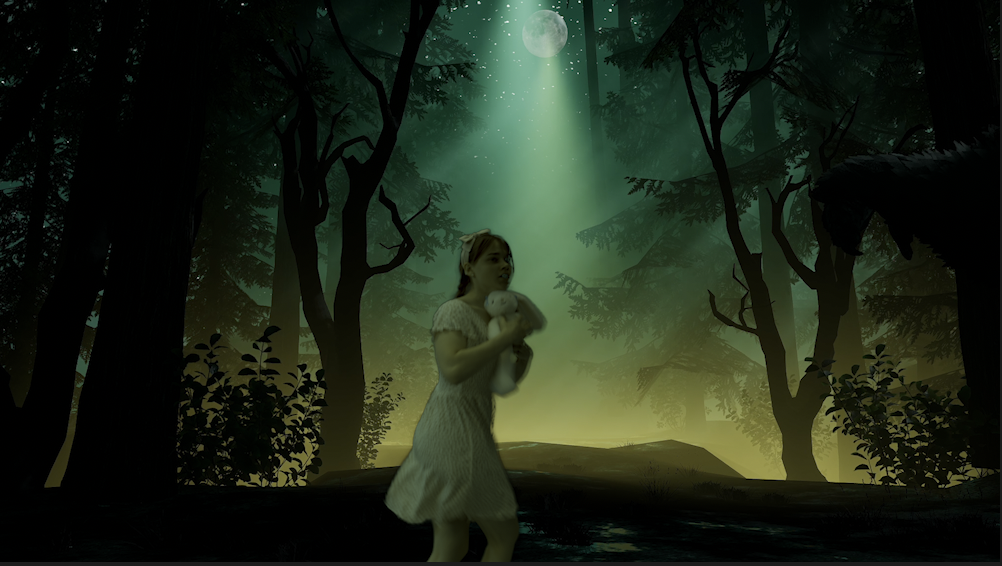
The live-action footage for this project was filmed in a green screen studio, allowing me to place the actress into the CGI environments during compositing. I planned and filmed a variety of movements and interactions that would later correspond with elements in the digital environment, including walking, sitting, running and interacting with the monster.
During the shoot, I worked with the actress to capture multiple takes and different camera angles so I had enough flexibility when assembling the final sequence. Because the environments did not physically exist during filming, we used simple objects and positioning as references to help establish where the CGI elements would eventually appear and make the interactions feel more believable.
Compositing:
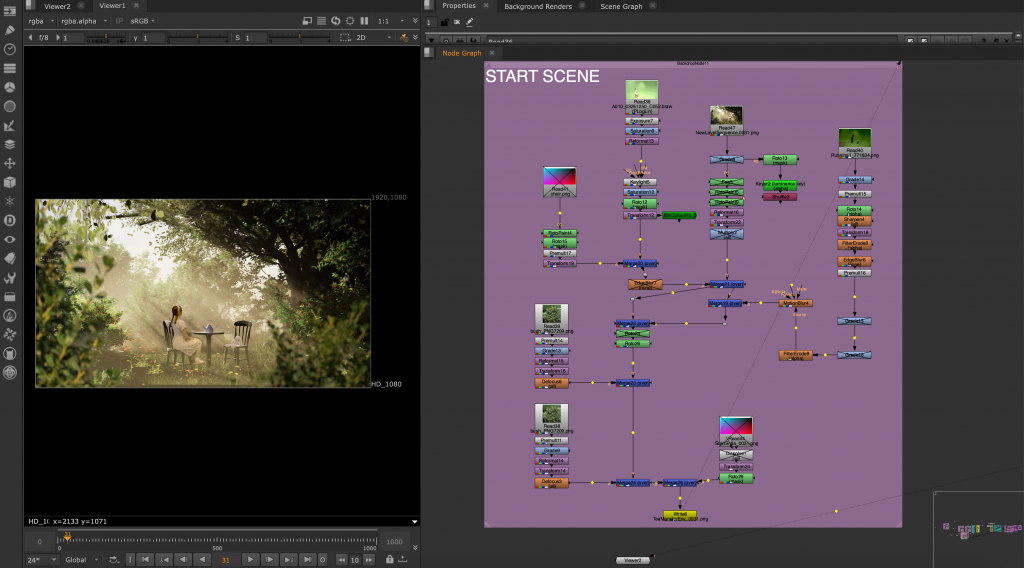
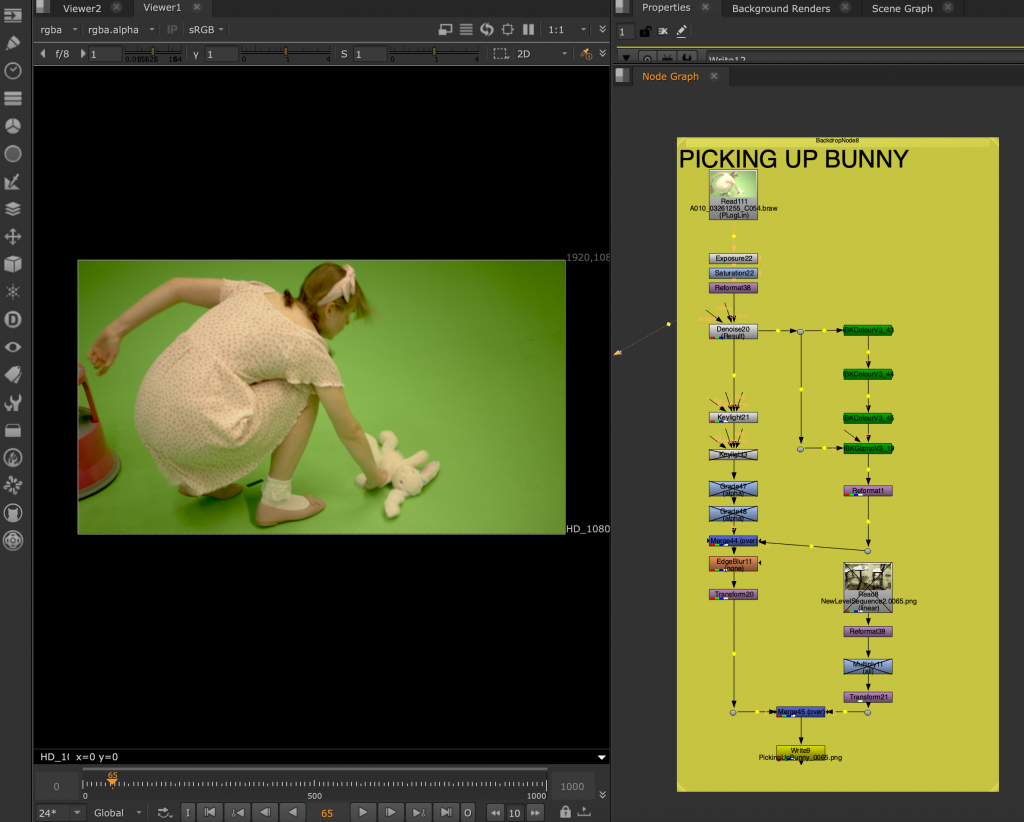
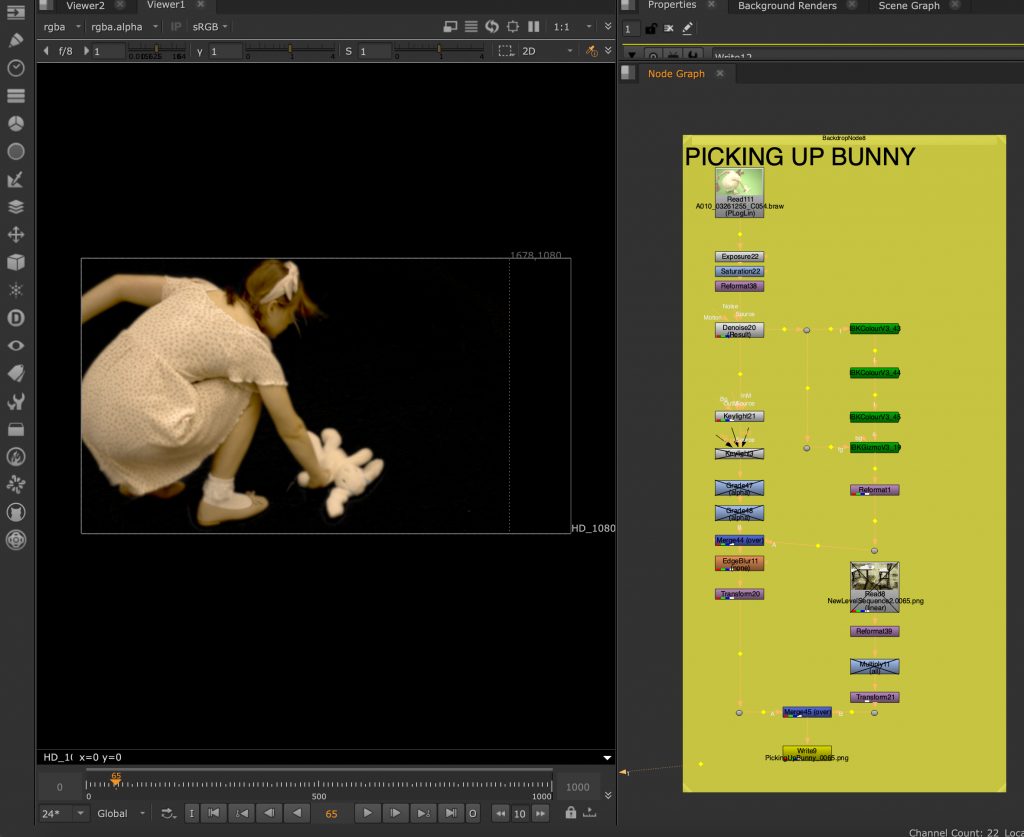
I brought the live-action footage into Nuke, where I removed the green screen and refined the key around the actress to separate her cleanly from the original background. Once the green screen removal was complete, I exported the keyed footage as a PNG sequence with transparency and placed it over the rendered CGI environments.
Colour Grading
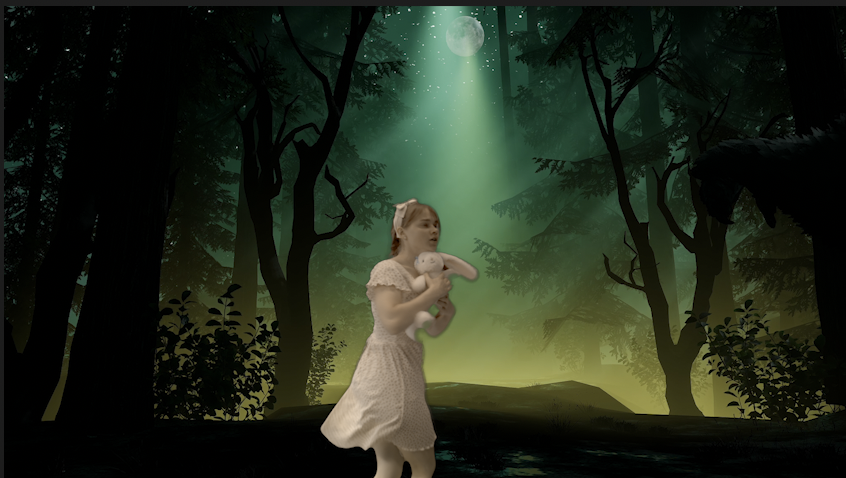
I did the final colour grading in Adobe Premiere Pro, adjusting the footage to better match the lighting, colours and overall atmosphere of each environment.
Monster Rigging & Animation
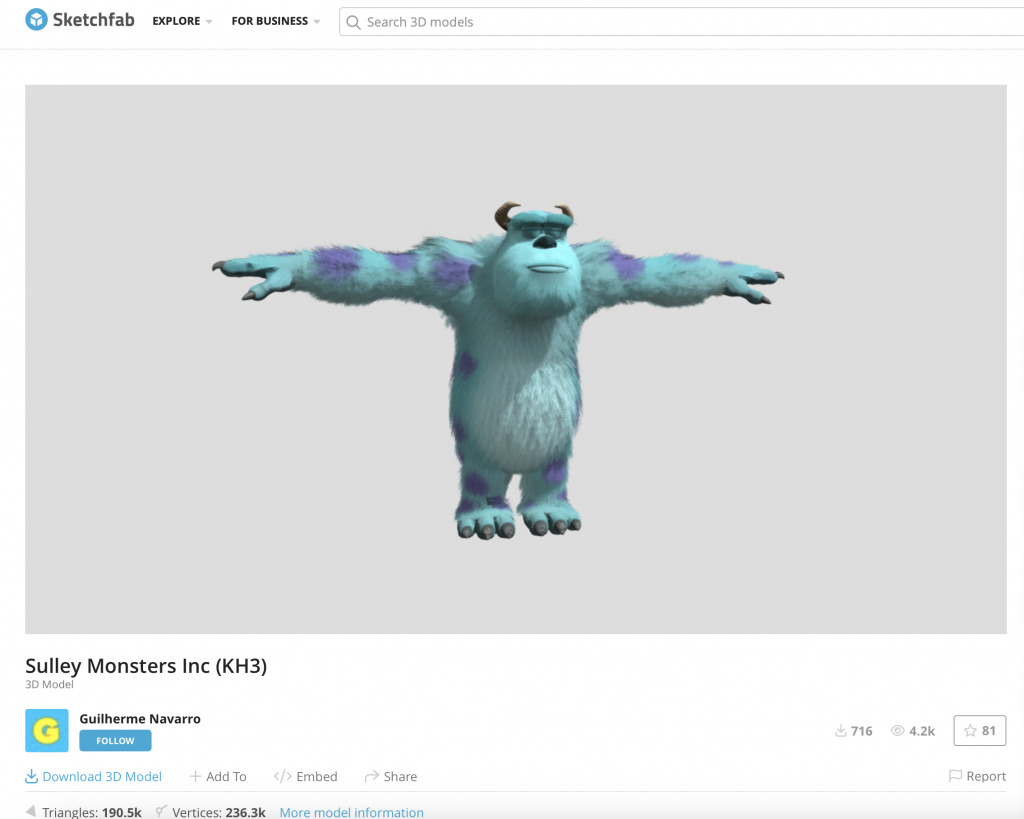
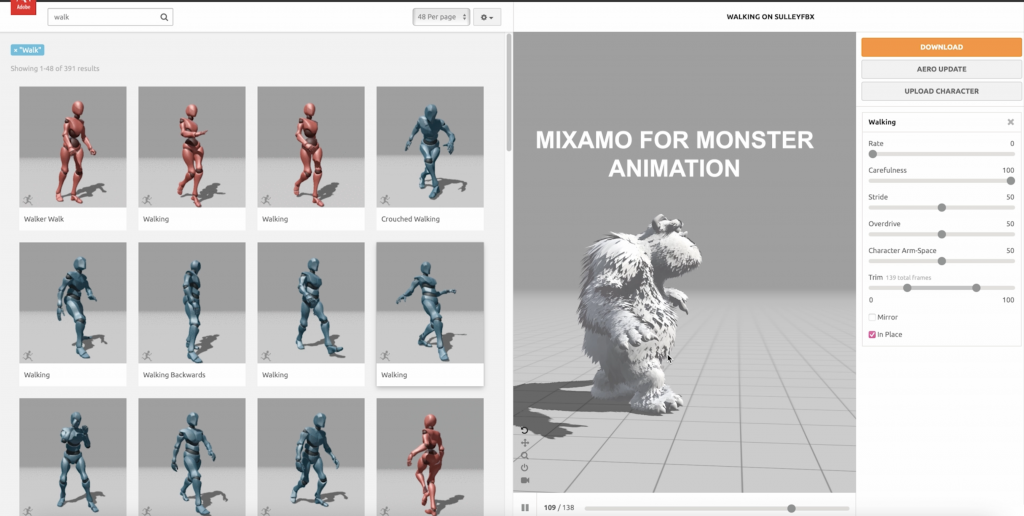
My original plan was to model and create my own monster, as I wanted the character to be unique and closer to the original reference images and concept I had developed at the beginning of the project. However, creating an original character from scratch would have required significantly more time than I had available. As character modelling and animation are also not areas I want to specialise in, with my main interest being environment art, I decided to use an existing Sulley model from Sketchfab instead. I then used Mixamo for the rigging and animations needed for most of the shots.
For the shot where the monster picks up the bunny, I could not find an existing animation that worked for the action I needed. I therefore created this animation myself in Maya, using Quick Rig and manually keyframing the character’s movement and poses to create the interaction with the bunny.
Final Edit & Sound Design
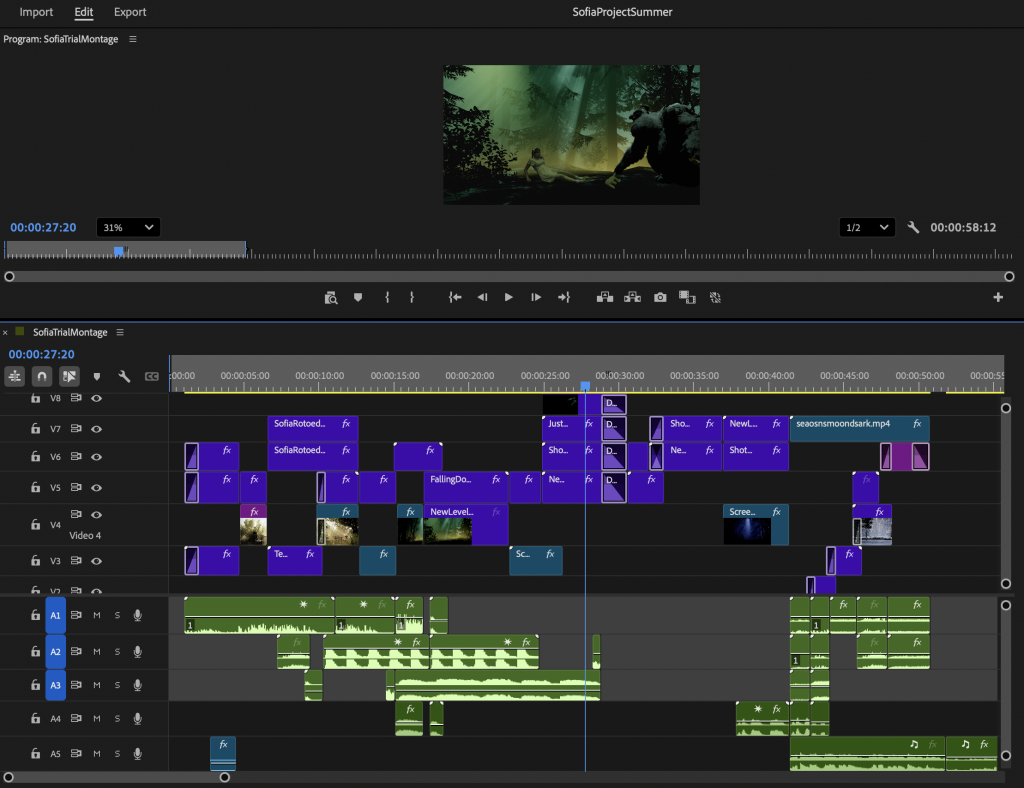
I brought all of the finished shots together in Adobe Premiere Pro, where I assembled and edited the final sequence. I also created the sound design, using sound effects sourced from Pixabay to add atmosphere and support the actions throughout the film. For the final soundtrack, I wrote the lyrics and used Suno AI to generate the song, creating music that matched the story and tone of the project.
The Final Video
The Breakdown
Leave a Reply