Research:
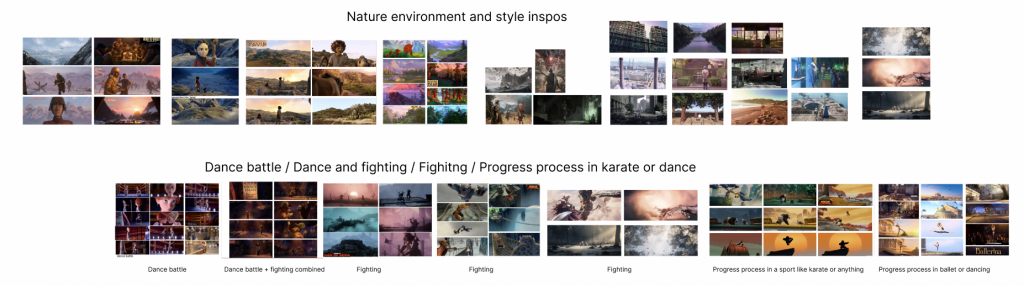
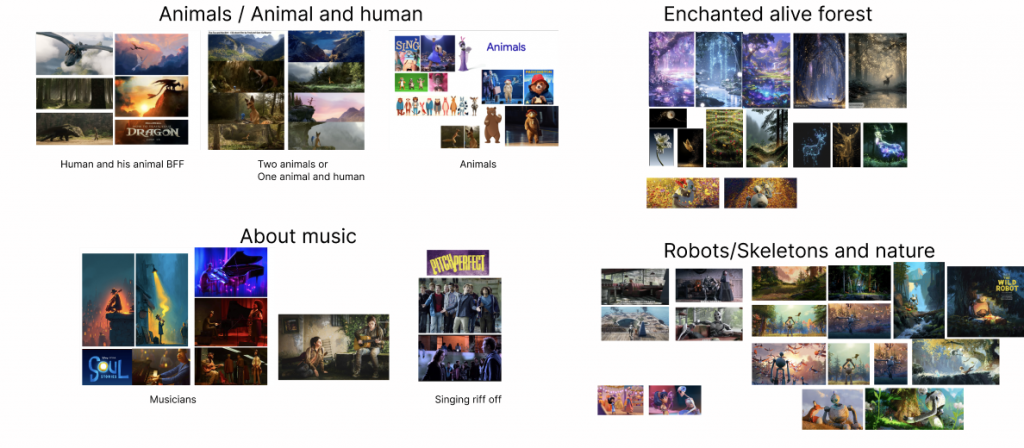
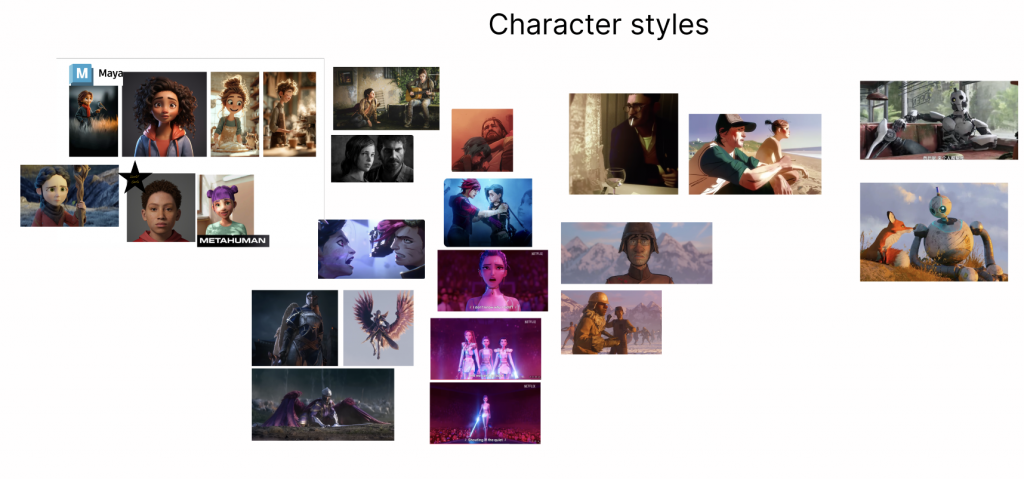
For our group project, our team consisted of five members: four VFX students — Nora, Aniela, Sahil, and Lex , and one animation student, Maria. From the beginning, we wanted the project to feel visually strong and emotionally engaging, so we started by collaborating on a shared Figma board where we collected references, ideas, and visual inspirations. At this stage, we kept our options completely open and explored a wide variety of themes, art styles, stories, and cinematic looks before narrowing down our direction.
Kung Fu Panda as main inspiration:
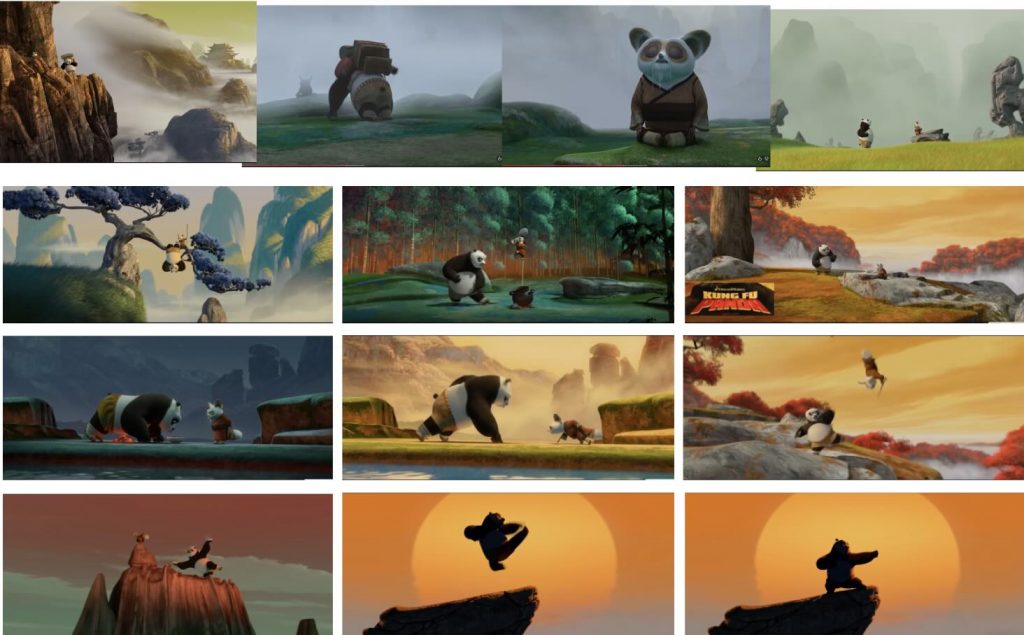
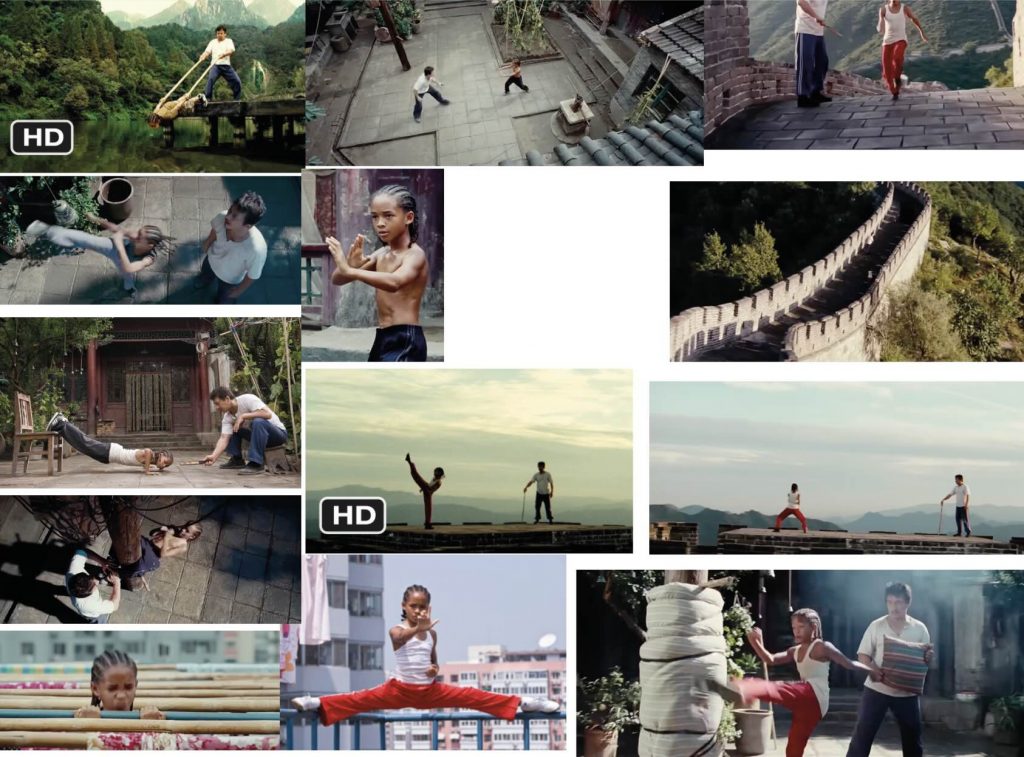
A large part of our research focused on animated films and video games, both visually and narratively. After many discussions and research sessions, we found ourselves most inspired by films such as Kung Fu Panda and The Karate Kid. What stood out to us was the idea of growth through discipline and training. In Kung Fu Panda, we were inspired by Po’s journey from being completely inexperienced to becoming confident and powerful through persistence and self-belief. We also looked closely at the training montage in The Karate Kid, where the progression of learning is shown through physical repetition and gradual improvement. That sense of transformation became central to our concept.
Script:
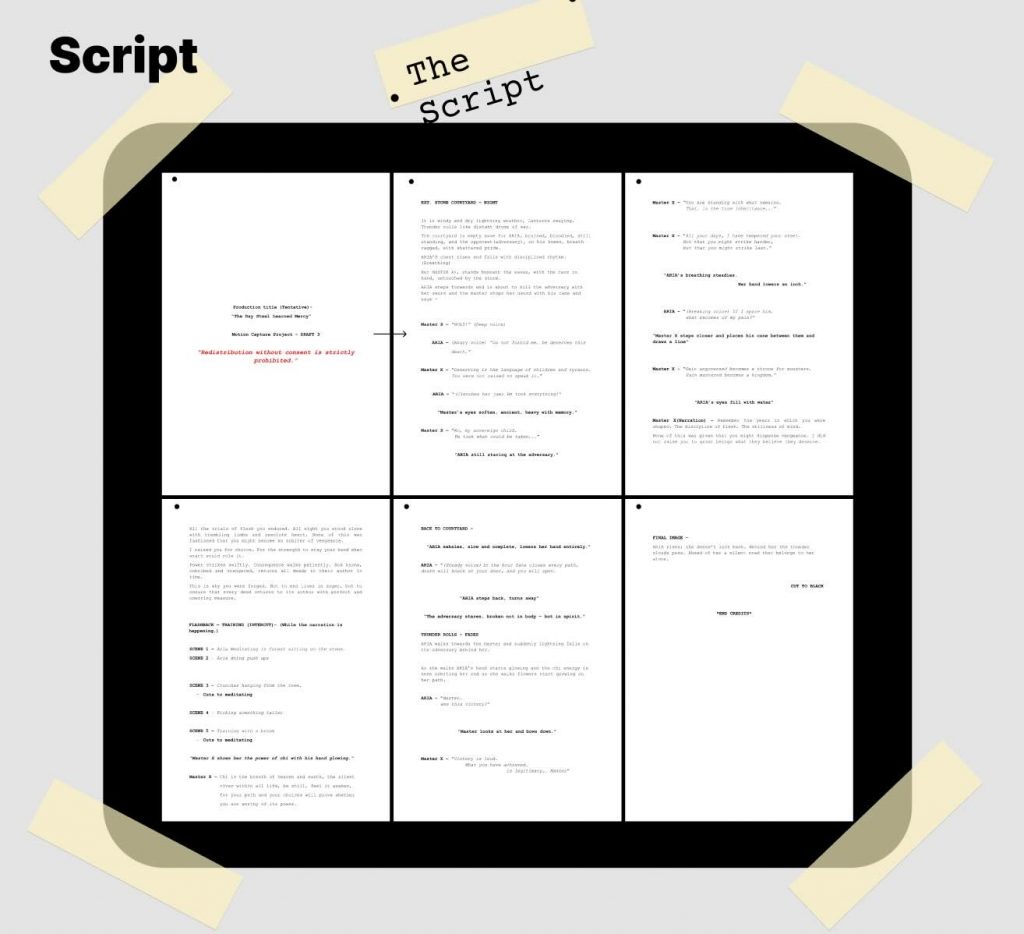
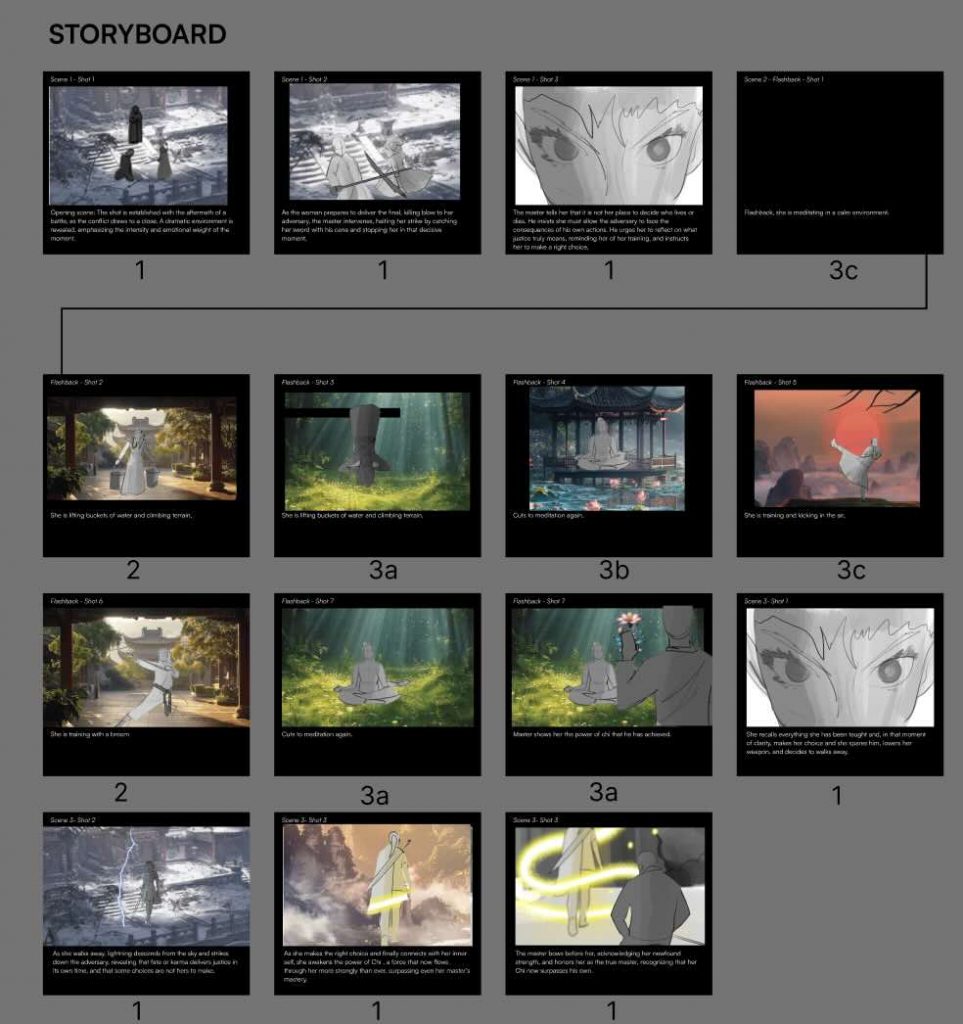
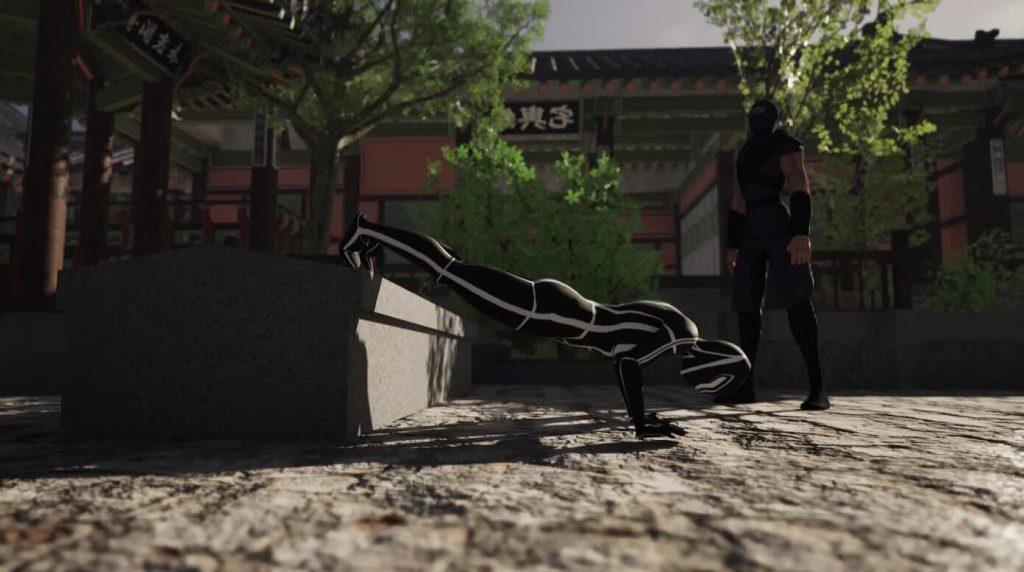
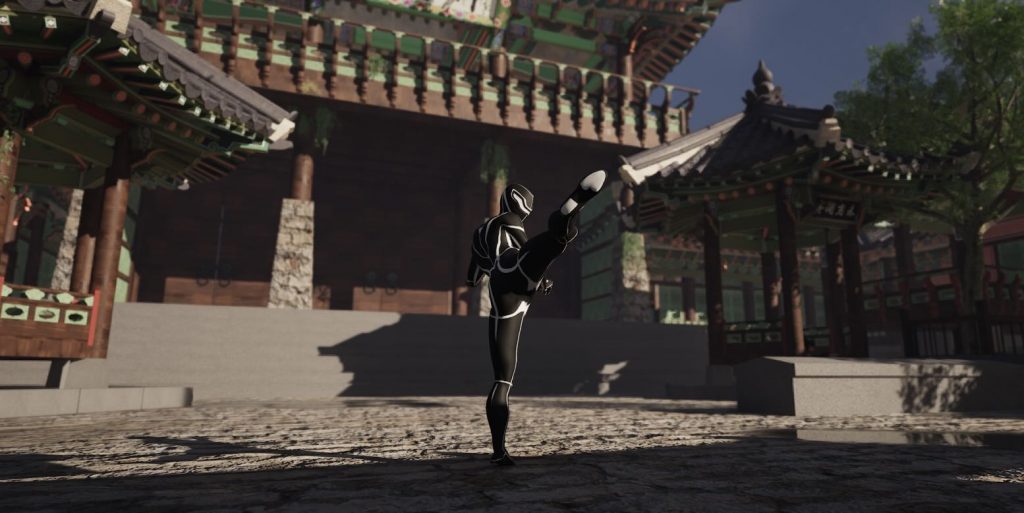
Once we established the core idea, we moved on to writing the script and creating a storyboard. We carefully planned out the training sequences and discussed which movements would best communicate progression and determination. Some of the exercises we included were pull-ups, carrying water buckets, kicking drills, push-ups, and crunches. Each movement was chosen to visually represent both physical and mental growth throughout the character’s journey.
Storyboard:
Once we established the core idea, we moved on to writing the script and creating a storyboard. We carefully planned out the training sequences and discussed which movements would best communicate progression and determination. Some of the exercises we included were pull-ups, carrying water buckets, kicking drills, push-ups, and crunches. Each movement was chosen to visually represent both physical and mental growth throughout the character’s journey.

Chi energy:
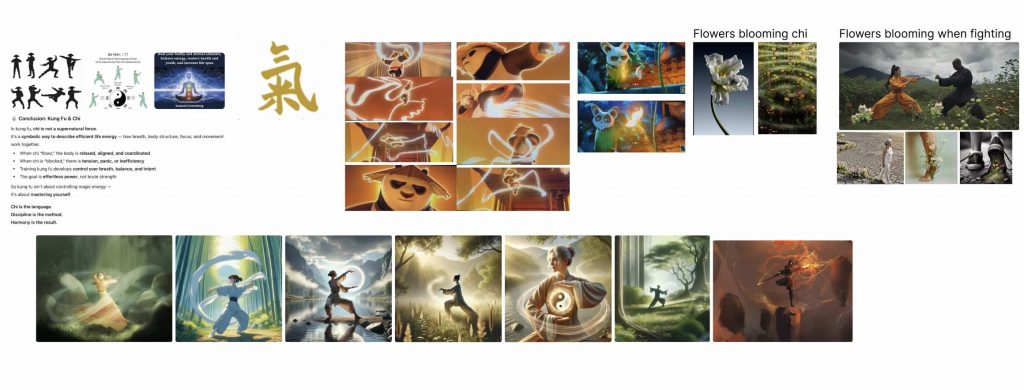
As our concept developed further, we continued researching the themes behind Kung Fu Panda, particularly the idea of chi energy. We learned that chi represents an internal life force or energy that flows through all living things. In the story, mastering chi requires balance, inner peace, and a strong connection with both nature and oneself. This idea strongly influenced the direction of our project because it connected physical training with emotional and spiritual growth. We wanted our film to communicate not only strength and discipline, but also the importance of self-awareness and inner balance.
Environment Research:
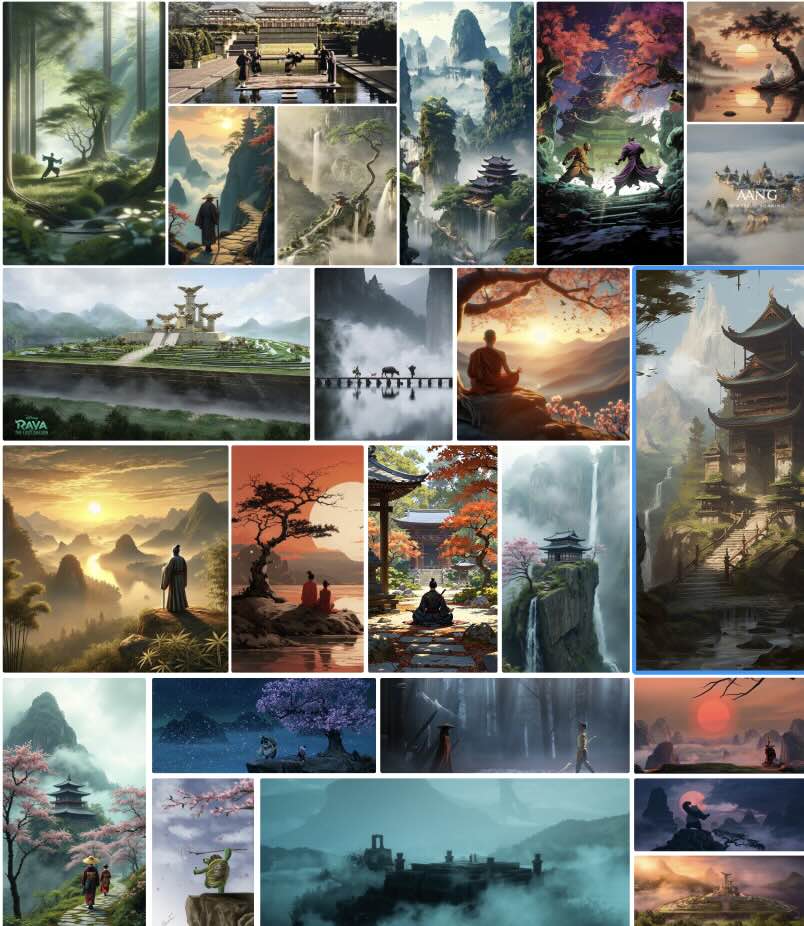
After developing the core concept and story direction, we began researching environmental inspiration to build the visual world of the project. We used platforms like Pinterest to collect references for architecture, lighting, atmosphere, colour palettes, and natural elements that could support the tone of the story. Since Aniela and I were especially interested in environment design, we focused heavily on creating immersive spaces that would visually communicate the character’s emotional and physical journey.
Scale and Composition Tests:
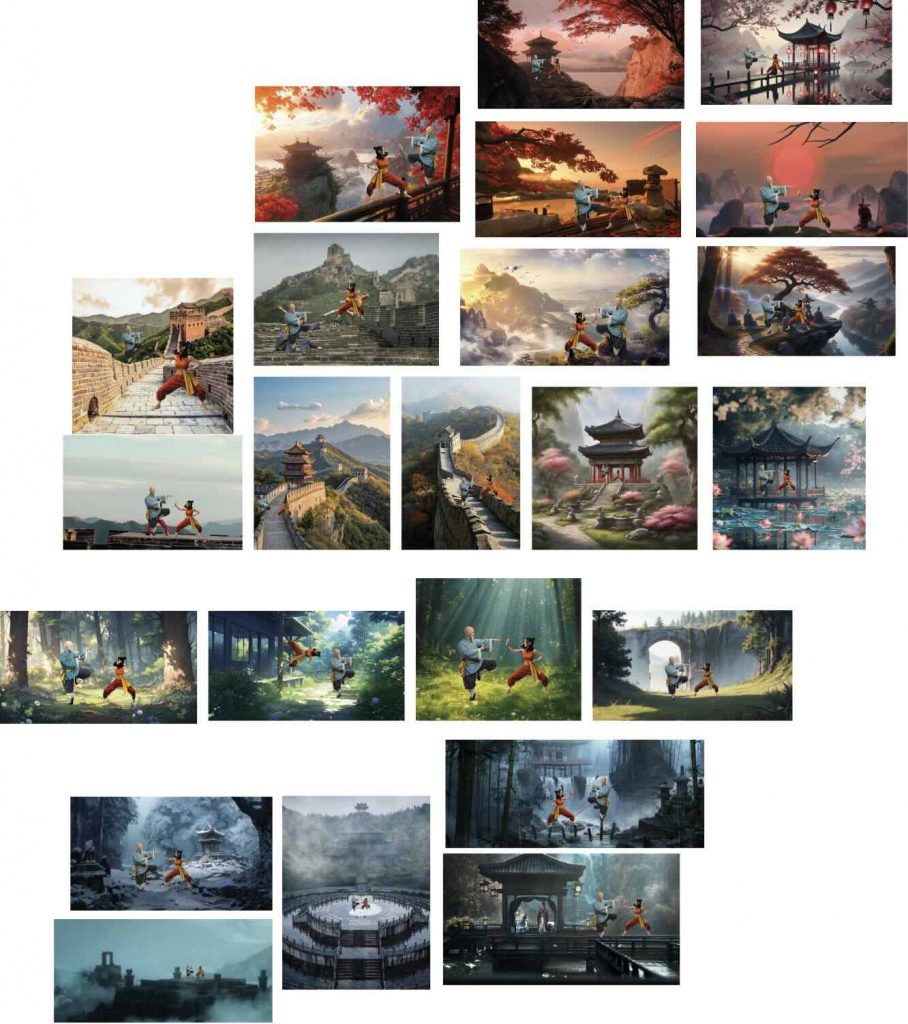
To explore different visual directions, I created rough Photoshop compositions by placing images of the characters into various Pinterest-inspired environments. This allowed us to experiment with how the characters would interact with different spaces and atmospheres before beginning production. It also helped us better understand composition, scale, lighting, and the overall mood we wanted to achieve.
Character Design:
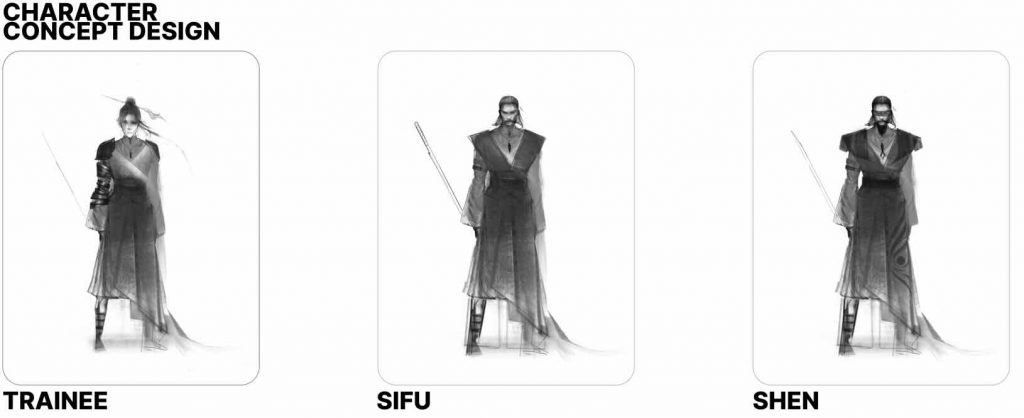
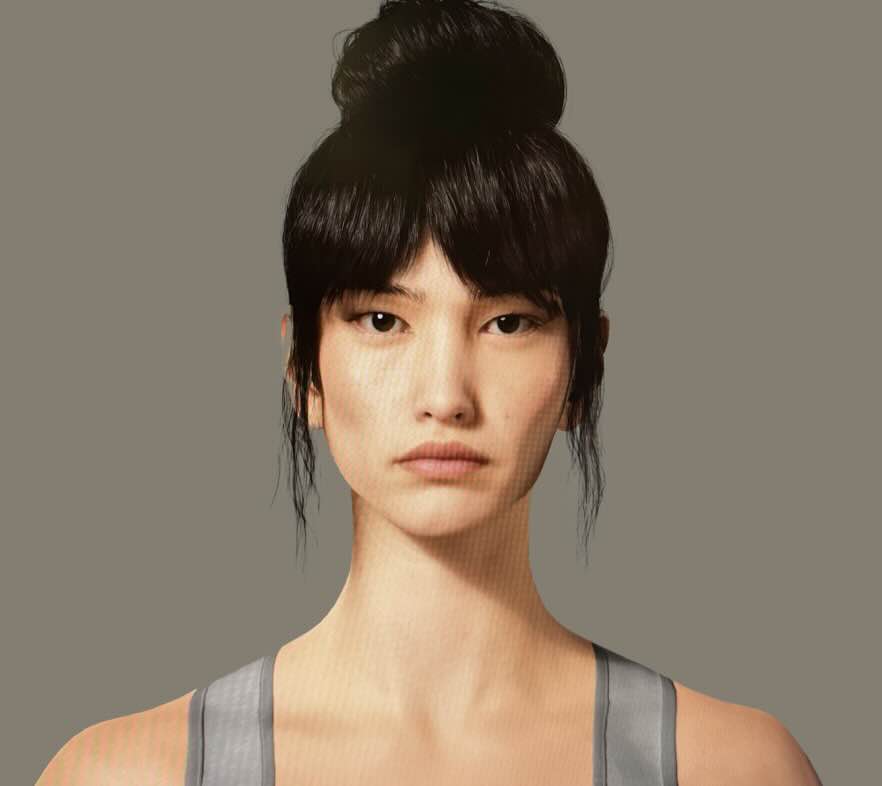
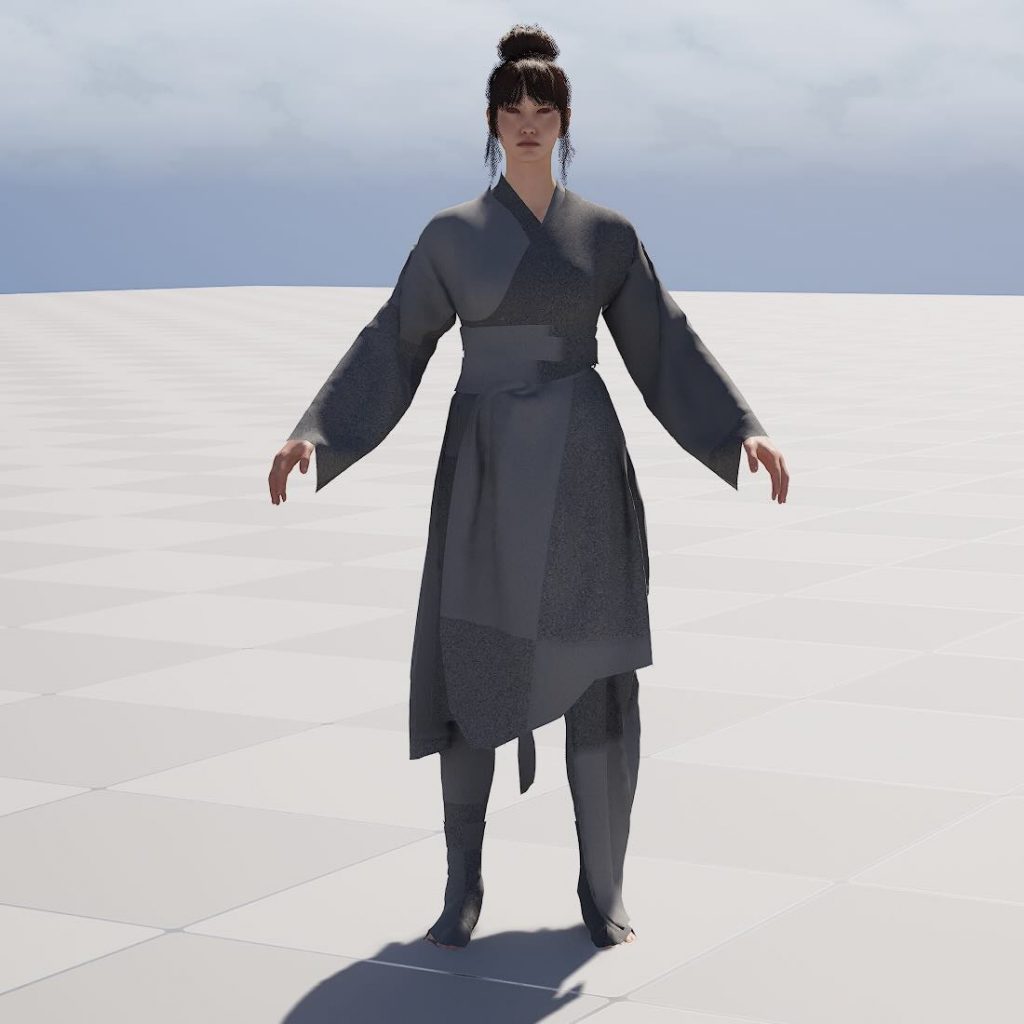
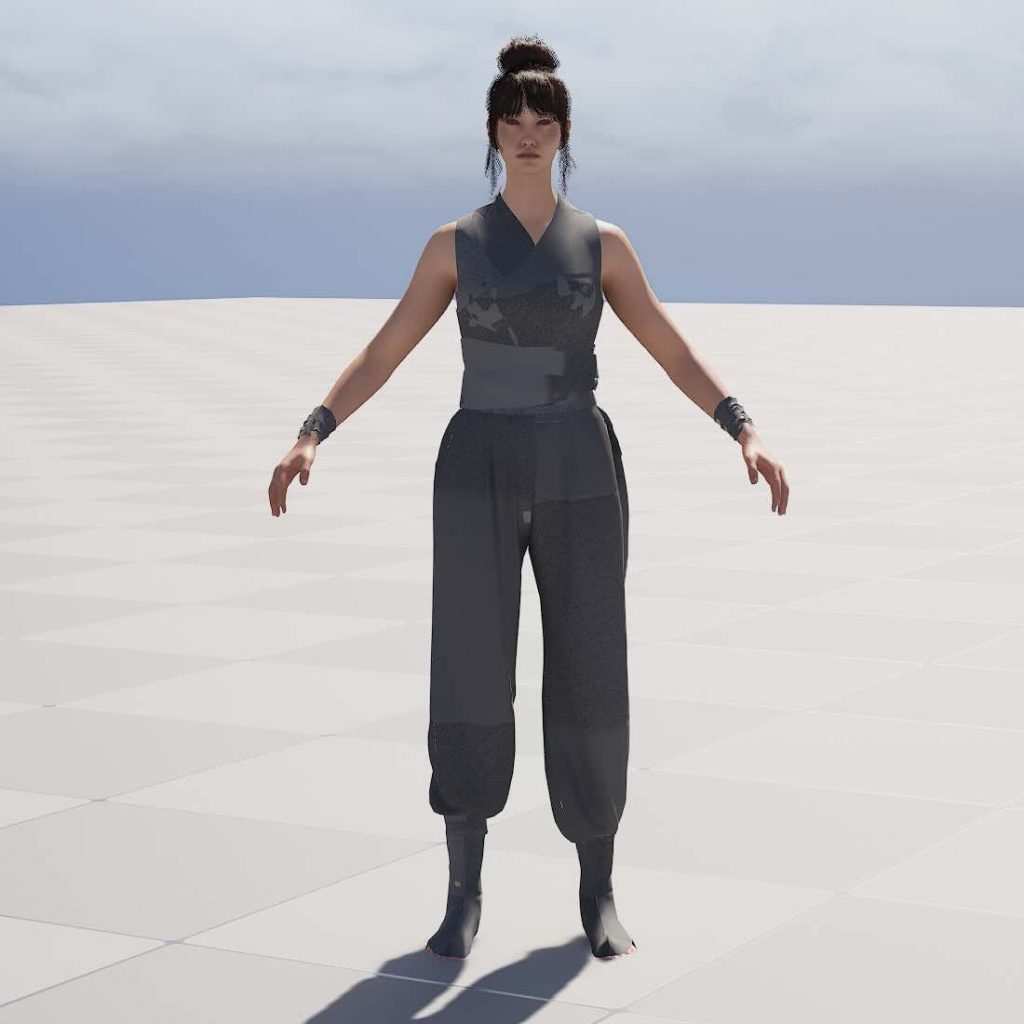
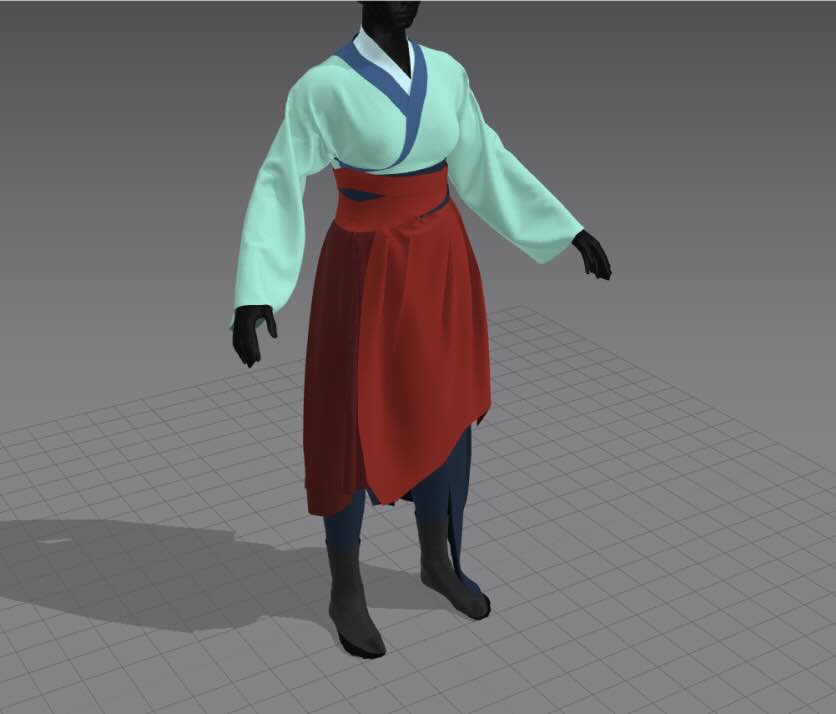
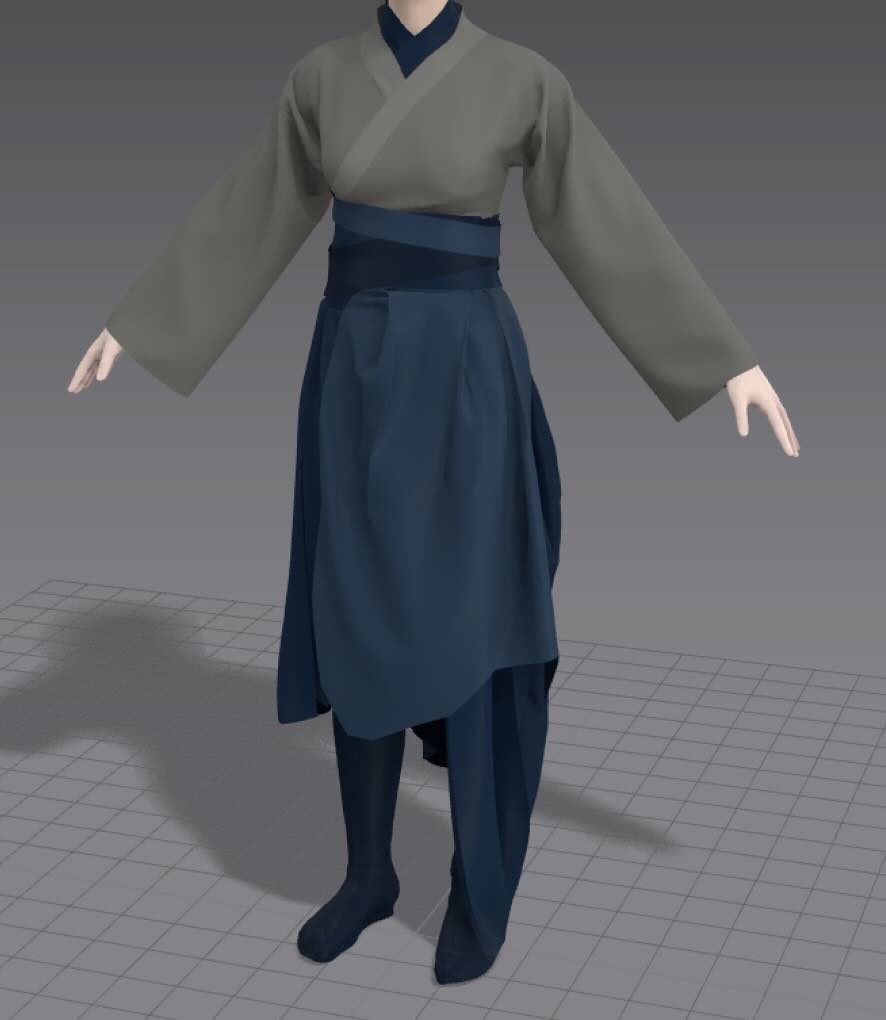
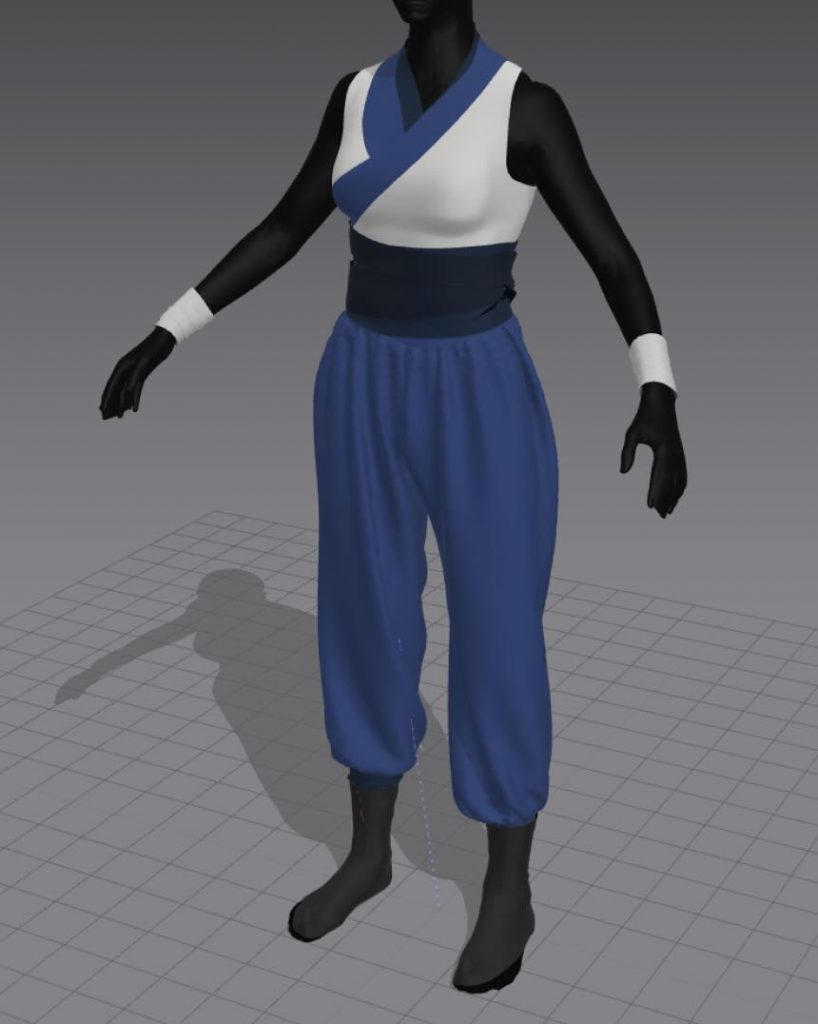
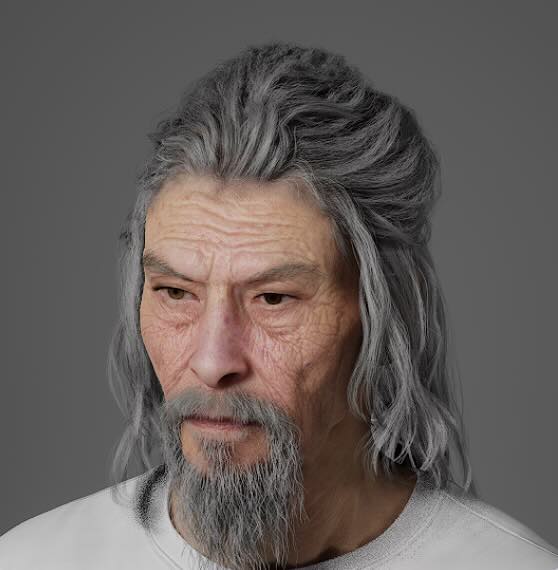
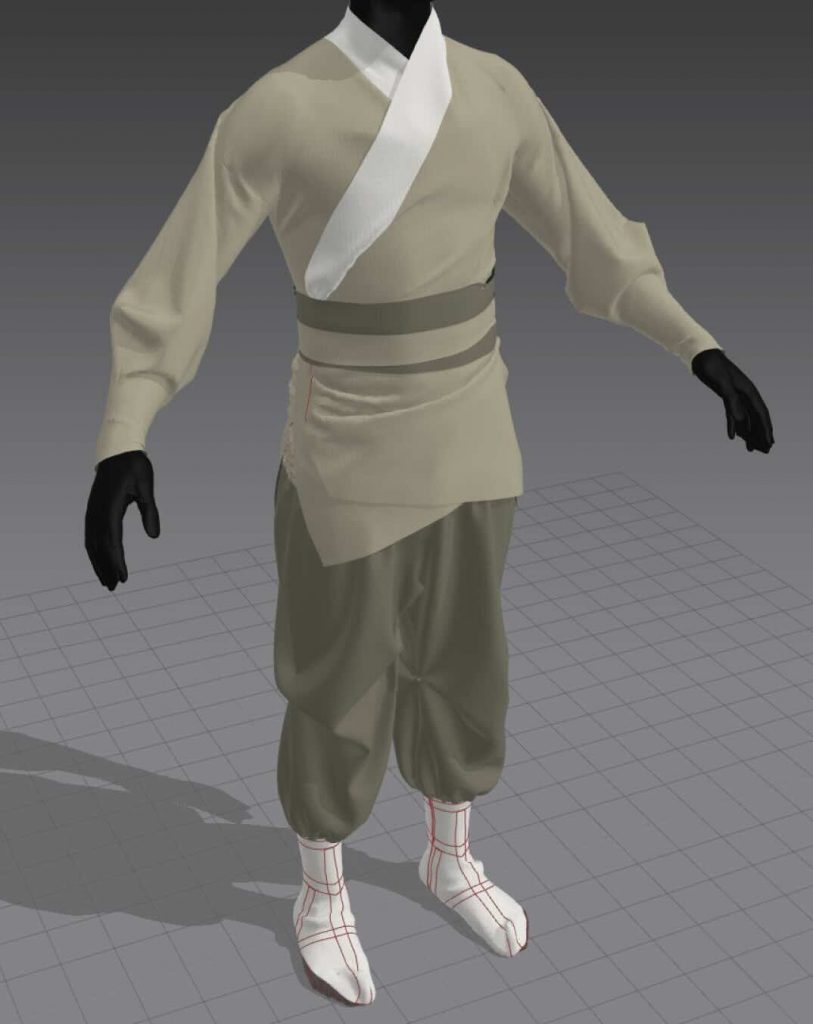
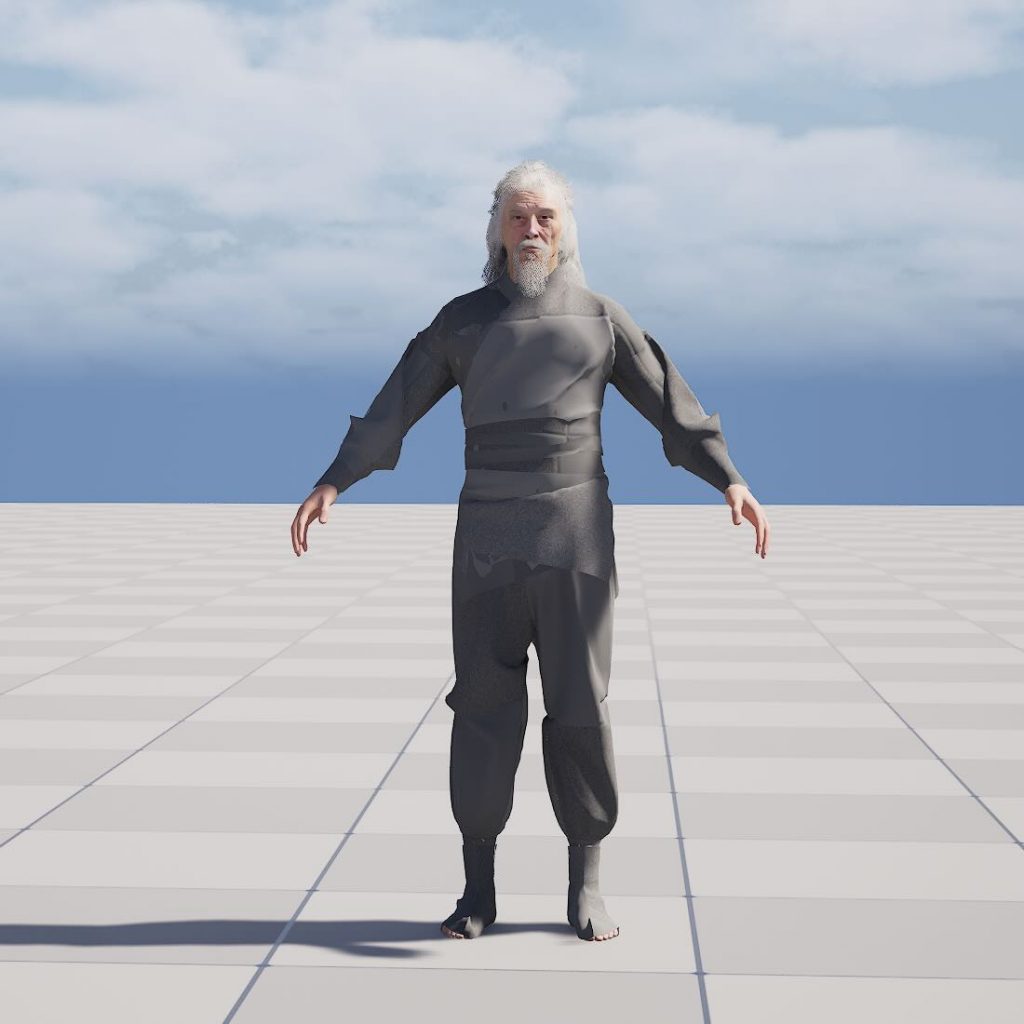
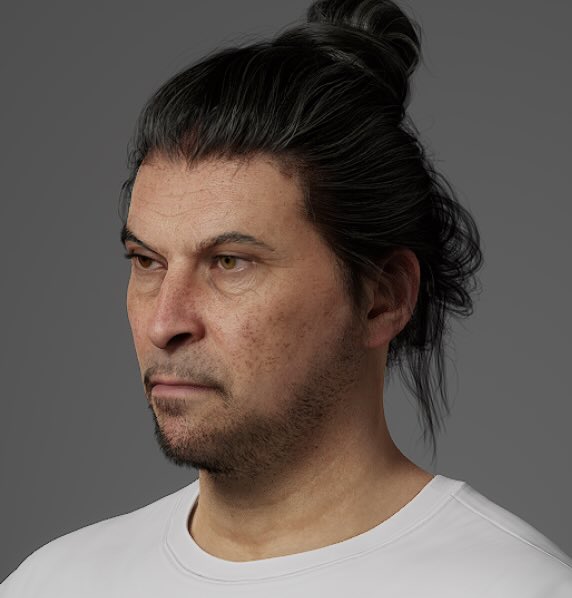
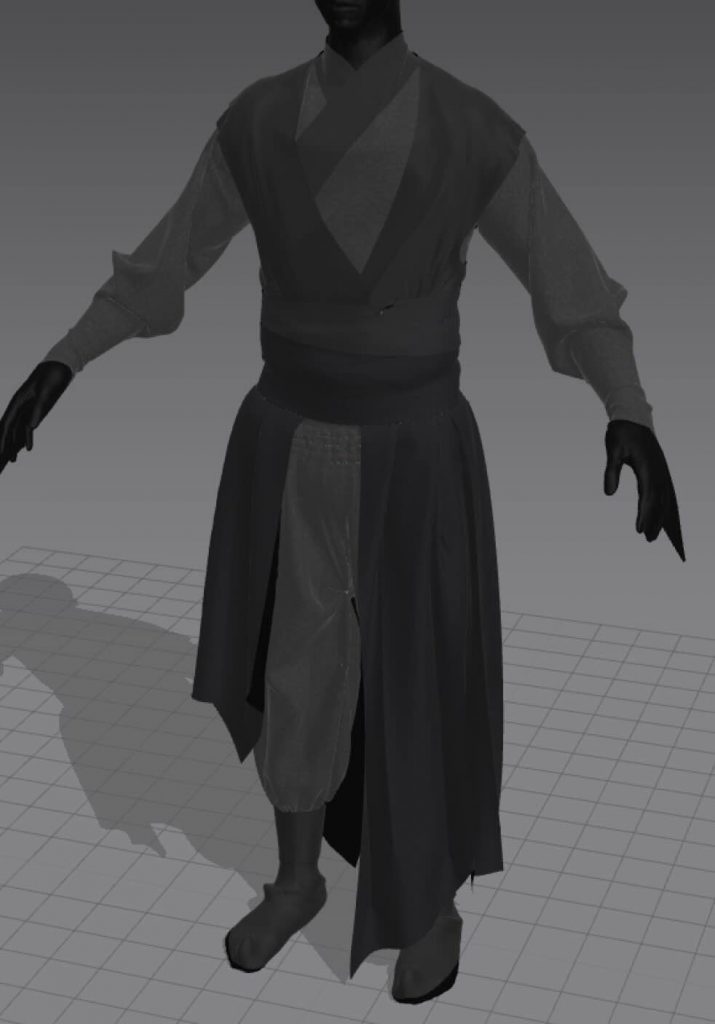
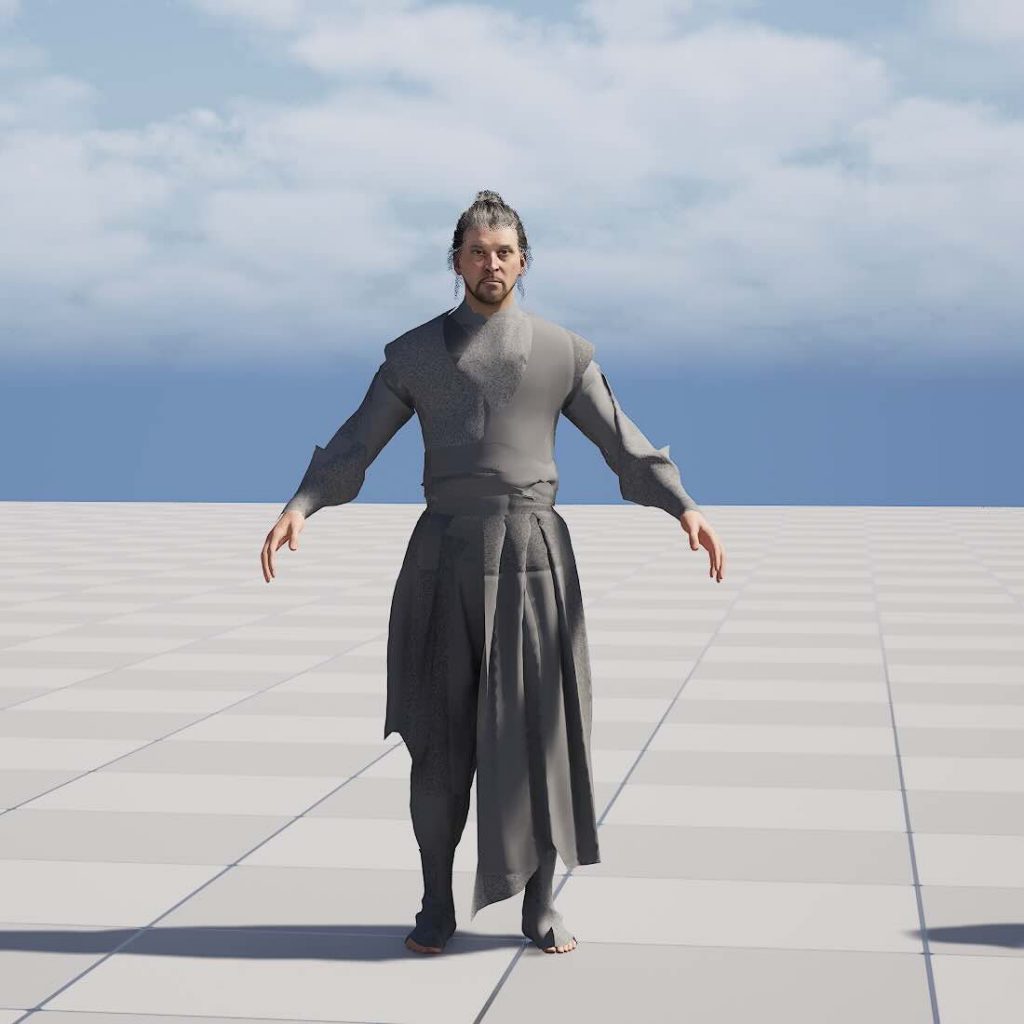
The character design process was also progressing. Lex focused on designing the two male characters and creating the clothing for the three characters, while Maria developed the appearance of the female character and did all the retargeting and animation corrections.
Environments:
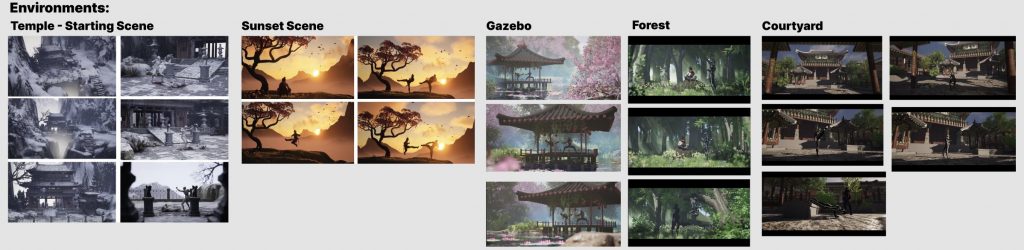
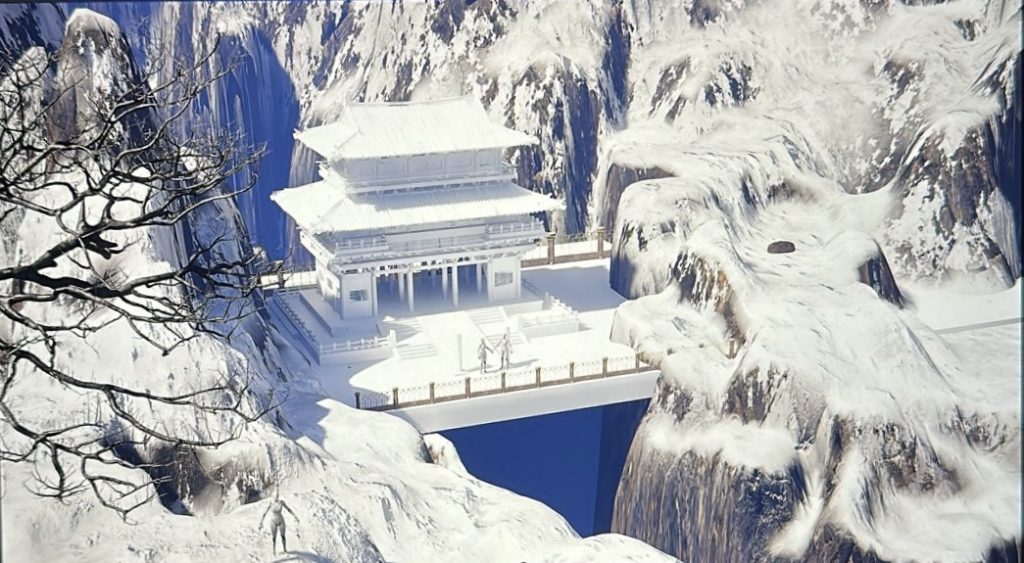
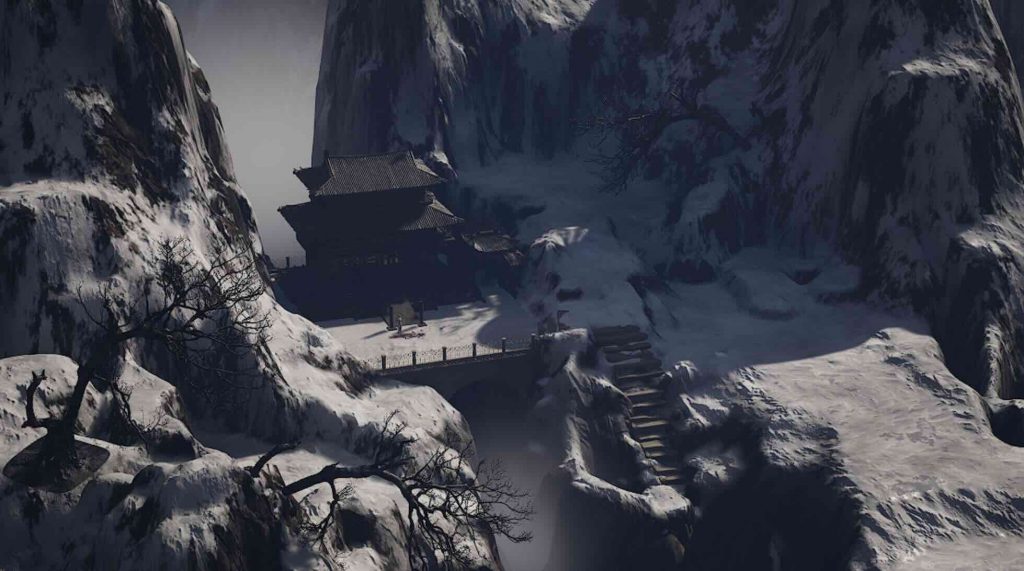
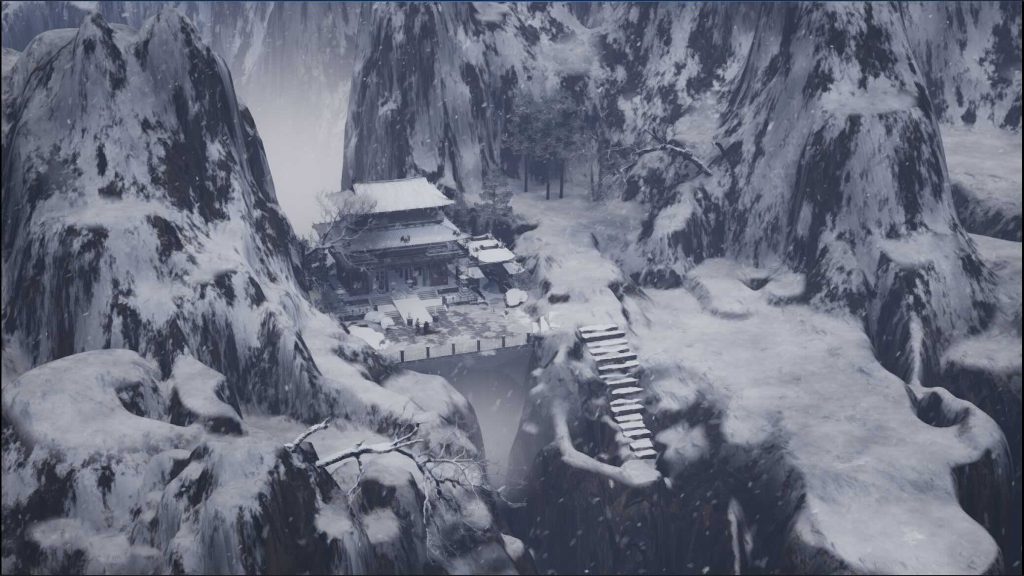
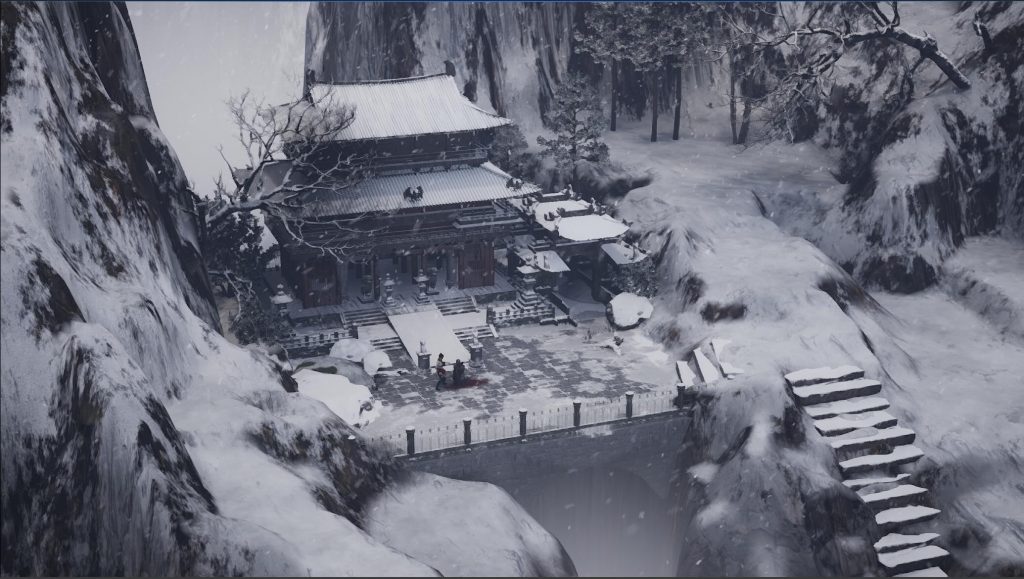
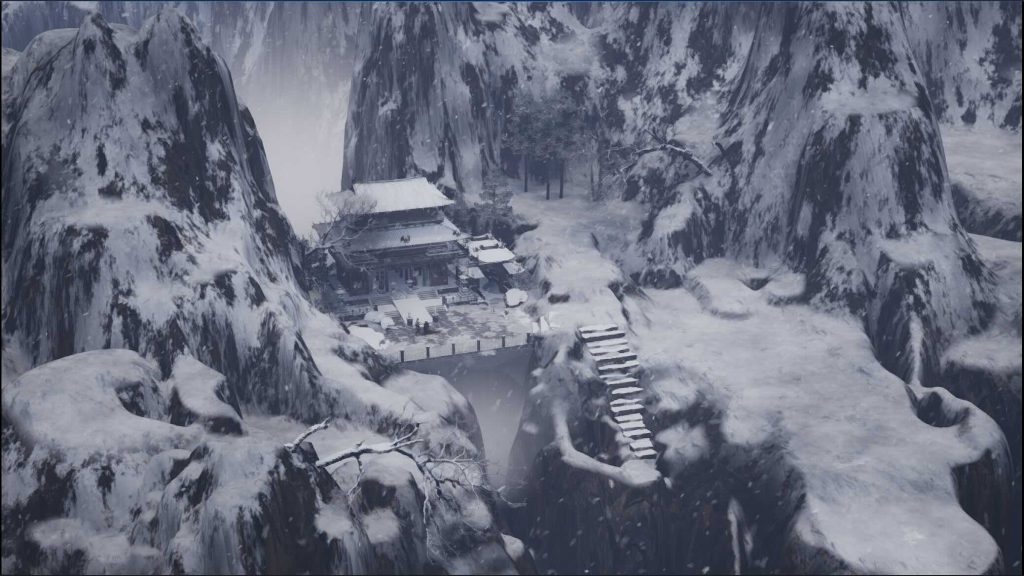
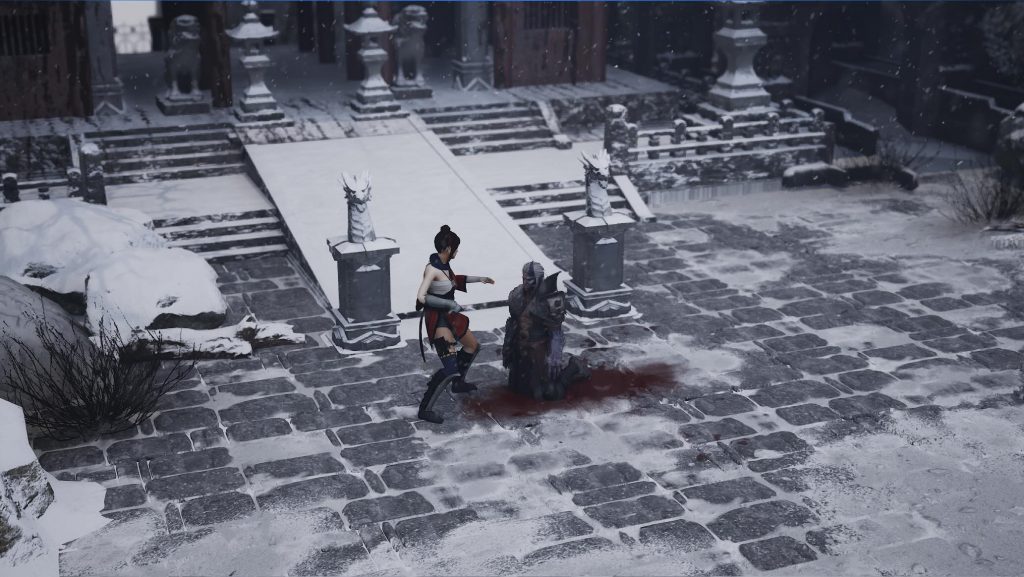
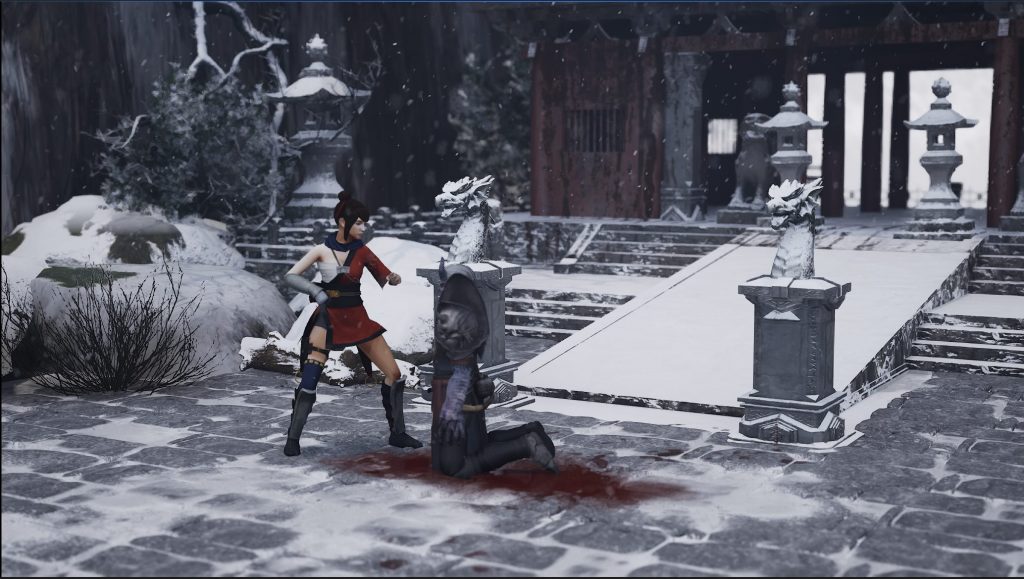
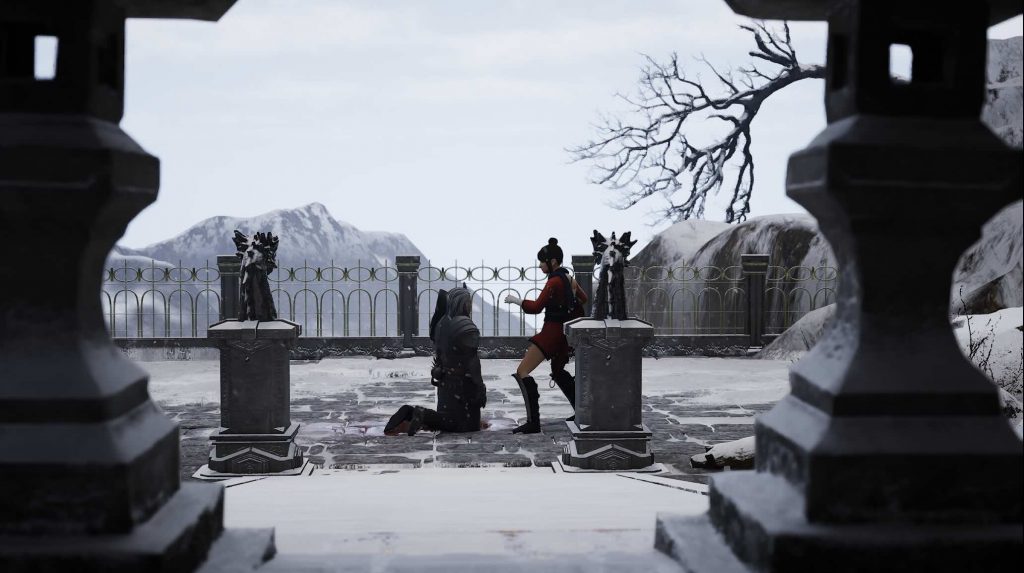
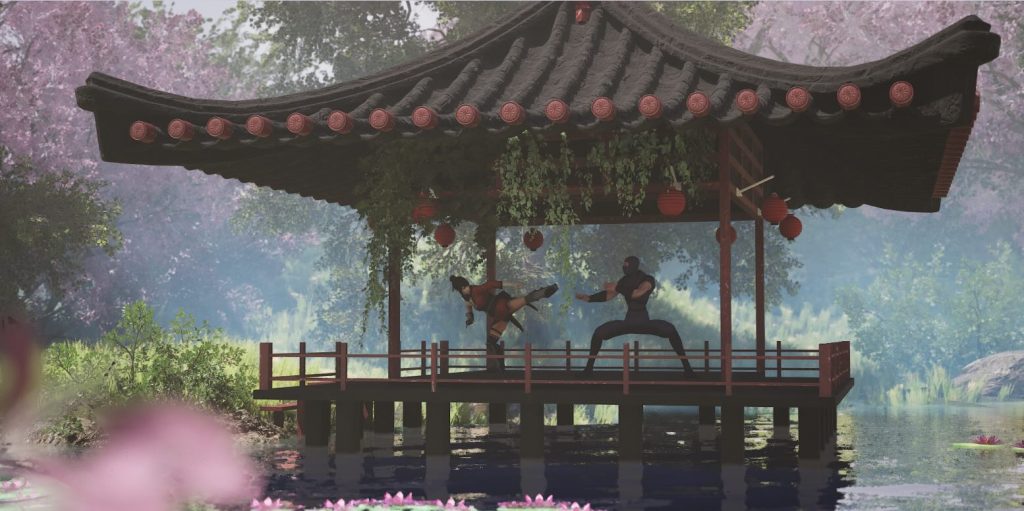
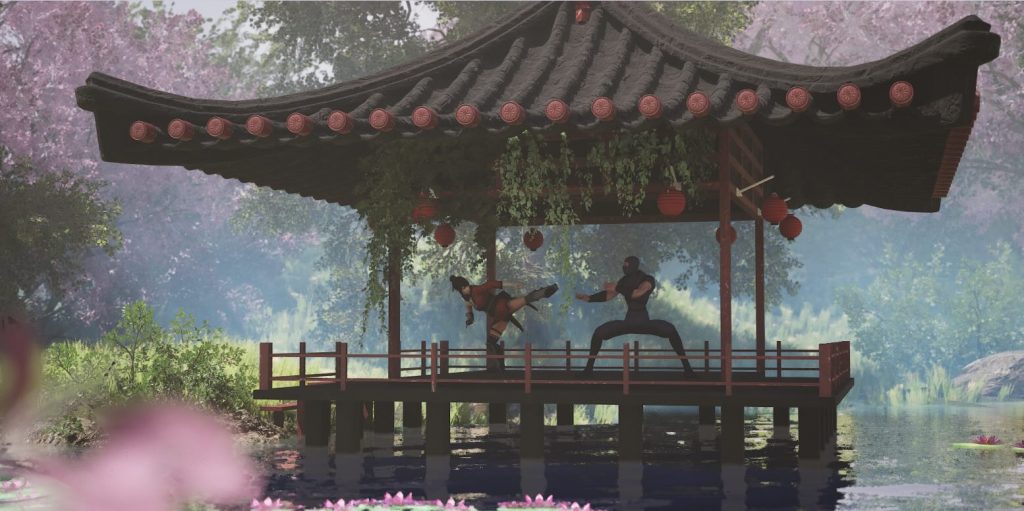
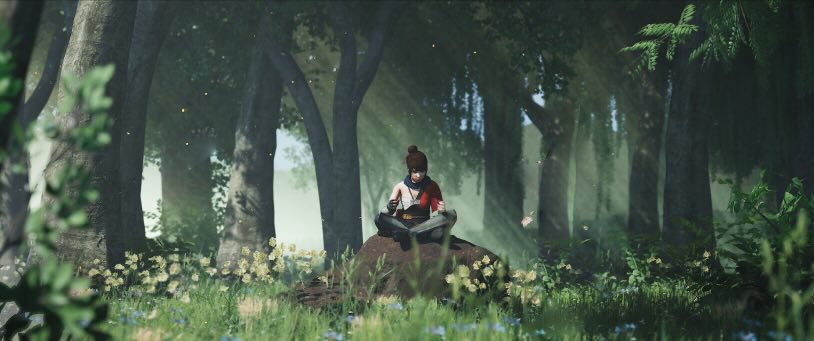
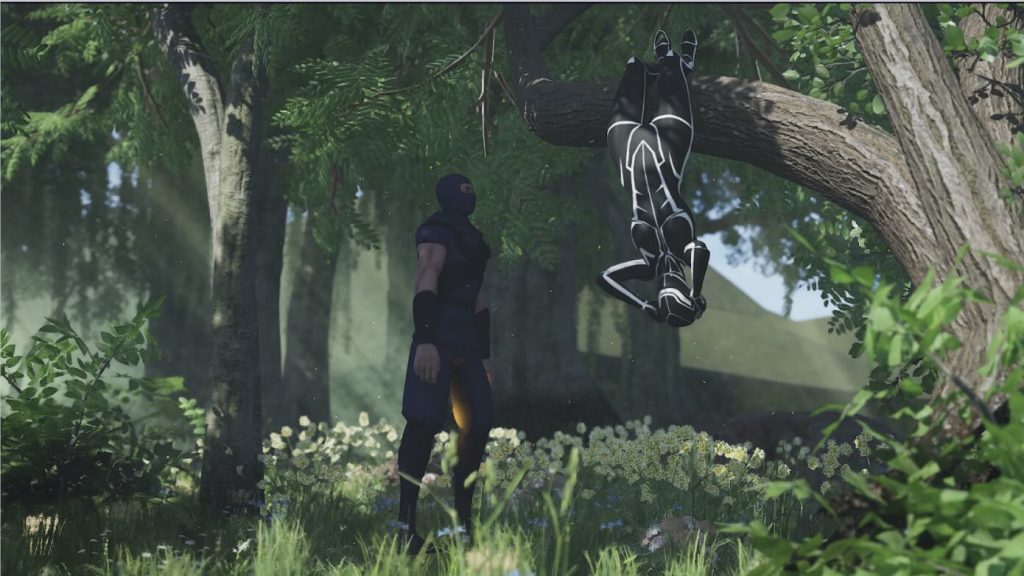
After finalising our visual direction, Aniela and I built the environments in Unreal Engine using 3D assets and Megascans. Together, we developed five different environments, each designed to support different moments within the story while maintaining a consistent visual style. We experimented with lighting, environmental storytelling, and composition to create cinematic and immersive scenes.
The environments I created:
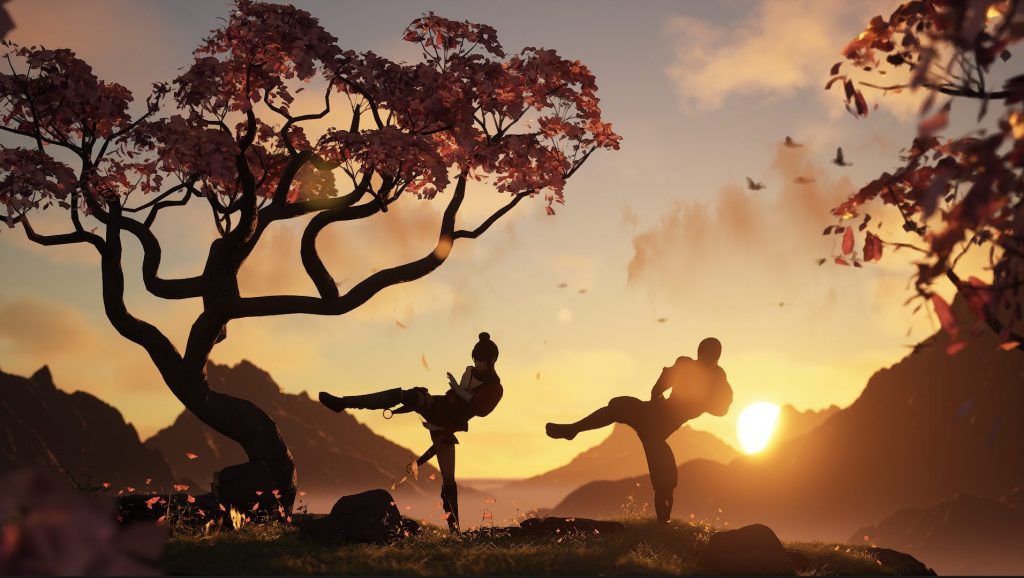
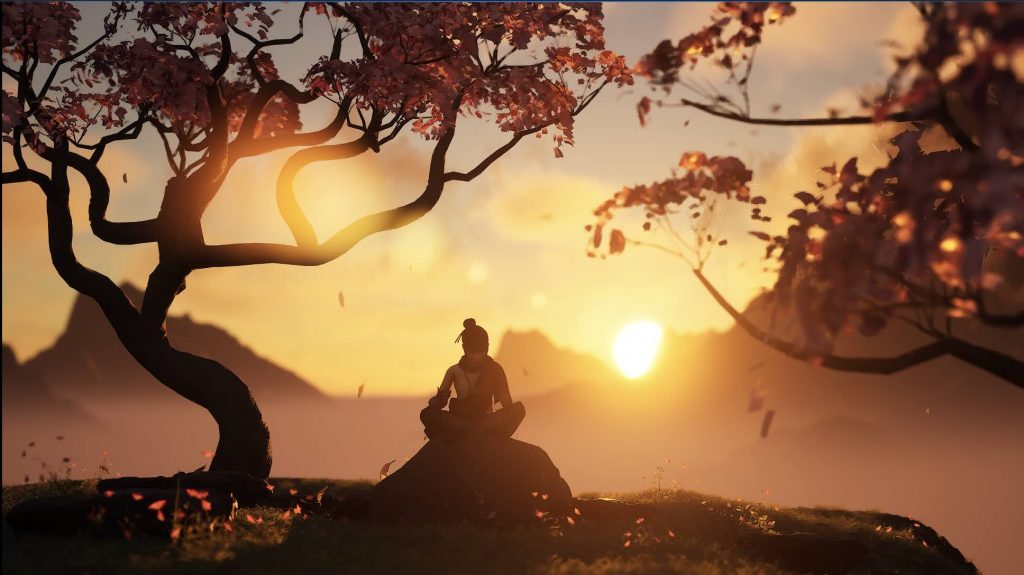
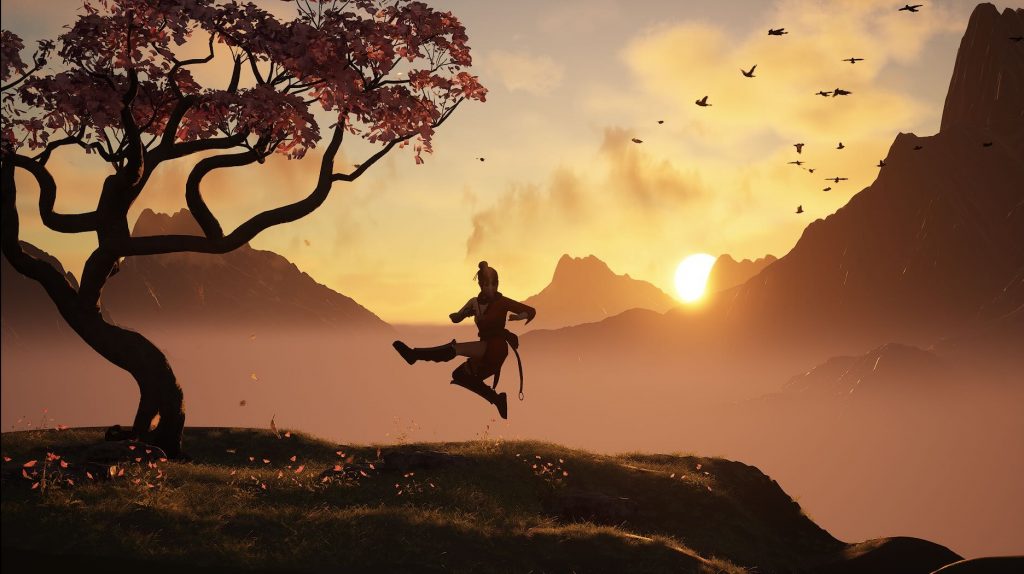
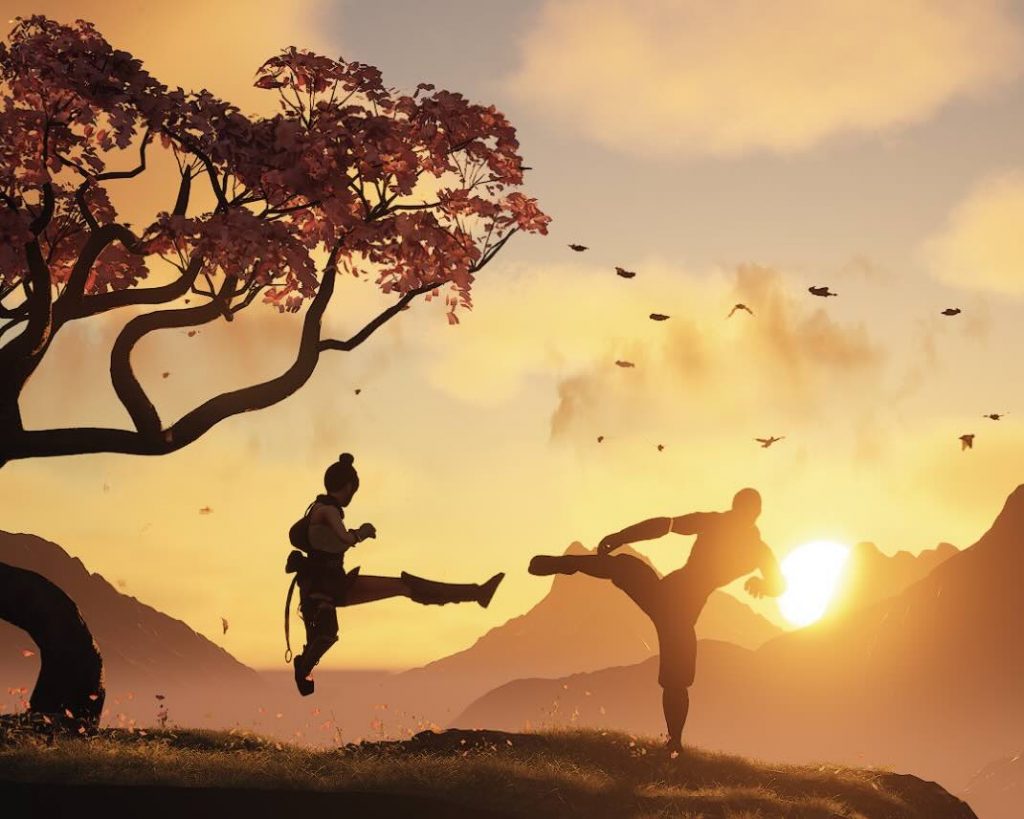
For the final environments, I was responsible for creating the opening scene as well as the sunset environment. I focused on developing the atmosphere, lighting, and composition to create visually engaging scenes that supported the emotional progression of the story. This process involved testing different assets, environmental details, and lighting setups to achieve the final cinematic look.
Opening scene Environment:
Sunset Scene Environment:
Aniela’s Environments:
Aniela created the remaining environments for the project, each contributing its own atmosphere and visual identity while fitting cohesively within the overall world we designed as a team.
Motioncapture and Collaboration:
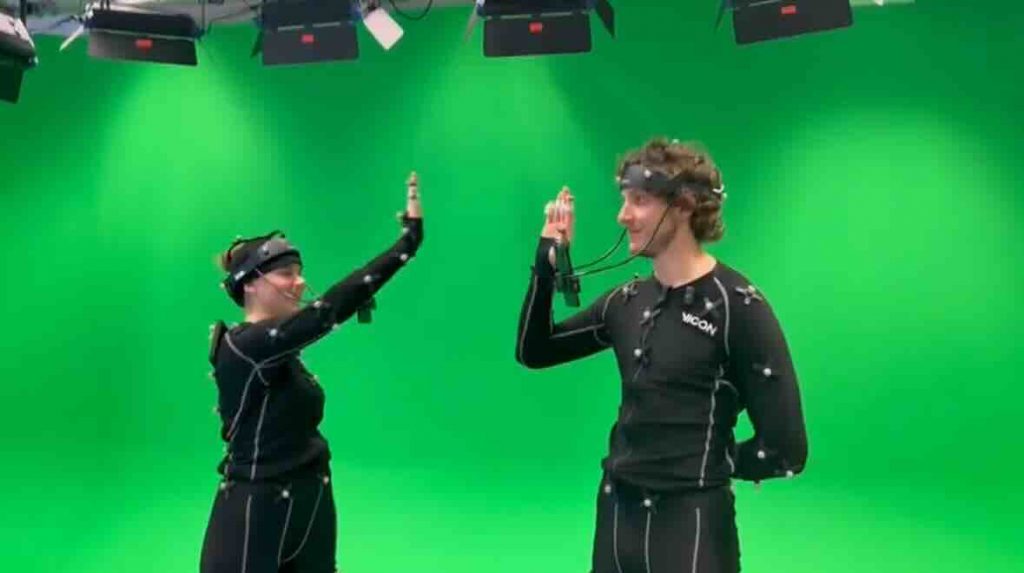
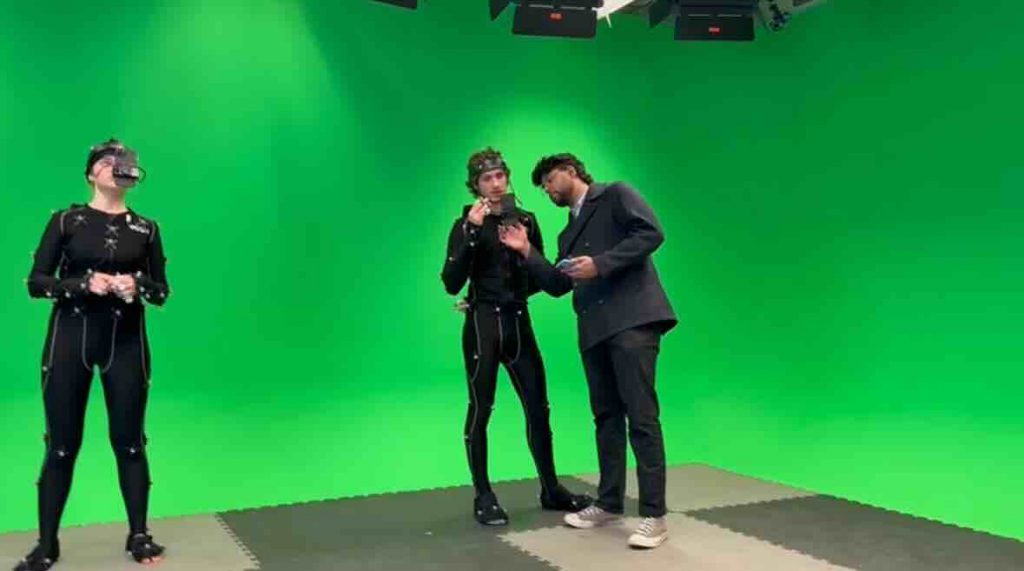
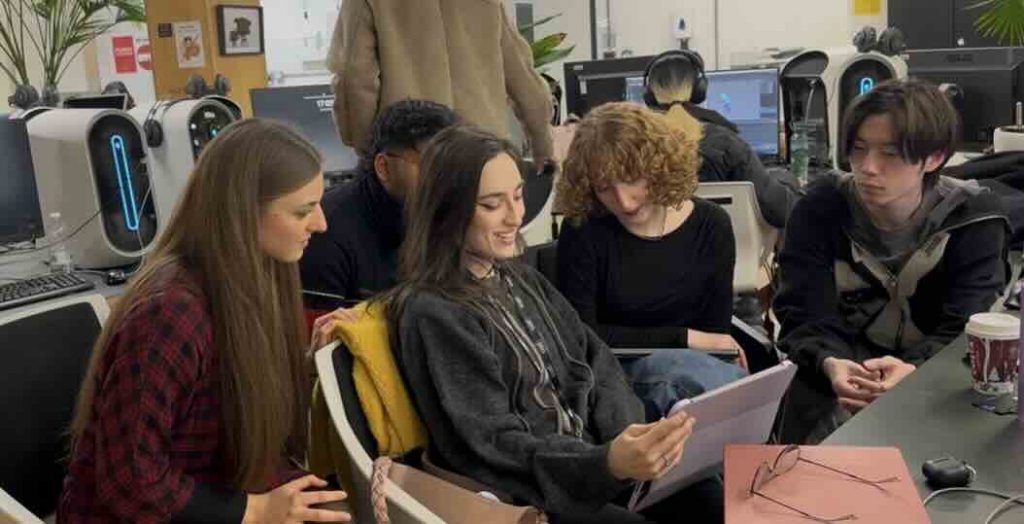
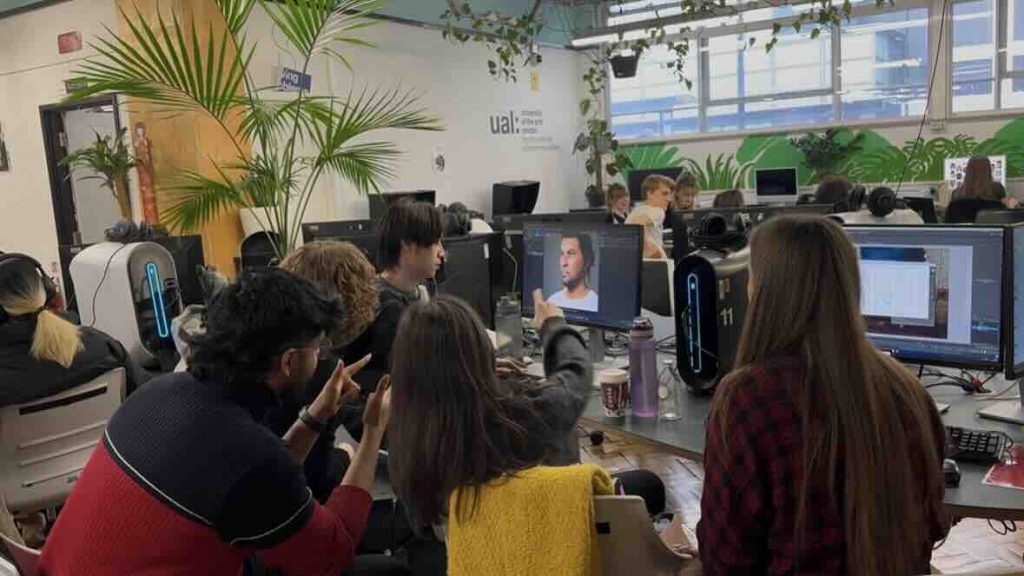
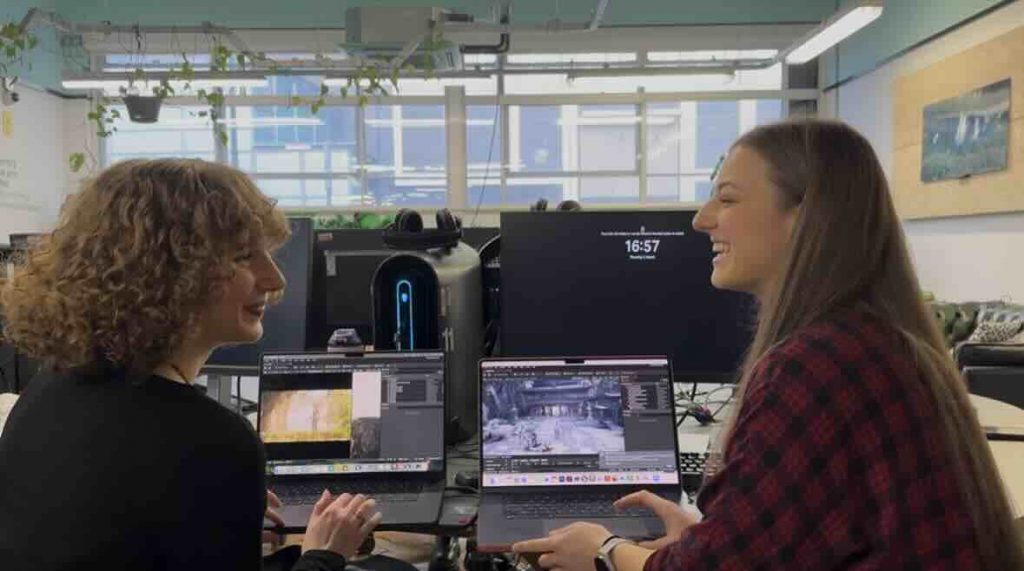
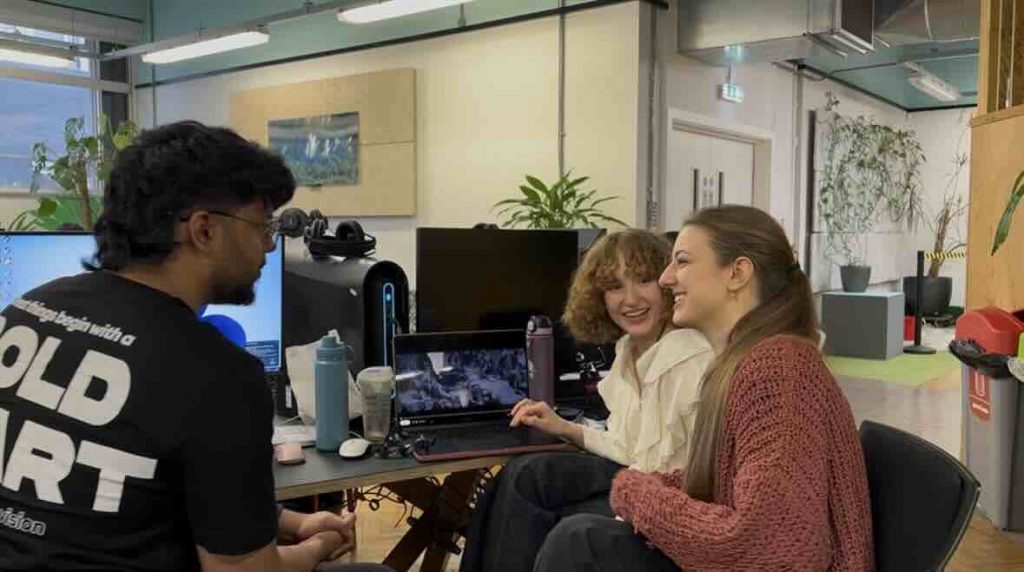
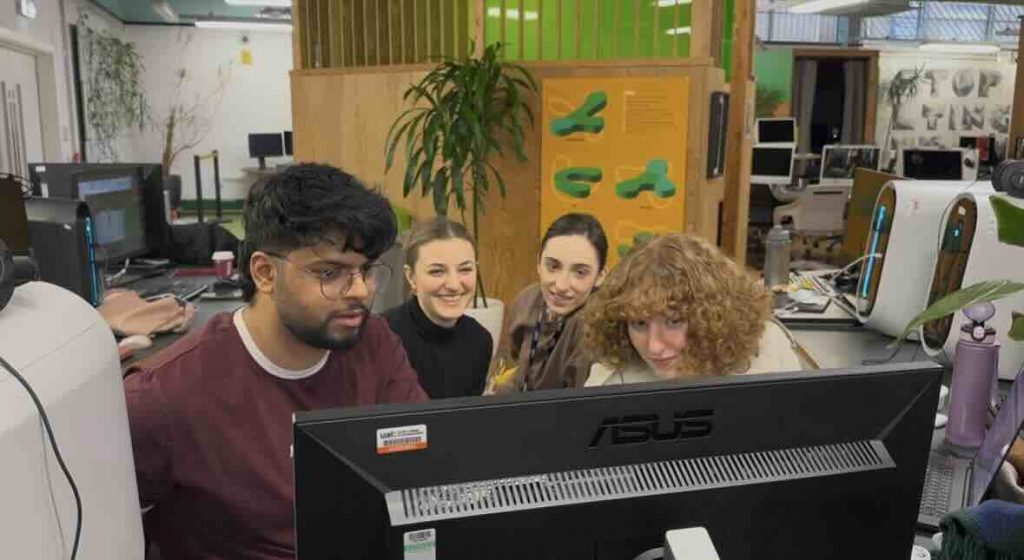
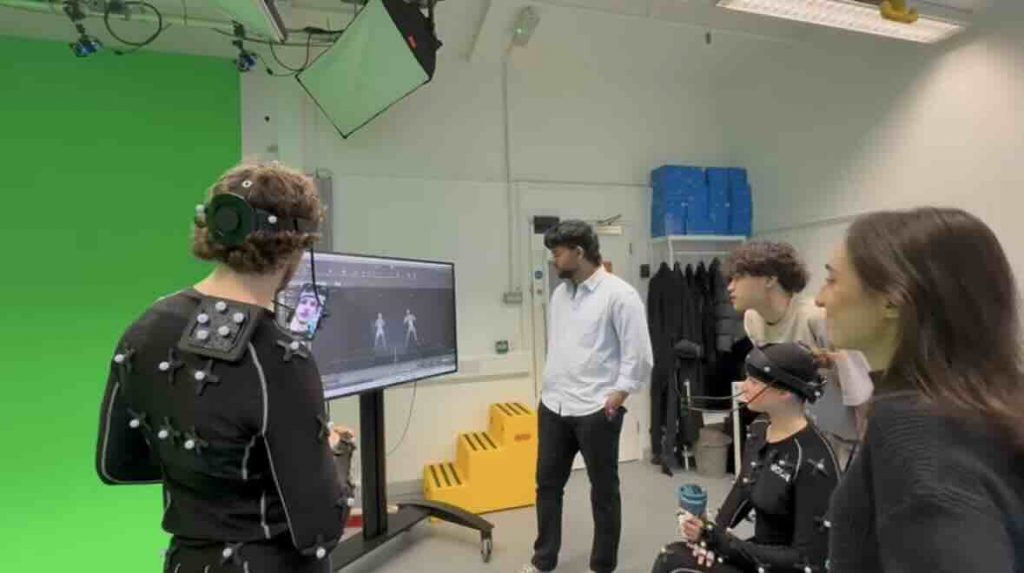
Throughout the production process, collaboration became one of the most important aspects of the project. We worked closely together during planning, environment creation, character development, and motion capture sessions. Documenting our collaboration and mocap process highlighted the amount of teamwork and communication involved in bringing the project to life. Although the process was challenging at times, it was also incredibly rewarding and became a valuable learning experience for all of us. Working together on such a large-scale production allowed us to strengthen both our technical and creative skills while gaining experience in managing a collaborative workflow.
Leave a Reply