Task 1 – Describe characters in Fight Club (1999)
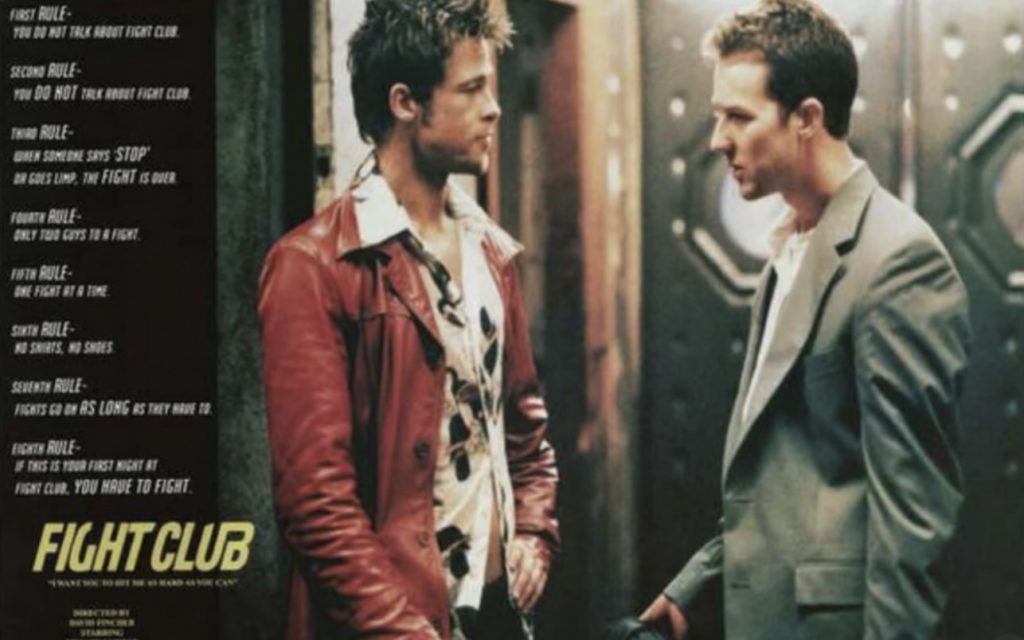
Chosen movie is Fight Club:
At first, as a woman, I found Fight Club extremely difficult to watch. It felt aggressive, alienating, and emotionally uncomfortable—something I struggled to relate to. However, even after it ended, I couldn’t stop thinking about it. The film lingered in my mind and gradually began to make more sense. I came to understand that the discomfort was intentional and part of its core message. Fight Club does not glorify violence—it exposes what happens when identity, vulnerability, and emotional expression are suppressed. With distance, I now see the bigger picture: it is a stark, critical examination of toxic masculinity and existential crisis in modern society.
Story Arc Breakdown – The 8 Stages
1. You – The narrator begins the story in a zone of comfort. He is a corporate employee suffering from chronic insomnia and emotional detachment. His life is repetitive, materialistic, and unfulfilling.
2. Need – He starts to feel that something is deeply wrong. He craves meaning and real human emotion. He begins attending support groups to feel something, even if it’s pain.
3. Go – After meeting Tyler Durden, a mysterious and confident soap salesman, he moves in with him. Together, they start Fight Club—an underground group where men fight as a form of emotional release.
4. Search – The narrator immerses himself in this new world. He finds community, adrenaline, and a sense of purpose. Fight Club grows into something much larger than he intended.
5. Find – He gets what he thought he wanted: freedom from his old self and a new identity through chaos and rebellion. However, this new life begins to spiral out of control.
6.Take – The cost of this freedom becomes clear. Project Mayhem, the extremist evolution of Fight Club, causes real destruction. The narrator realizes that Tyler has become dangerous.
7. Return – He tries to undo the damage and stop Tyler. He wants to return to some form of control and take responsibility for what has happened.
8. Change – In the end, he comes to a dramatic realization about his identity and takes action to reclaim his autonomy. The narrator is fundamentally changed by the journey he has taken.
Character Archetypes
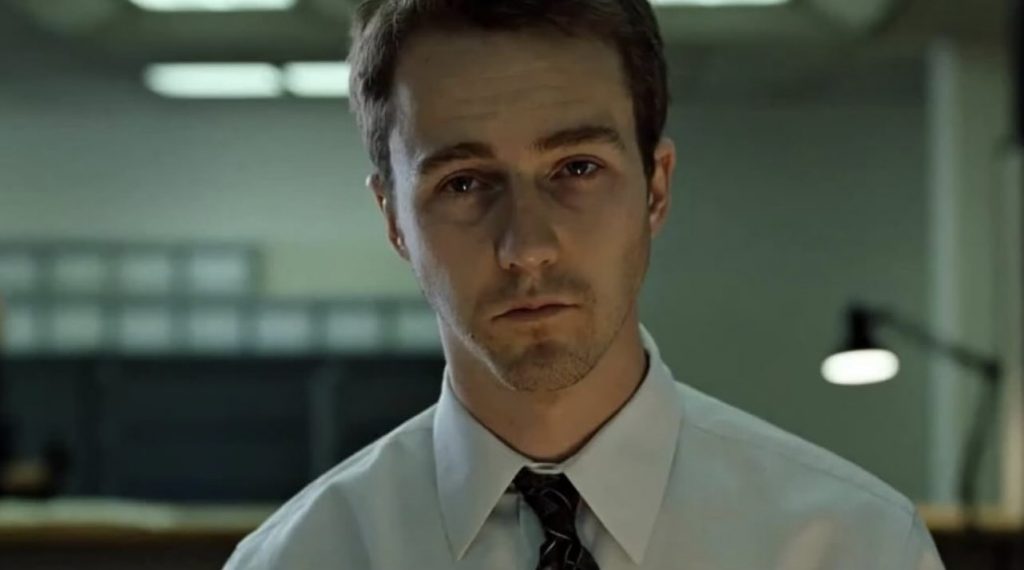
The Narrator (played by Edward Norton) – He is the protagonist and a “Seeker” archetype. His journey is driven by the desire to find truth and meaning beyond the superficial structure of his daily life. He is a dynamic character, meaning he undergoes significant change by the end of the story.
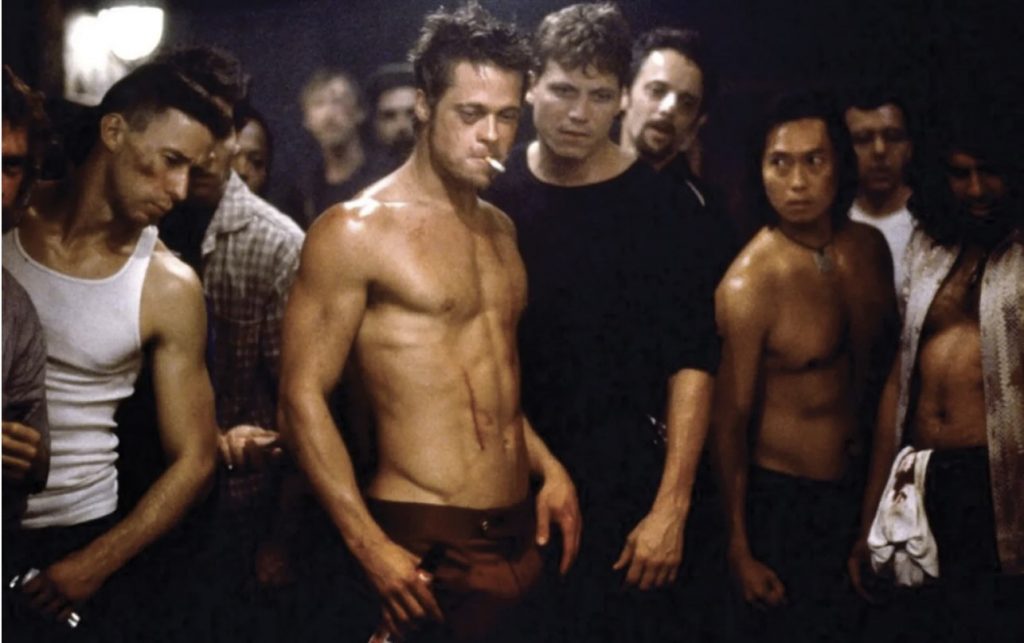
Tyler Durden (played by Brad Pitt) – He represents the Shadow archetype. Tyler embodies the narrator’s suppressed desires, including aggression, rebellion, and freedom. He acts as both an antagonist and a manifestation of the narrator’s inner conflict. Tyler is a static character, meaning he does not change—he is a constant symbol of chaos.
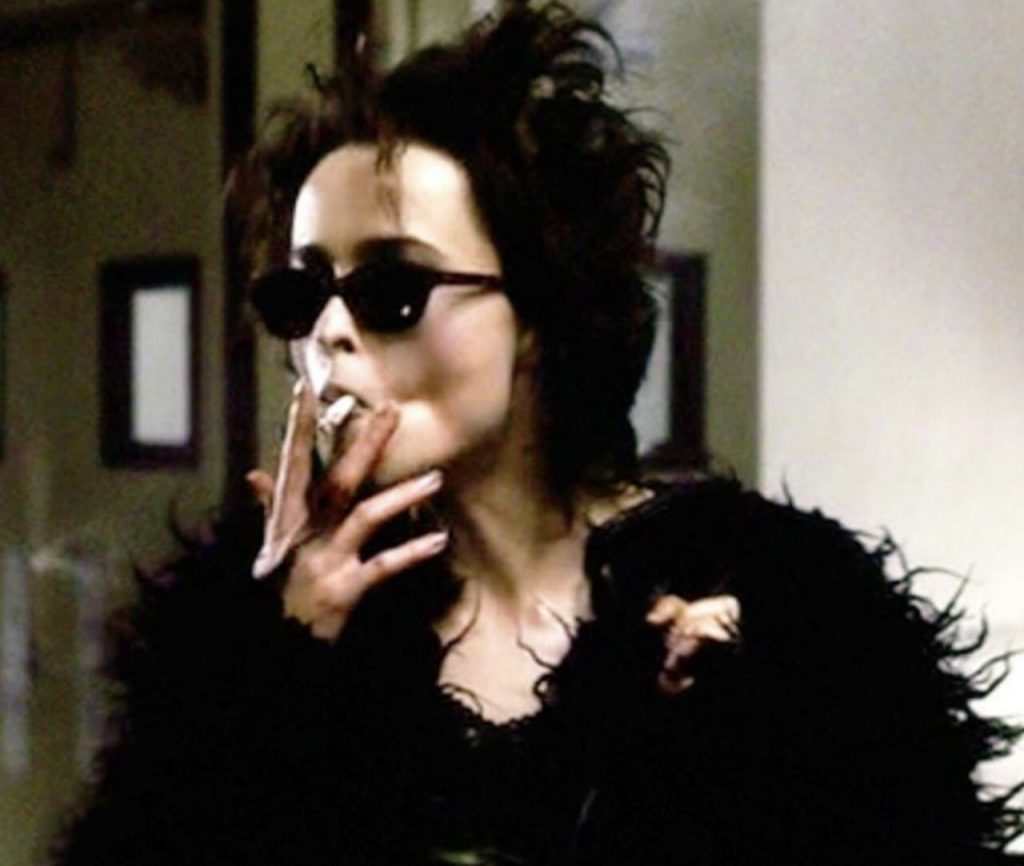
Marla Singer (played by Helena Bonham Carter) – Marla is the narrator’s love interest, but she also functions as a Trickster. She disrupts the narrator’s routine and reflects his emotional confusion. While her development is limited, she plays a key role in grounding the narrator in reality.
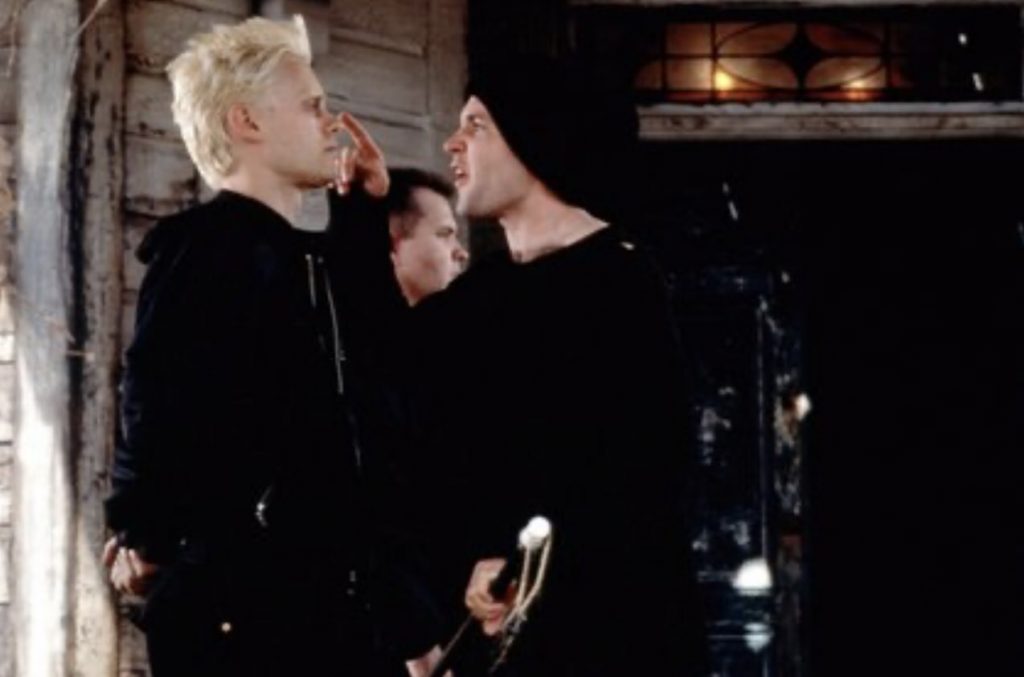
Project Mayhem Members (various actors) – These characters are symbolic of the loss of individuality. They serve as blind followers of Tyler’s philosophy, representing how easily people can lose their identities when seeking purpose through ideology or rebellion.
Timeline of the Narrator Before the Events of the Film (Interpretative)
Childhood to Teen Years (0–18):
The narrator likely grew up in a household shaped by emotional distance or instability—perhaps with divorced parents or a lack of consistent emotional support. His tendency to repress emotion and avoid confrontation suggests early experiences where vulnerability was neither safe nor encouraged. This interpretation helps explain his deep struggle with identity, connection, and self-expression in adulthood.
Young Adulthood (18–25):
He completes his education, likely studying something conventional and uninspiring—perhaps business, finance, or a similarly “safe” and soulless field—rather than following a genuine passion. He enters the corporate world and begins to shape his identity through job performance, brand loyalty, and material possessions, mistaking external success for emotional fulfillment.
Mid to Late 20s:
Despite appearing to lead a stable and successful life, he feels increasingly empty. The internal void becomes impossible to ignore. He develops chronic insomnia, unable to sleep or find rest, trapped in a cycle of emotional numbness and quiet desperation.
The Film Begins:
In a search for real feeling, he begins attending support groups for people with terminal illnesses—despite being perfectly healthy. These groups offer a rare sense of emotional release and human connection. However, this coping mechanism marks the collapse of his emotional defenses. Not long after, his alter ego, Tyler Durden, emerges—a psychological projection of everything he has suppressed: aggression, instinct, rebellion, and the need for meaning.
Virtual Production Essay Presentation
Leave a Reply