“Passing time”:
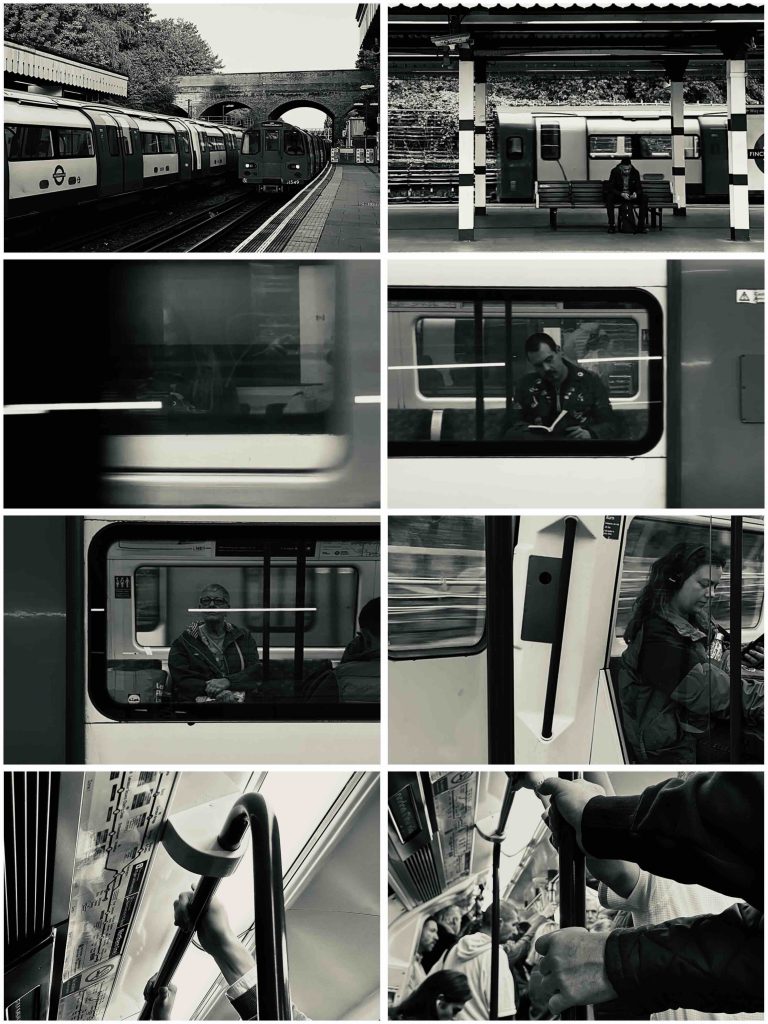
The first task in Nuke focused on creating either a short video or a still sequence that explored the idea of passing time. I chose the tube as my subject because it naturally captures movement, repetition, and moments of pause. The constant flow of trains, people waiting, and brief interactions felt like a quiet observation of everyday rhythm and rush. Working in black and white helped strip the images back and focus more on motion, framing, and atmosphere rather than colour.
Running man roto:
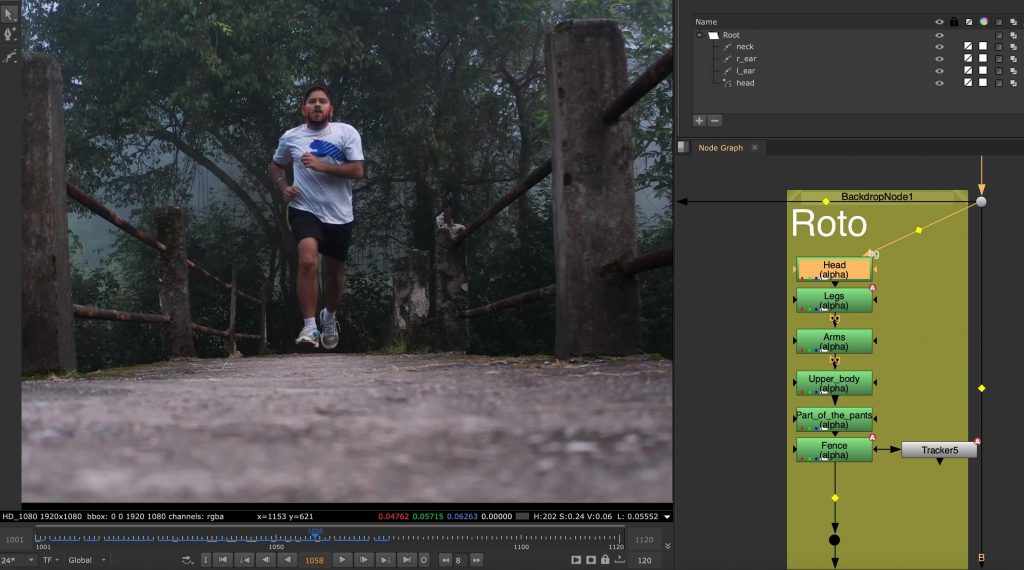
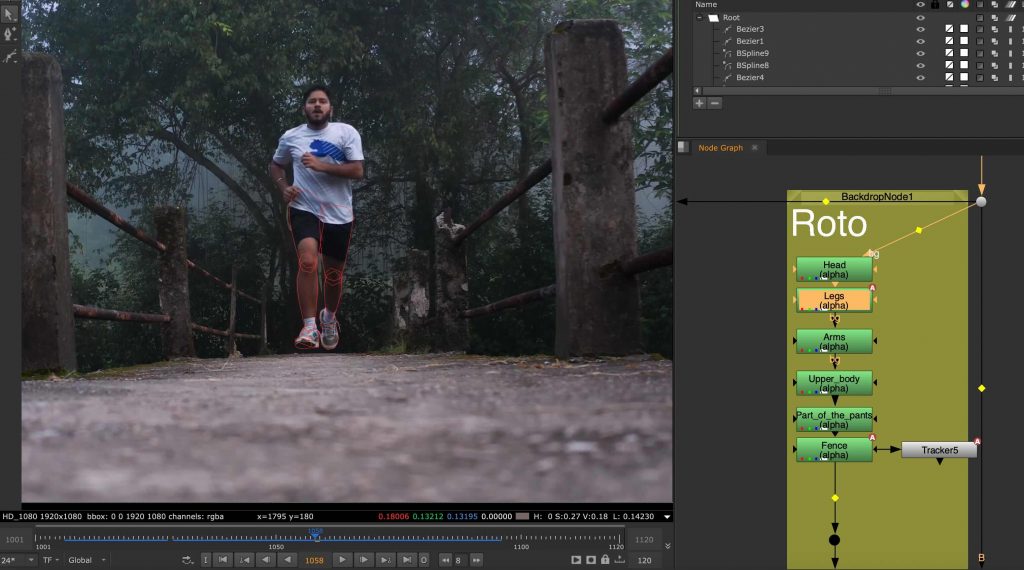
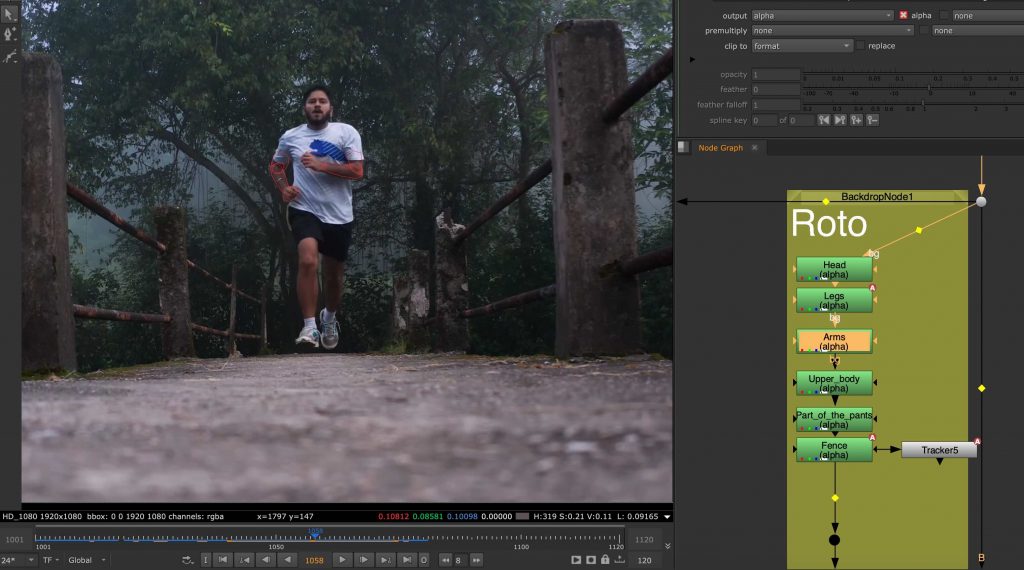
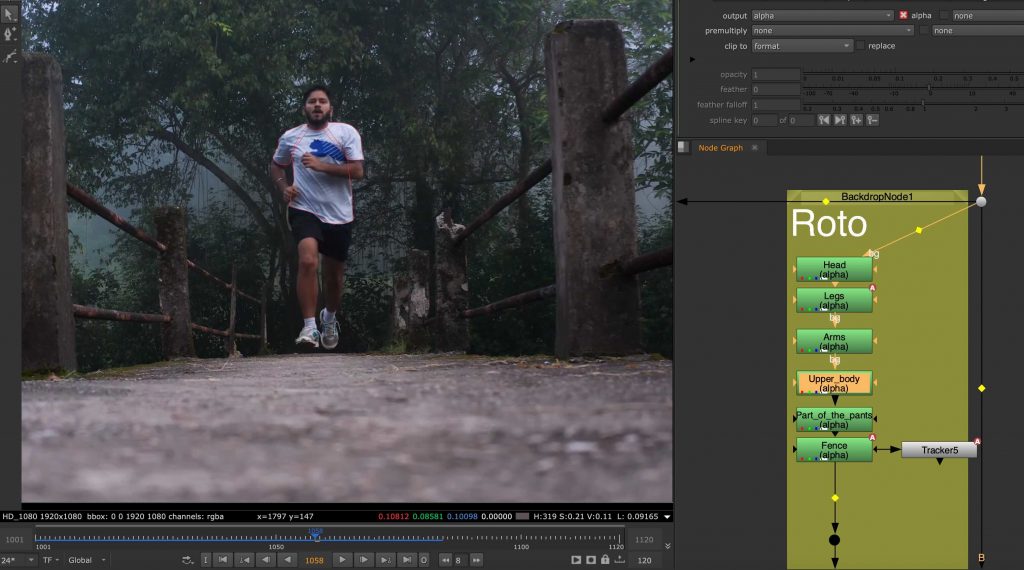
This was my first time rotoscoping and also my first real experience working in Nuke. The task involved isolating a running man from his background using roto shapes. I found this process extremely time-consuming and mentally demanding, as it required a lot of precision and patience. It took me around two weeks to complete, and even then I felt the result was far from perfect. This exercise made me realise how powerful but also intimidating Nuke can be, especially when approaching it for the first time.
The roto nodes:
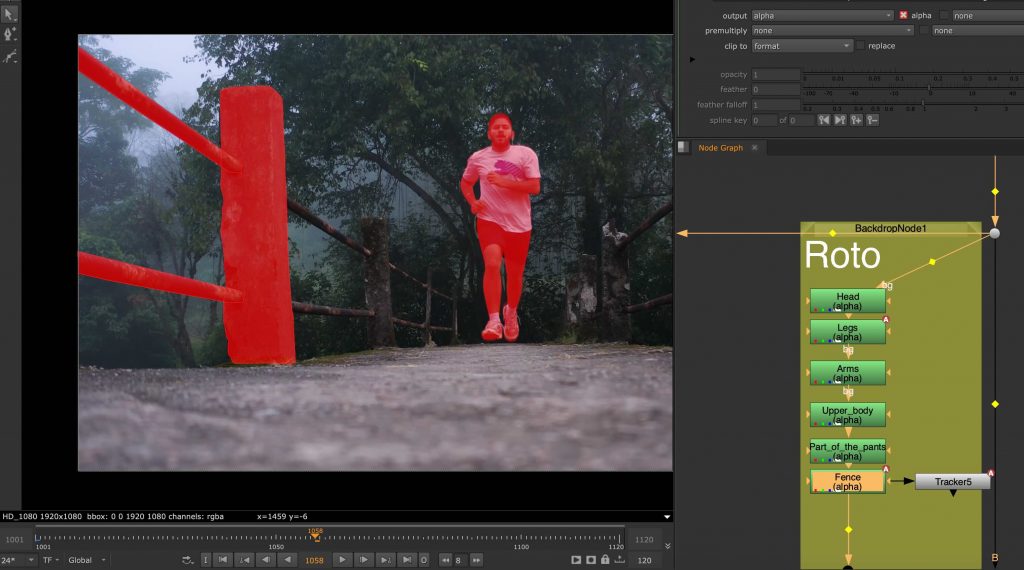
I split the roto into different body parts, and in some cases separated them even more. This approach made the task easier to handle and helped improve accuracy across the sequence.
Object Tracking and Integration
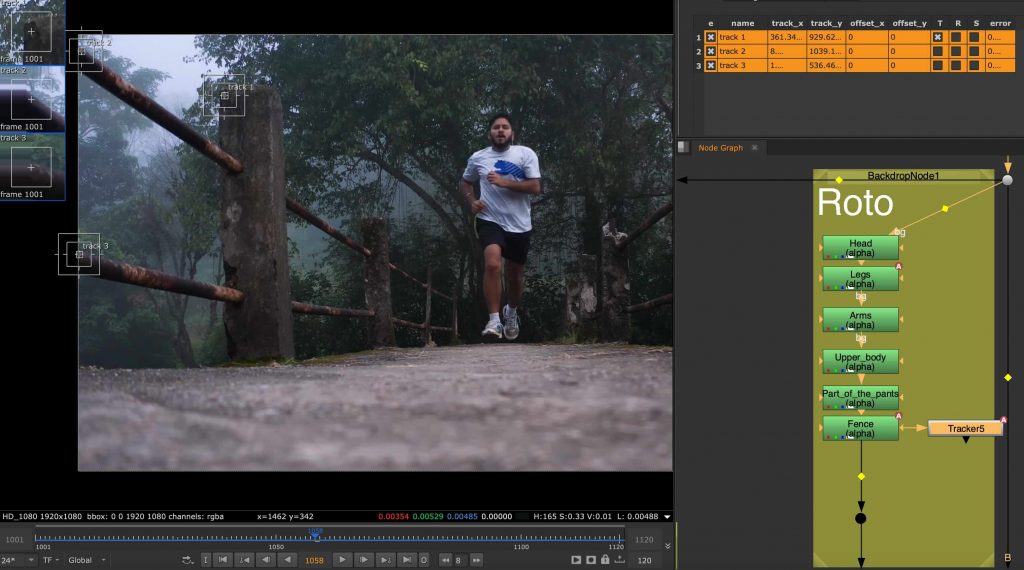
Following the roto, we worked on tracking static elements within footage, such as the columns beside the running man. This helped us understand how tracking data could be used to anchor elements into a scene and maintain consistency across frames. It was a useful step towards thinking more carefully about how live-action footage and digital elements can exist together in a believable way.
Landscape tracking:
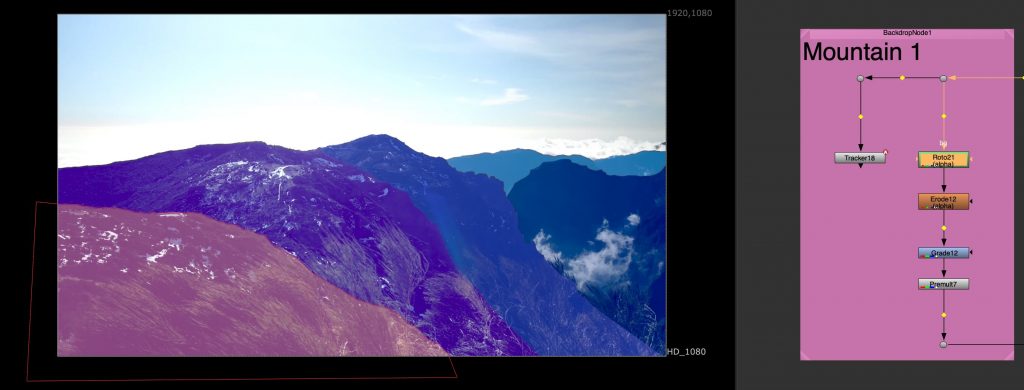
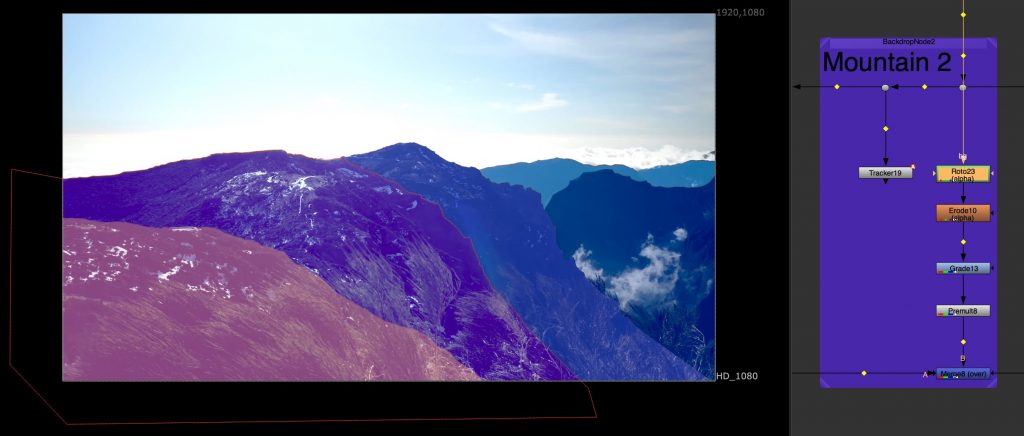
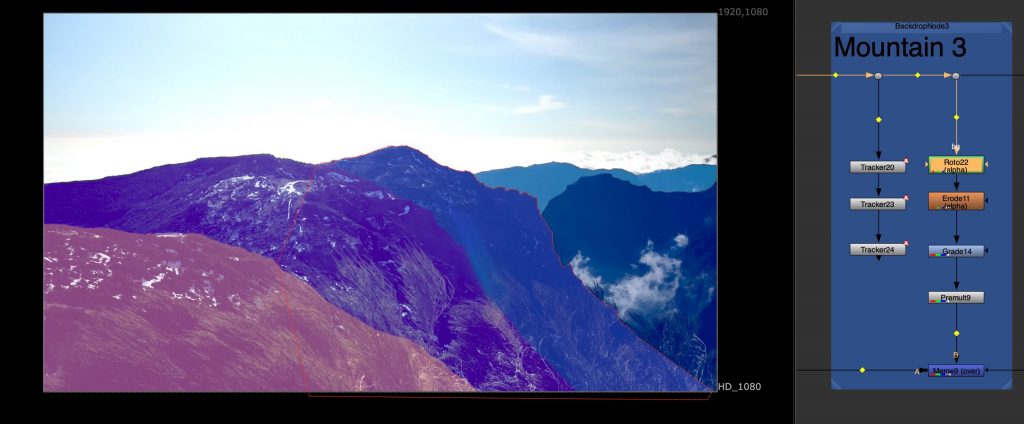
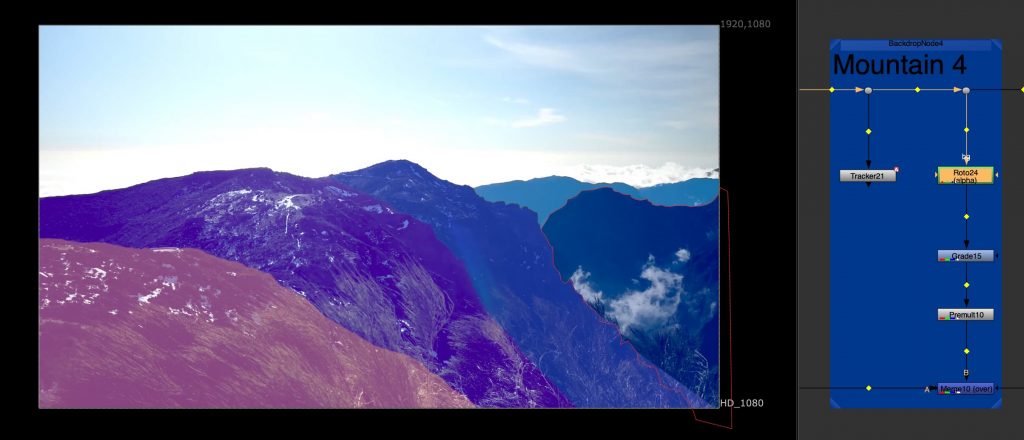
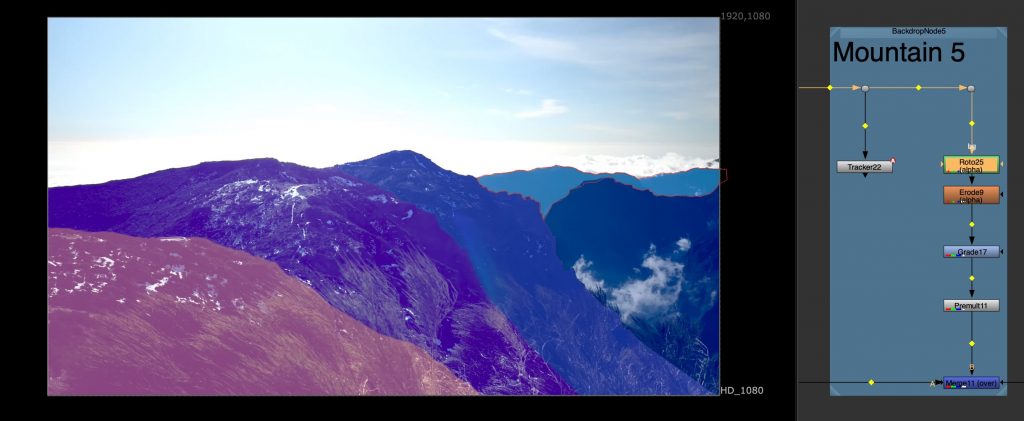
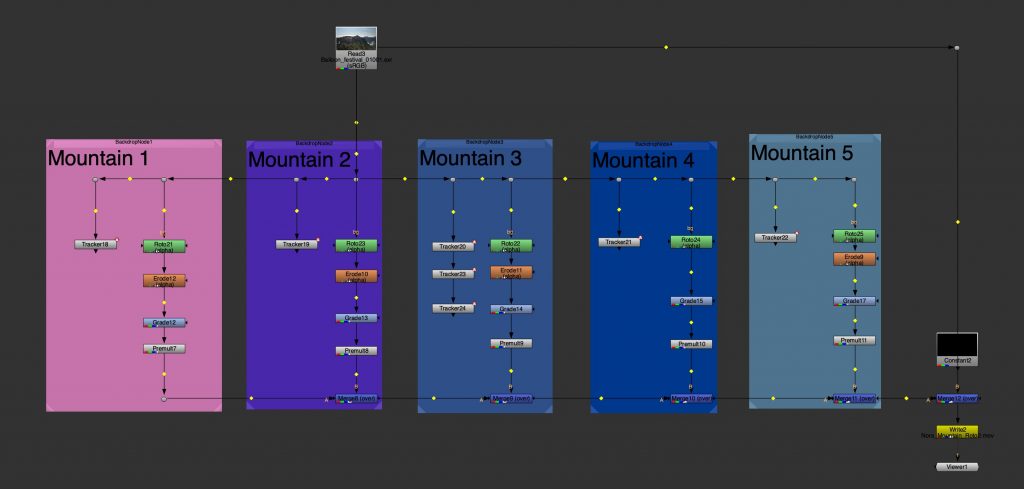
Another task involved tracking multiple mountain layers from aerial footage. Each mountain plane was treated separately, allowing us to understand depth and parallax within the scene. This exercise was done in preparation for a later balloon festival project and helped introduce a more structured node workflow, as well as a clearer understanding of how environments can be broken down into manageable layers.
Screen Interaction and Detail Work:
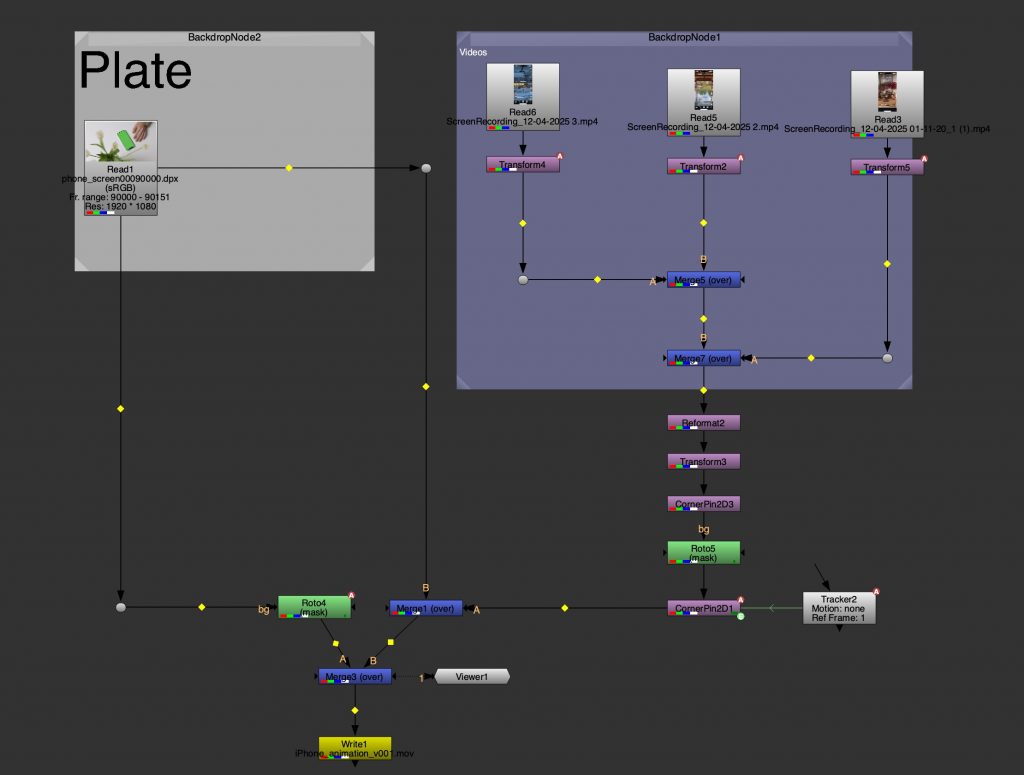
This task focused on combining tracking, animation, and rotoscoping in Nuke through a phone interaction shot. I worked on isolating the hand and fingers while compositing multiple pieces of content onto the phone screen, making them respond to the scrolling movement. The main aim was to ensure that the screen content felt naturally connected to the physical motion of the hand, rather than appearing static or overlaid. This required careful roto work, accurate tracking, and attention to timing so the interaction felt believable. The exercise brought together several techniques learned throughout the unit, including masking, layering, and compositing interactive elements within live-action footage.
Leave a Reply