For this project we worked on creating a visual effects scene involving hot air balloons integrated into a real footage landscape environment. The project focused on combining compositing techniques with images of 3D elements in order to create a believable final image that blended naturally with the original footage.
Concept and Moodboard:
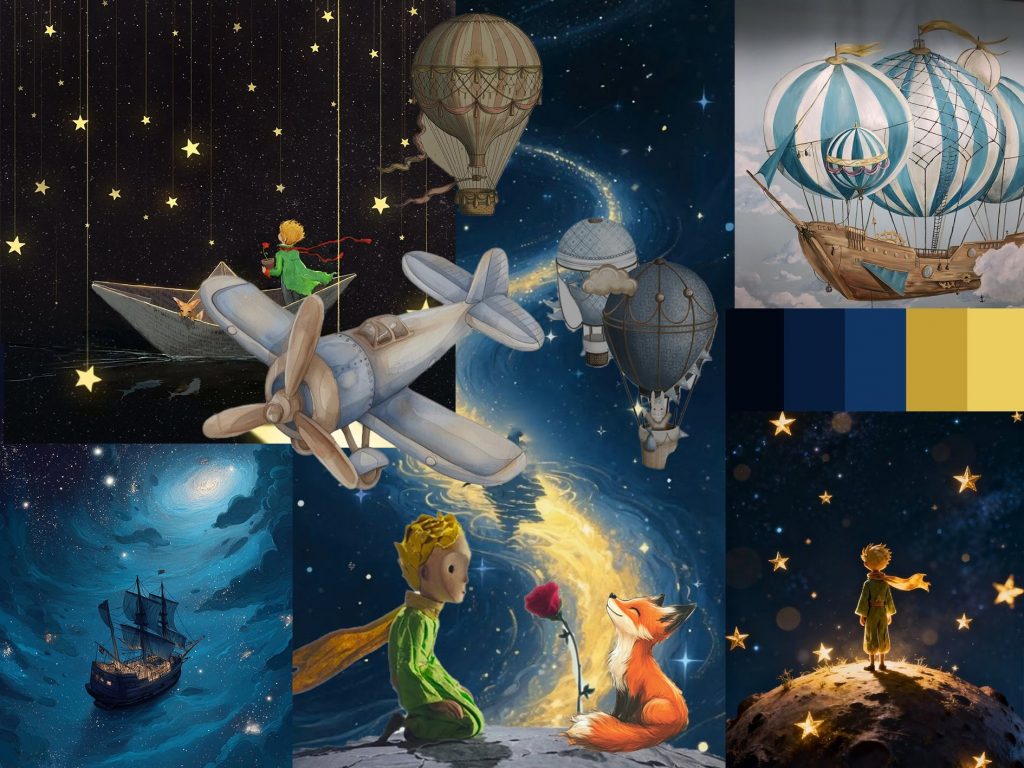
Before starting the technical work, we first developed moodboards to establish the visual direction of the project. This helped define the atmosphere, color palette, lighting references, and overall aesthetic we wanted the final scene to have. Gathering references at the beginning made it easier to maintain a consistent visual style throughout the project and gave a clearer idea of how the balloons should look within the environment.
Landscape tracking and rotoscoping:
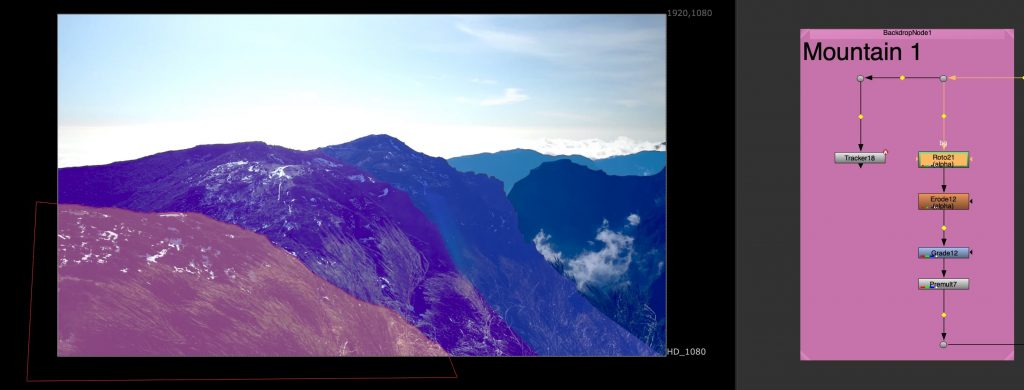
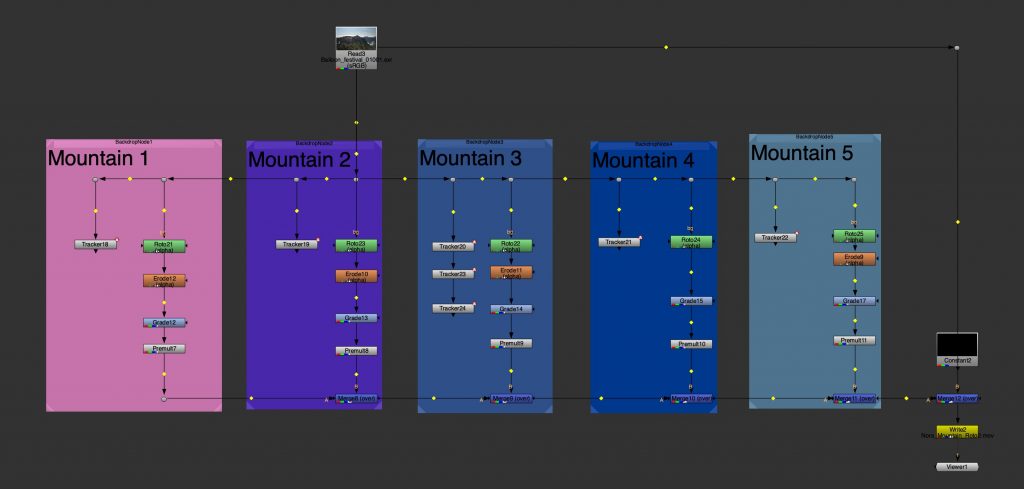
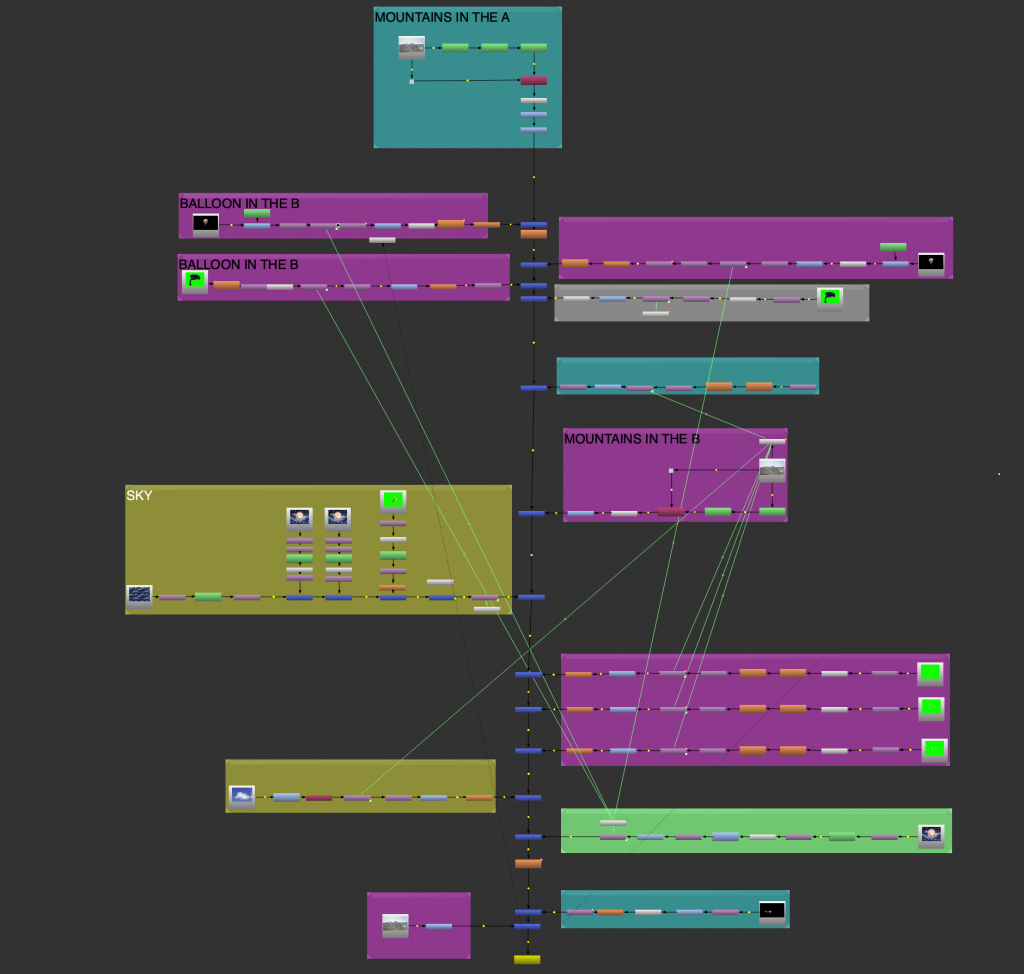
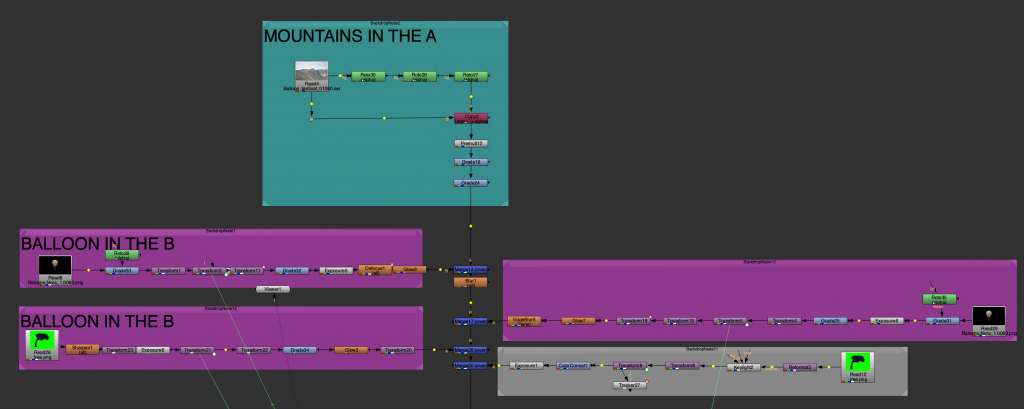
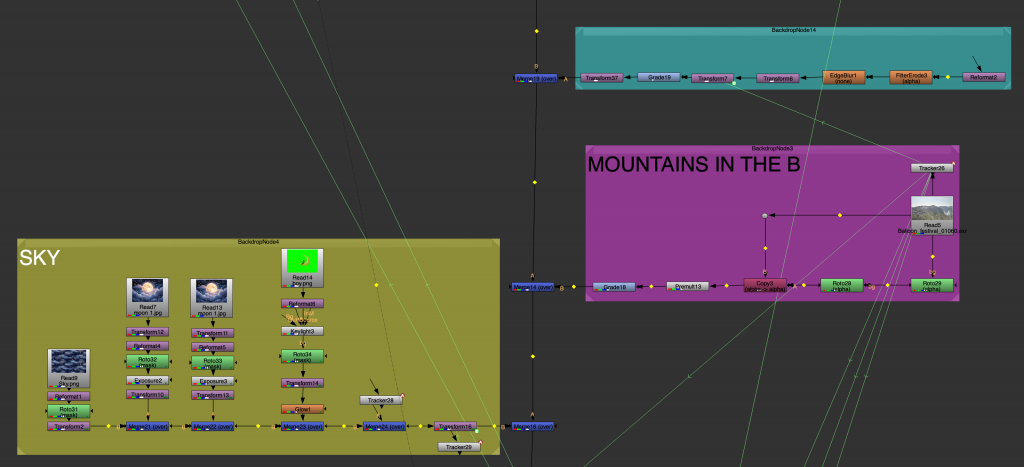
After planning the visual direction, we moved into the compositing preparation stage. One of the main tasks was rotoscoping the mountains from the footage and separating them into multiple layers. We divided the landscape into approximately four or five different mountain sections in order to create depth and allow the hot air balloons to move more naturally within the environment. By separating the mountains into layers, some balloons could appear behind certain parts of the landscape while others remained in front, helping create a stronger sense of space and perspective.
Modelling in Maya:
Once the environment was prepared, we began creating the hot air balloons in Autodesk Maya. We modelled the balloons and then textured them directly in Maya to give them visual detail and personality. This stage involved experimenting with colors, materials, and surface designs so each balloon would feel visually interesting while still fitting the atmosphere established in the moodboards.
Planning in Photoshop:
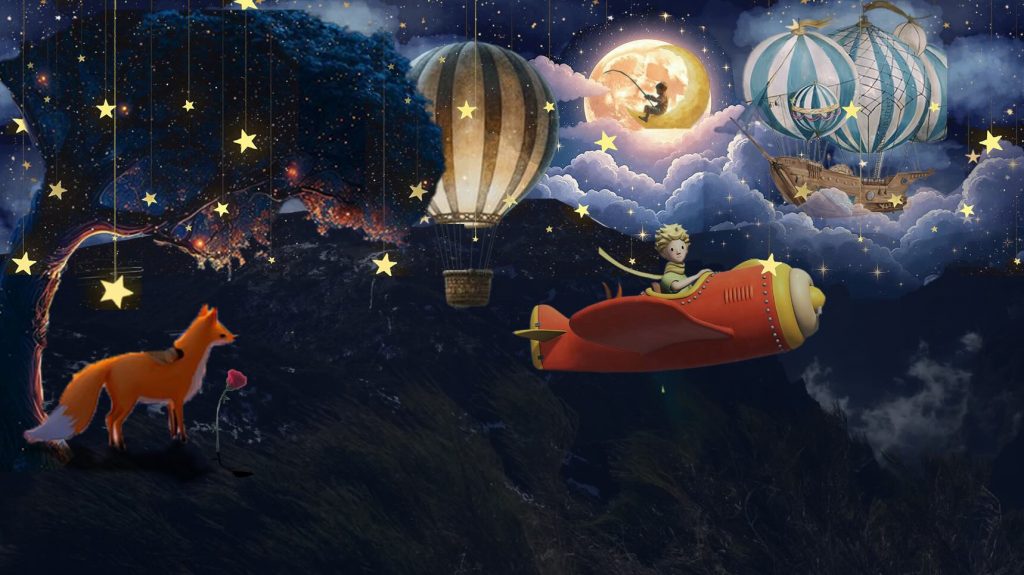
After modelling the balloons I created a 2D mock-up scene inPhotoshop using images of the environment and images of the balloon references. This allowed me to plan composition, scale, and placement before moving into Nuke. The mock-up helped visualise how the balloons would occupy the space, where key focal points would be positioned, and how depth and balance could be achieved within the frame. This also helped establish the colour and lighting and atmosphere.
Compositing in Nuke (Final Result):
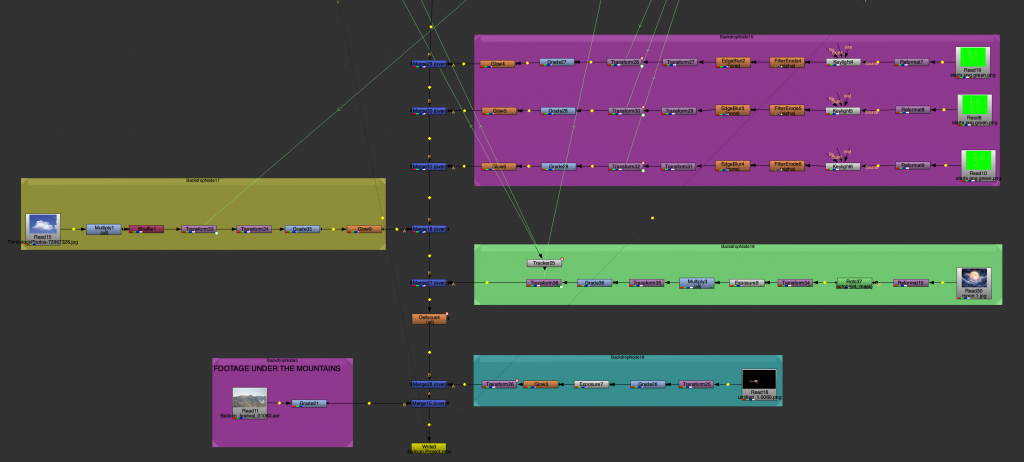
After completing the models and textures, we rendered the balloons in Maya and composited them into the original footage in Nuke. The compositing process involved carefully integrating the images of the 3D elements into the landscape so they matched the lighting, depth, and movement of the environment. Because the mountains had already been separated into layers, it was possible to place the balloons at different distances within the scene, making the composition feel more immersive and realistic.
This project combined planning, rotoscoping, 3D modeling, texturing, and compositing into a single workflow. It also demonstrated how important layering and depth are in visual effects work when trying to create realistic integration between 3D objects and live-action environments.
Leave a Reply